
Britain considers incentives for EVs with V2G — The Guardian
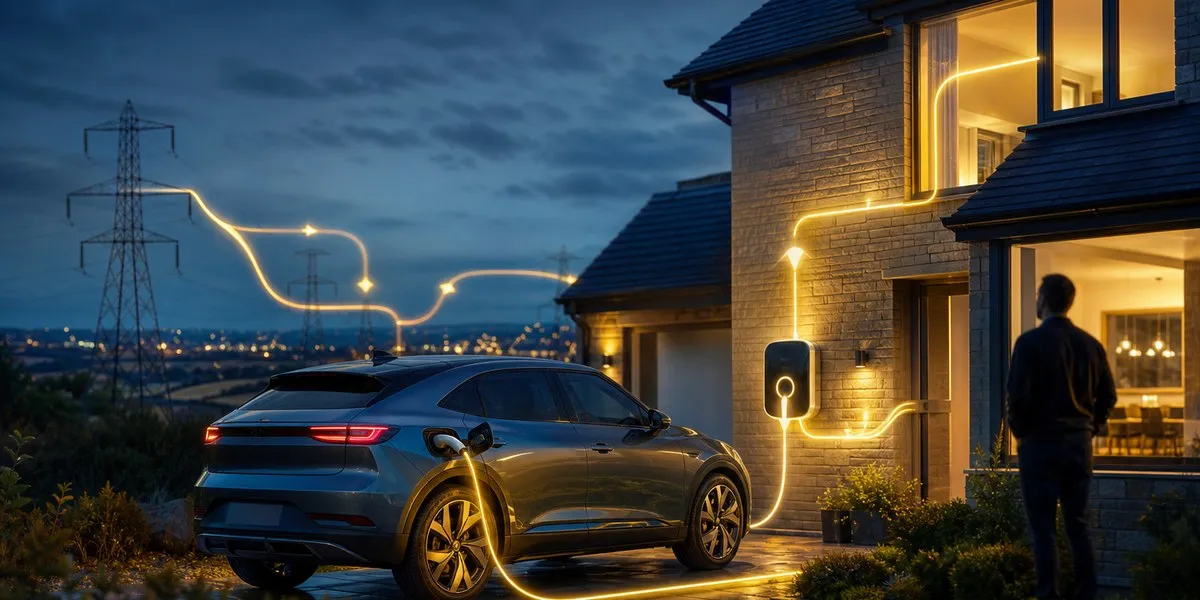
The UK government is considering introducing incentives for carmakers that install Vehicle-to-Grid (V2G) technology in electric vehicles. It makes it possible to charge cars automatically at night, when electricity is cheaper, and return part of the charge to the grid during peak-demand hours. This was reported by The Guardian.
Credits for manufacturers
The initiative is being examined as part of a review of the UK’s zero-emission vehicle, or ZEV, mandate. Under proposals set out in a government consultation, manufacturers could receive special credits for selling vehicles with V2G technology, also known as bidirectional charging.
Such a credit could allow a company to sell one additional petrol car without risking a penalty for failing to meet ZEV targets. At the same time, the government is preparing to reduce electric vehicle sales targets. Environmental groups fear that these changes could cause an additional 147 million tonnes of carbon emissions by 2050.
More current news is available on the UA.News Telegram channel Telegram.
Potential and cautions
V2G technology could reduce pressure on the power grid and the need to start expensive gas power plants during periods of low wind and solar generation. Vehicles can also supply electricity directly to their owner’s home through a Vehicle-to-Home arrangement.
Ben Nelms, head of the New AutoMotive think tank, said manufacturers should be rewarded only for the actual use of V2G, rather than merely for installing the equipment. According to him, one or two credits worth about £4,000 each could bring manufacturers thousands of pounds for equipment that costs a few hundred pounds, while few drivers have the required chargers.
According to the National Energy System Operator, once the technology becomes widespread, vehicles with V2G could potentially provide 1.2 GW of power on demand by 2030 — equivalent to a power plant. The operator forecasts that by 2050, this figure could rise to 41 GW, enough to cover more than a quarter of peak electricity demand in the UK.




