
Pennsylvania allocates $37m for 515 charging ports — Electrek
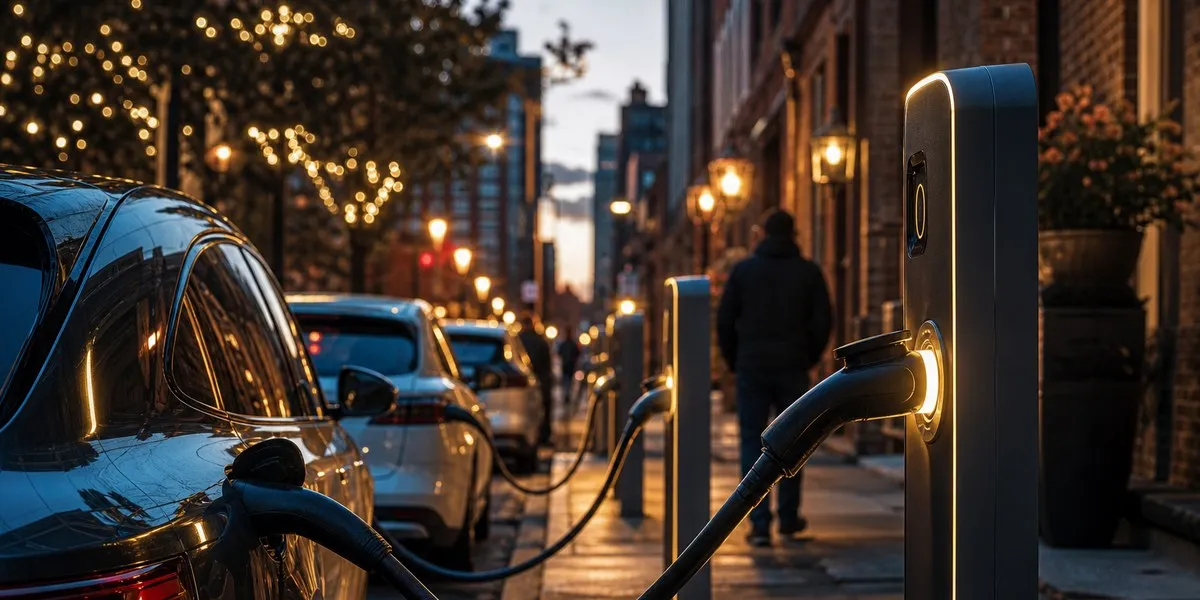
In the United States, Pennsylvania is directing $37 million in federal funding toward 515 new public electric vehicle charging ports in the Philadelphia region. The funds were allocated by the state transportation department, PennDOT, under the National Electric Vehicle Infrastructure program, Electrek reports.
The funding covers Bucks, Chester, Delaware, Montgomery and Philadelphia counties. According to PennDOT estimates, these projects will increase the availability of public charging in the region by 27% and in Philadelphia by 53%.
Charging near home
It’s Electric PA will receive $2.93 million to install 157 Level 2 curbside charging ports in 13 Philadelphia neighborhoods. Another 62 sidewalk charging ports in four suburban counties will be funded for Voltpost.
Funding is also allocated for DC fast charging. PositivEnergy will receive $7.2 million for 54 ports at 11 Philadelphia Parking Authority parking lots. Tesla received two awards of $392,000 each: eight ports each near Royal Farms in Broomall and Wawa in Plymouth Meeting.
More current news is available on the UA.News Telegram channel Telegram.
Federal program
The money is being provided through the NEVI program, created by the bipartisan infrastructure law under the administration of Joe Biden. Pennsylvania’s five-year funding total under this program is $171.5 million.
Initially, NEVI focused on fast-charging stations along designated highway corridors. After the Federal Highway Administration certifies that charging infrastructure requirements have been met on such routes, states can make broader use of the program’s funds. Pennsylvania received this certification on September 22, 2025.
According to Electrek, the state has already built 54 charging stations with NEVI funds — more than twice as many as any other U.S. state. In southeastern Pennsylvania, PennDOT announced 71 awards under a statewide public charging program with an estimated value of $100 million.
Environmental reviews for projects in the southeastern region are scheduled for November 2026 through January 2027. Agreements are expected to be concluded in January and February, after which construction and the commissioning of charging stations still have to take place.




