
US regulator asks Tesla about Cybercab’s compliance with safety standards
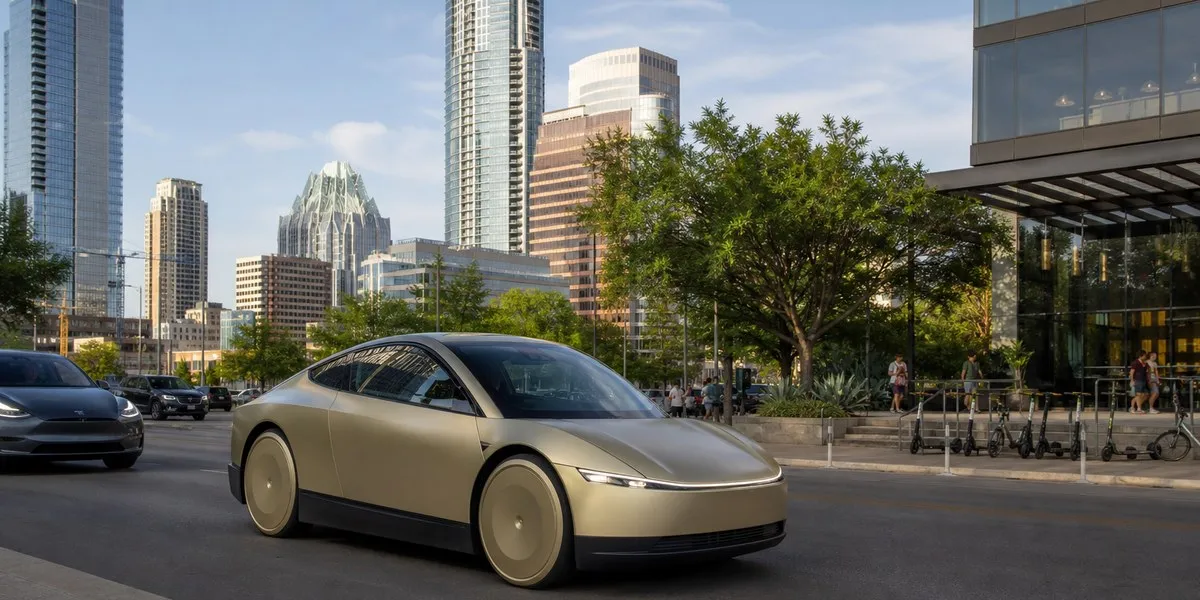
The US National Highway Traffic Safety Administration (NHTSA) has sent Tesla a list of questions about whether the Cybercab robotaxi complies with federal safety standards. The company must respond by September 30, InsideEVs reports.
Pedals, mirrors and signals
NHTSA wants to know how Tesla independently certified that Cybercab complies with the US Federal Motor Vehicle Safety Standards (FMVSS). In the United States, manufacturers self-certify their vehicles, although the regulator may review such decisions afterward.
Cybercab was designed for driverless operation, so the vehicle has no steering wheel or pedals. Among other things, the agency asked for an explanation of how the vehicle meets the requirement that service brakes must be activated by a foot control. According to the publication, Cybercab has electronically controlled brakes that can be operated by an autonomous system or a remote operator.
More current news is available on the UA.News Telegram channel Telegram.
What information NHTSA is requesting
The regulator also requested data on Cybercab’s level of automation under the SAE classification, the number of vehicles, and their current and planned operating locations. Tesla must describe the robotaxi’s operating conditions: weather restrictions, geographical boundaries, maximum speed and road environment.
The NHTSA letter raises questions about controls and indicators, transmission position display, turn signals, interior and exterior mirrors, as well as electronic stability control indicators. Separately, the agency asked about a turn-signal activation device that switches off automatically as a result of turning the steering wheel.
For driverless vehicles that do not comply with current requirements, companies may apply for a special exemption from the standards. As InsideEVs notes, annual limits are provided for such exemptions, while the US Department of Transportation is working to update rules for vehicles without traditional controls.


