
Thailand prepares higher excise tax on imported electric vehicles — Bangkok Post
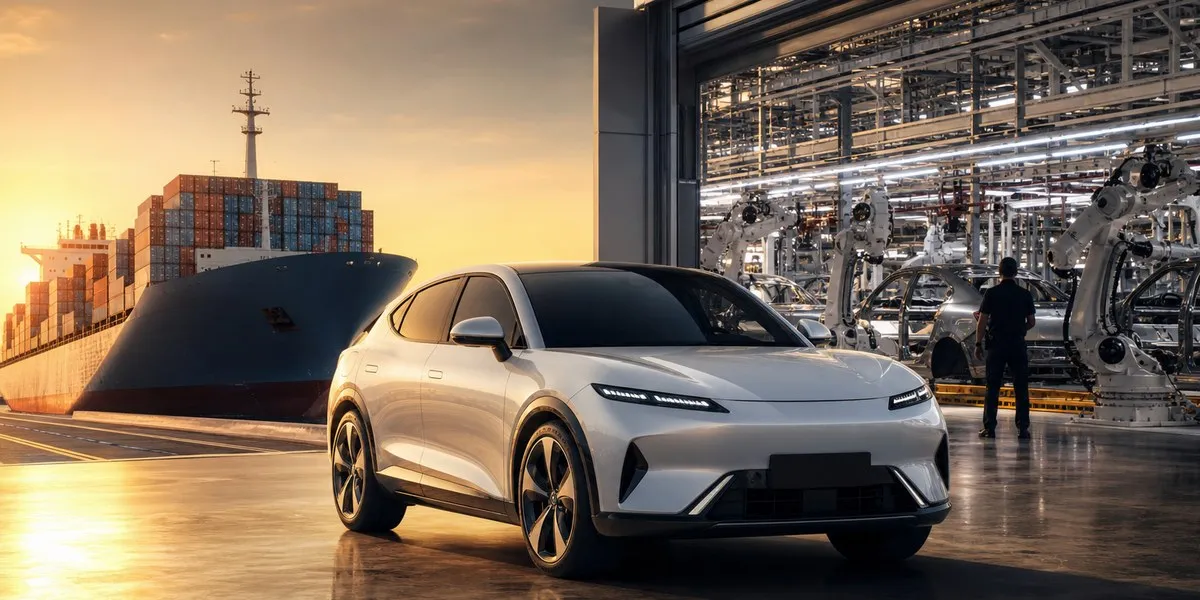
Thailand is preparing to raise the excise tax from January 1, 2027, on completely built-up electric vehicles imported into the country without a local manufacturing base. The rate currently stands at 10%, while the new tax rate has not yet been announced, Bangkok Post reports.
The rate will depend on localization
The Ministry of Finance seeks to encourage automakers to open facilities in Thailand, as well as protect investors who have already invested in local plants and supply chains. The authorities also expect to accelerate negotiations with companies that still rely on vehicle imports.
The new excise tax structure will provide for three tiers. The lowest rate will apply to manufacturers with facilities in Thailand that meet the Made in Thailand standard requirements. The second tier will apply to companies with local production that use imported components to a significant extent. The highest rate will be set for completely built-up imported vehicles without manufacturing facilities in the country.
More current news is available on the UA.News Telegram channel Telegram.
CO2 emissions criteria
Finance Ministry Permanent Secretary Lavaron Sangsnit said that the government will not set separate rates depending on the type of powertrain — for battery electric vehicles, hybrids, or extended-range electric vehicles. Instead, tax rates will be determined by a single criterion based primarily on CO2 emissions: vehicles with lower emissions will be eligible for lower excise tax.
Thailand also plans to revise the criteria for determining local product content in order to place greater emphasis on the use of parts produced within the country. Under current World Trade Organization rules, the 40% local content requirement has shortcomings, as profits, wages, water and electricity costs can be included in the calculation.
According to the publication, previous electric vehicle support programs helped persuade eight Chinese automakers to build plants in Thailand. Each such facility is designed for annual production of approximately 100,000 vehicles for the domestic market and export to right-hand-drive markets, including Malaysia, Japan, the United Kingdom, and Australia.




