
Tesla renames Full Self-Driving in Europe after German objections — Electrek
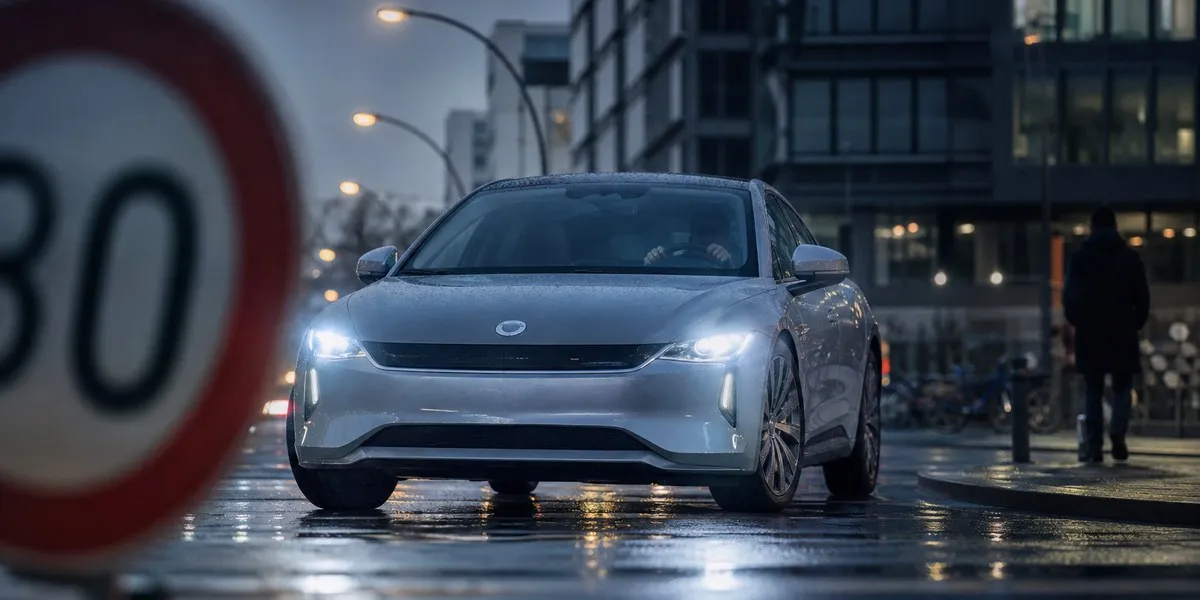
Tesla has renamed its Full Self-Driving driver-assistance package in Europe to Tesla Assisted Driving. The previous name is no longer mentioned on the company’s German website, while the old web address redirects users to the new product page, Electrek reports.
German ministry’s objections
Germany’s Federal Ministry of Transport said on October 6 that the name of the FSD system — Full Self-Driving Supervised — could be misleading because it does not take over full control of the car. According to the ministry, the driver must constantly watch the road and bears full responsibility for the vehicle.
According to the ministry, Tesla proposed the name Tesla Assisted Driving during September talks with Transport Minister Steffen Bilger. The renaming is part of agreements under which Germany will support the company’s efforts to obtain Europe-wide approval for the system.
More current news is available on the UA.News Telegram channel Telegram.
Conditions for EU approval
Germany also said that the system may exceed the established speed limit by no more than 10% and intends to support this position in the EU approval procedure. Tesla will need to change how the system operates for this purpose: Electrek notes that it often substantially exceeds the limit. According to Reuters, the version approved in the Netherlands can travel at speeds up to 50% above the recognized limit.
The new German Tesla page largely repeats the U.S. FSD page with the product name replaced. The company, in particular, still claims that the car can take the driver “almost anywhere” under their active supervision and with minimal intervention, and also calls the system seven times safer than human drivers. In a note, Tesla clarifies that this comparison is based on an estimate of the average rate in the United States.
Tesla’s website lists eight EU countries where the system is approved: the Netherlands, Lithuania, Estonia, Denmark, Belgium, Slovenia, the Czech Republic, and Croatia. Germany is not on this list. Europe-wide approval requires support from at least 15 of the EU’s 27 states, representing 65% of the bloc’s population.




