
Toyota proposes EU grant zero-emission status to certain cars — Motor1
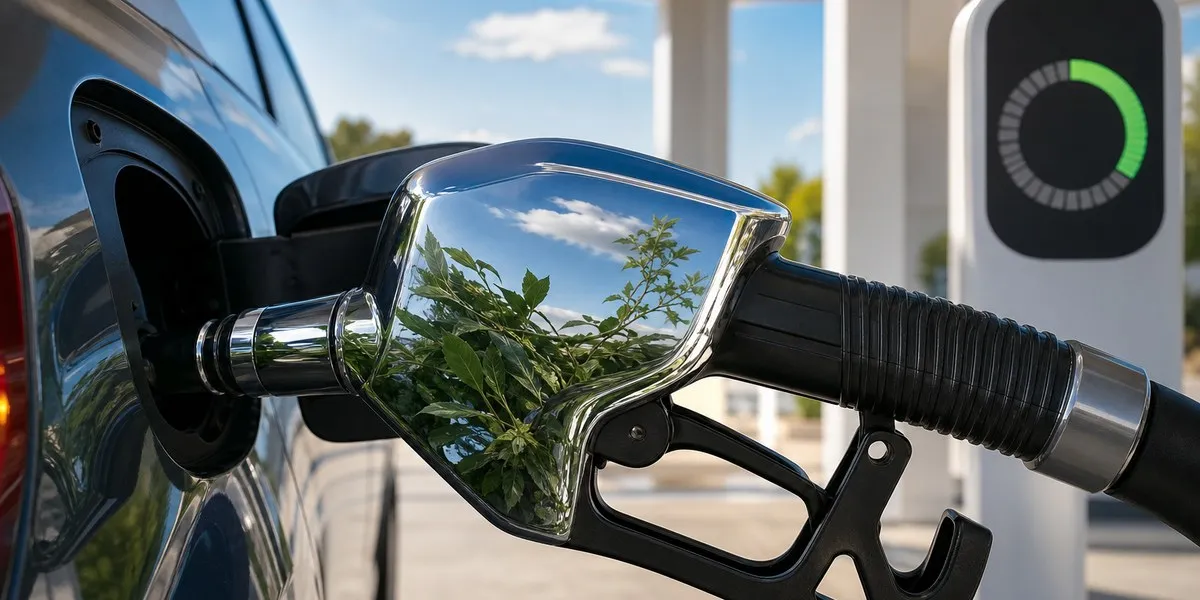
Toyota is proposing that the European Union grant zero-emission status to certain internal combustion engine vehicles if they run exclusively on approved renewable fuel. This concerns the VEEF category — vehicles that use only permitted renewable fuels, Motor1 reports.
Fuel instead of exhaust assessment
The automaker's proposal concerns cars specifically designed and manufactured to use such fuel. Possible types include fuel made from organic waste, biomass residues and synthetic e-fuel. Conventional gasoline cars that can be refueled at any filling station would not qualify for this status.
Toyota insists that emissions should be assessed throughout the fuel's full life cycle, rather than only by tailpipe indicators. At the same time, changing a vehicle's regulatory status would not mean an end to CO2 emissions from its exhaust.
More current news is available on the UA.News Telegram channel Telegram.
Trials in Spain
The company is also conducting a pilot project in Spain, which started in July 2026 and is expected to last six months. It involves around 20 Toyota, BMW and Mini vehicles using Repsol's 100% renewable Nexa 95 gasoline.
Project participants state that the fuel is compatible with existing engines and refueling infrastructure without mechanical modifications. Bosch provides digital verification through its Digital Fuel Twin system, which matches vehicle and fuel card data to confirm the use of renewable gasoline only. As of October 19, the trial results had not been published.
Current EU rules provide for a 100% reduction in CO2 emissions from fleets of new passenger cars and vans from 2035. According to the publication, the European Commission presented a legislative plan with a 90% reduction target that would allow manufacturers to offset part of the remaining emissions using appropriate fuel or low-carbon steel.




