
Zero unveiled Project Ventura for less than $8,000 — Electrek
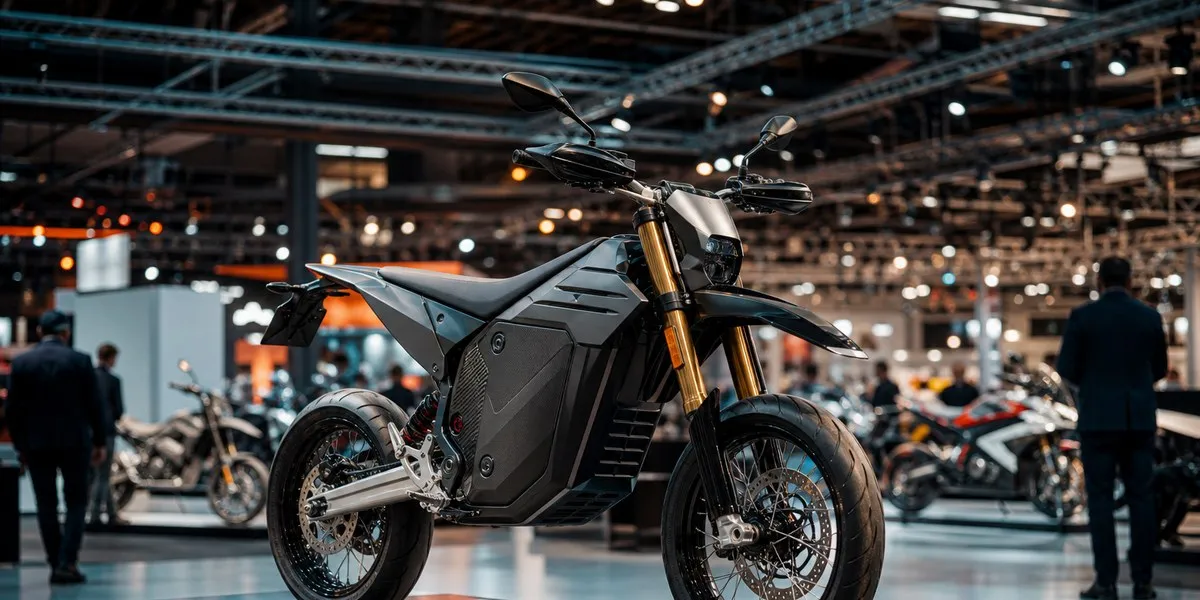
Zero Motorcycles unveiled Project Ventura, a new lightweight electric motorcycle with a target price of less than $8,000, at the EICMA 2026 exhibition in Milan, Italy. As Electrek reports, the model is expected to go on sale in summer 2027.
Project Ventura features a supermoto-style design, 17-inch wheels, and an upright riding position. The new powertrain produces more than 20 kW, or 27 hp. Its sustained top speed is 105 km/h, while its short-term top speed is 130 km/h. The company claims a range of up to 150 km in real-world conditions, but has not yet disclosed the battery capacity.
Road-legal version of the XE
Zero also announced a version of its XE electric off-road motorcycle certified for use on public roads. Previously, such a version of the model was available only in Europe, while American XEs were intended for off-road use.
The new XE is equipped with a headlight, taillight, centrally mounted instrument panel, a small windscreen, and dual-sport tires. The manufacturer revised the gear ratio to combine off-road capability with asphalt riding. The claimed top speed is 97 km/h. The model's starting price will be $6,295, with sales scheduled to begin in spring 2027.
More current news is available on the UA.News Telegram channel Telegram.
Scooter and fast charging
The LS3 electric scooter is expected to appear on the European market in spring 2027. It reaches up to 121 km/h and, according to Zero, can travel up to 150 km. Its 5.6 kWh battery system consists of three batteries, one of which can be removed from under the seat, freeing up space for belongings. The scooter will also receive heated grips and a heated seat.
The company is developing a new mobile app for the LS3, the 2027 Street and Dual Sport models, and Project Ventura. It will allow users to configure riding modes, regenerative braking settings, charging, and data display on the instrument panel.
Zero also plans to launch a DC fast-charging system for compatible Street and Dual Sport models in 2027. The company expects to charge batteries from 20% to 80% in less than 30 minutes. Europe will use the CCS connector, while North America will use NACS; an upgrade option is being developed for some existing motorcycles.




