
US startup sues Apple in India for ₹15 billion — TechCrunch
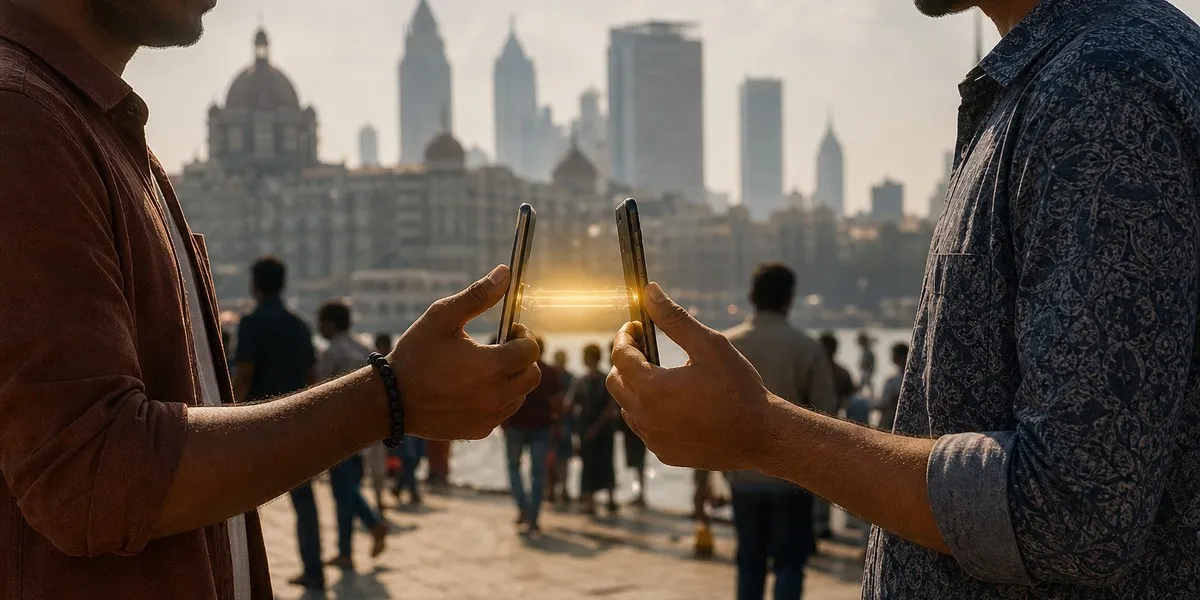
US startup GG Technologies has filed a lawsuit against Apple in the Bombay High Court in India, seeking 15 billion rupees in damages — about $161.86 million. The company claims that the NameDrop feature on iPhones infringes its Indian patent for exchanging contact data between devices located nearby.
Claims against Apple
As TechCrunch reports, GG Technologies is also asking the court to prohibit the use of NameDrop in India. The startup called for restrictions on the sale and import of iPhones and Apple Watches with the NameDrop feature preinstalled.
The lawsuit was filed in October after pre-litigation mediation, launched in April, ended without results in September. Such mediation is generally mandatory before filing commercial lawsuits in India. The case has not yet been scheduled for hearing.
Patent and the NameDrop feature
In its 781-page lawsuit, GG Technologies states that NameDrop infringes its patent for technology that enables phones to exchange contacts with nearby devices without manual pairing. The company developed the StayTouch app for exchanging contact data by bringing phones close together; it is available for iOS and Android.
More current news is available on the UA.News Telegram channel Telegram.
StayTouch was launched in 2019, when the company first applied for patent protection for the technology in the United States. An application for a patent in India was filed in 2021, and the patent was granted in July 2024.
Parallel case in the United States
Apple introduced NameDrop as part of iOS 17 in June 2023, and later that year the feature became available on iPhones. In October, support for it was added to compatible Apple Watches through watchOS 10.1.
GG Technologies also filed a lawsuit against Apple in the United States in April over related patent infringement claims. In August, the US International Trade Commission launched an investigation following the startup's complaint. The company is seeking a ruling that could block the import into the United States of Apple devices that it alleges infringe the patent, as well as restrict their sale. Apple did not respond to a request for comment.




