
Analysis of 57 studies links sleep disorders to reduced thalamus — ScienceDaily
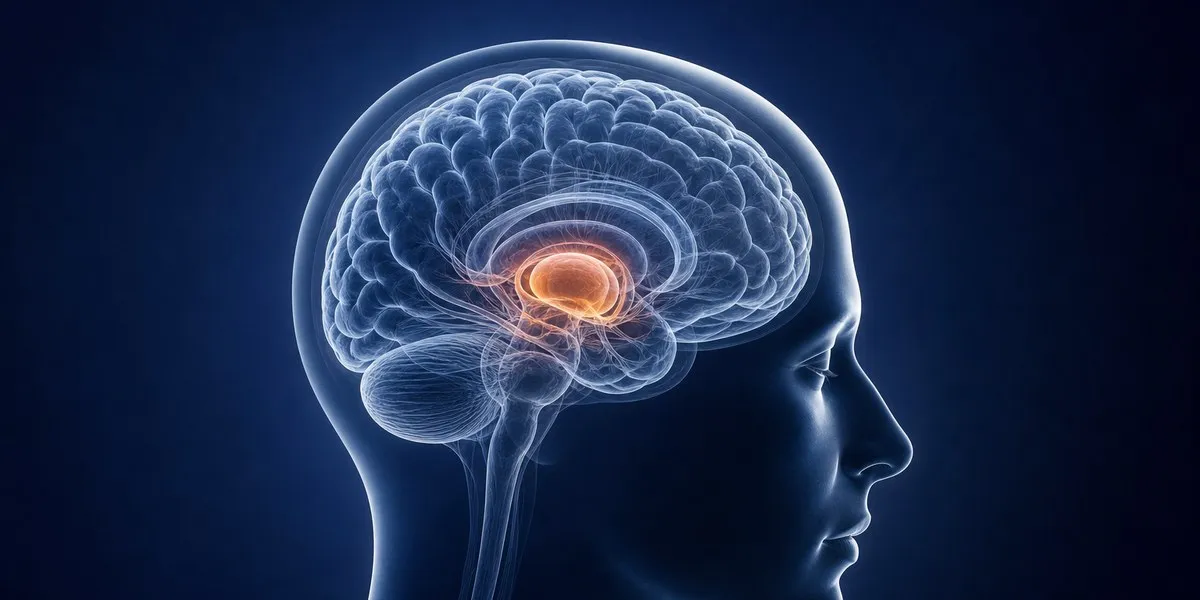
Researchers at Florida International University analyzed 57 neuroimaging studies of adults and found an association between various sleep disorders and structural differences in the brain. As ScienceDaily reports, the results were published in the journal Scientific Reports.
The scientists compared two broad groups of sleep disorders: dyssomnias and parasomnias. Dyssomnias included, among others, insomnia and sleep apnea — conditions that interfere with falling asleep, maintaining sleep, or full recovery. Parasomnias include sleepwalking, nightmare disorder, and night terrors, which are accompanied by unusual events or behavior during sleep.
Common changes in the thalamus
In both groups of disorders, the authors of the analysis found an association with a reduction in the thalamus, a deep brain structure involved in information processing, maintaining attention, and complex thinking. The changes also affected the pulvinar, a part of the thalamus that helps direct attention to important information and provides cognitive control.
More current news is available on the UA.News Telegram channel Telegram.
These areas are connected to larger brain networks that help people concentrate, make decisions, and respond to the environment. The researchers noted that differences in such systems may explain slower reactions, difficulties with decision-making, as well as a greater likelihood of errors or accidents in people with sleep disorders.
Differences in parasomnias
In people with parasomnias, the analysis also found changes in the posterior cingulate cortex, an area associated with motivation, decision-making, and emotion regulation. This may be linked to difficulties with mood, behavior, or emotional control that sometimes accompany sleepwalking, recurrent nightmares, and night terrors.
At the same time, the scientists did not identify a single consistent pattern of structural changes characteristic only of dyssomnias. The authors emphasized that the study established an association between sleep disorders and differences in brain structure, but does not prove a causal relationship. The team plans to separately study sleepwalking and rapid eye movement sleep behavior disorder.




