
Britain and EU plan to sign deal to simplify plant trade — The Guardian
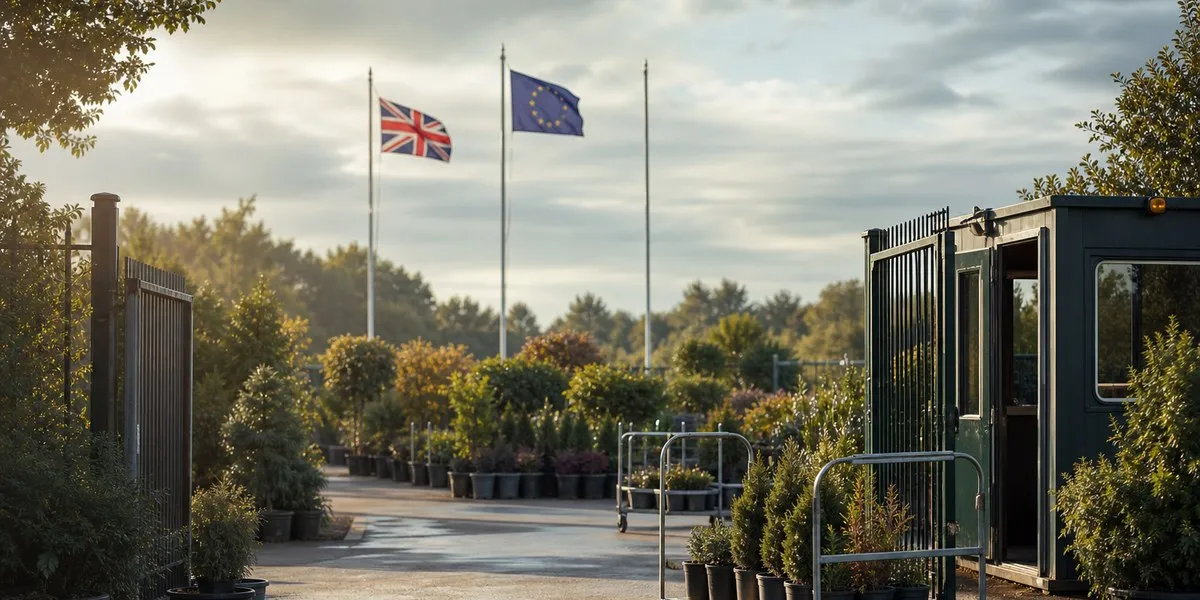
Great Britain and the European Union plan to sign a sanitary and phytosanitary agreement on November 20 that is intended to eliminate most physical checks, as well as most certificates and documentation for trade in food, plants and products of animal origin. According to The Guardian, Environment Minister Angela Eagle said this could eliminate around £60 million in annual costs for the British horticulture industry.
The parties largely agreed on the deal in May. Its implementation is expected no earlier than the first quarter of 2028, so companies will operate under the current border rules until then.
Costs after Brexit
After Great Britain left the EU, border controls were introduced for imports and exports of plants, food products and products of animal origin. According to calculations by the industry body Horticultural Trades Association, horticultural businesses spend £60 million annually on plant health checks, phytosanitary certificates, document and identity checks, port and agency fees, additional labor and transportation.
This estimate does not include penalties for delayed deliveries, lost sales due to port delays, or damage to goods. Eagle said that lower costs could create pressure to reduce food prices, but did not confirm that the deal would directly make food cheaper for consumers.
More current news is available on the UA.News Telegram channel Telegram.
Business investments
The new rules will not compensate businesses for funds already spent on adapting to post-Brexit controls. Wholesale nursery Provender Nurseries in Swanley, Kent, spent at least £500,000 building its own control point. The company also bought four electric forklifts to operate in a sealed building where it planned to inspect consignments of imported trees and shrubs.
Company head Richard McKenna said the business needs details of the deal, but he hopes it will persuade some European suppliers to resume exports to Great Britain. The industry association called for transitional easements, including reducing or abolishing checks on imports of lower-risk goods.
According to an analysis by the National Farmers' Union, exports of British food and drink to the EU have fallen by more than a third since Brexit. According to the data, producers of eggs, chicken and potatoes have been affected the most.




