
Study finds loss of 33,000 hectares of natural water bodies in the Amazon — Mongabay
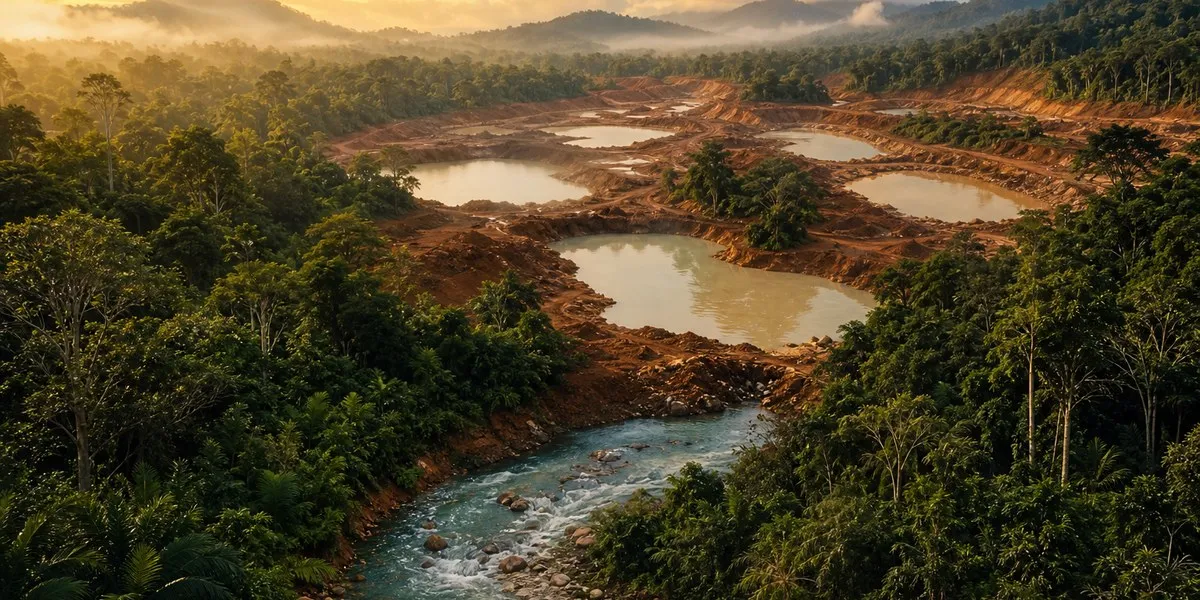
A study in the Beni River basin in Bolivia, the Caquetá River basin in Colombia, Madre de Dios in Peru, and the Caroní River basin in Venezuela found the loss of about 33,000 hectares of natural water bodies between 2000 and 2024. The authors analyzed 722 micro-watersheds, Mongabay reports.
A reduction in natural water resources was recorded in 393 of the 722 studied micro-watersheds. The largest losses occurred in the Caquetá watershed in Colombia, where livestock farming and associated deforestation were the main drivers.
Artificial water bodies after mining
In the Madre de Dios, Beni, and Caroní basins, where mineral extraction is carried out, researchers identified more than 17,000 hectares of new water bodies. Almost all of them are artificial and linked to mining activity. Such water bodies, including quarry ponds, may create a false impression that water reserves are increasing, although natural water bodies in these areas are shrinking.
More current news is available on the UA.News Telegram channel Telegram.
In 121 of the 722 micro-watersheds, natural water declined at the same time as artificial water bodies linked to extraction appeared. Separately, the authors found that 64 micro-watersheds or river sections where mining ponds appeared are located in Indigenous territories. About four out of every five hectares of such artificial water bodies are in Indigenous territories.
Impact on Indigenous communities
The studied areas are home to 74 Indigenous groups living in 202 territories. Residents of the Arasaire community in the Peruvian Amazon said they are forced to buy drinking water because of pollution in the Inambari River. Representatives of the Koreguaje people in Colombia's Jacome reserve link the reduction in available water to the expansion of pastures and forest clearing.
Scientists involved in the project concluded that deforestation is most closely associated with the appearance of artificial water bodies and may explain at least 30% of the variation in such water bodies. They also noted that forest clearing contributes to the further spread of other types of economic activity.




