
Iran reports execution of three detained during protests — Al Jazeera
In Iran, the judiciary reported the execution of three young men who were detained during nationwide protests in January. According to the authorities, they were executed for allegedly attacking government institutions and damaging property near Tehran on behalf of the United States and Israel. Al Jazeera reports on the tightening of domestic controls in the country.
Punishment for protests
Iranian authorities call the anti-government demonstrations an attempted coup which, they claim, was organized by “terrorists” linked to the United States and Israel. At the same time, the independent UN fact-finding mission concluded that authorities committed crimes against humanity during the violent crackdown on the protests. Human rights organizations reported thousands of deaths, mostly on the nights of January 8 and 9.
The Norwegian human rights organization Hengaw reported that at least 79 political or religious prisoners have been executed in Iran since the beginning of the year, including 40 people detained during the January protests. Some people were executed after being sentenced for espionage. Foreign human rights organizations also point to allegations of torture, forced confessions and violations of the right to a fair trial in political cases that ended in executions.
More current news is available on the UA.News Telegram channel Telegram.
Control over public space
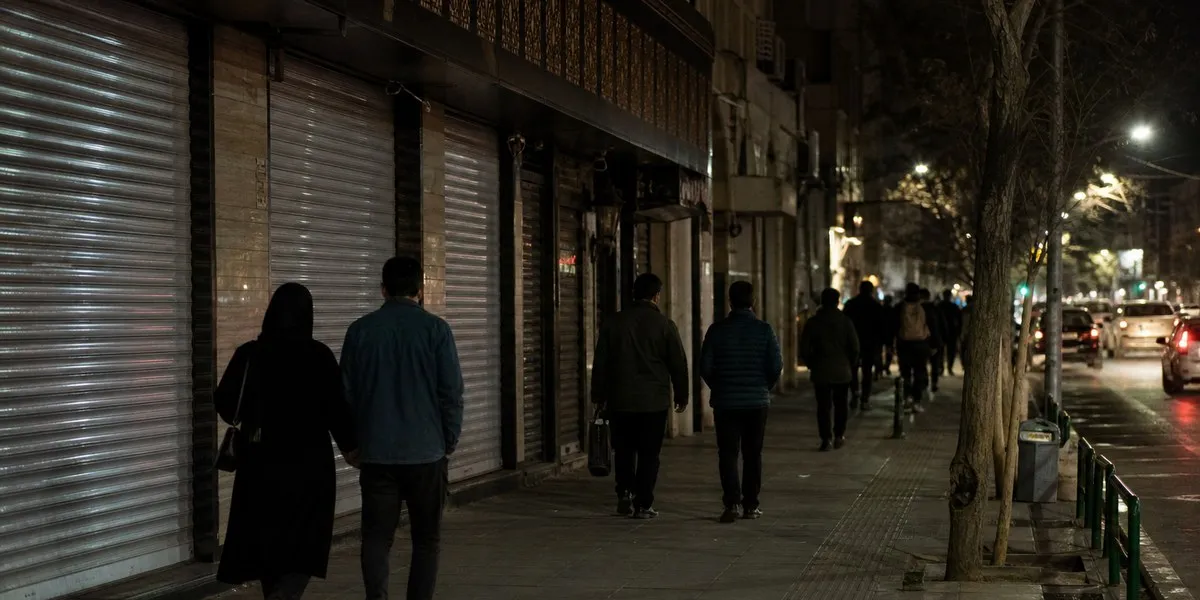
Amid the war with the United States and the threat of new strikes, Iranian authorities are tightening control in public places. On October 30, hundreds of people, mostly members of Generation Z, gathered at cafés on Iranshahr Street in Tehran, celebrating Halloween in costumes and makeup. A few hours later, motorcyclists and plainclothes security personnel dispersed the people and shut the establishments; detentions and assaults were reported.
Later, pro-government stations were set up on the same street, where supporters chant “revolutionary” slogans and wave flags. Participants in the Janfada, or “Self-sacrifice,” campaign receive weapons-handling training and other support there for service in the Basij, the internal paramilitary formation of the Islamic Revolutionary Guard Corps. Police also criticized youth gatherings on Iranshahr and Sanaei streets and have closed cafés and other establishments in recent months.
The authorities continue to monitor compliance with the mandatory dress code, although after the 2022–2023 protests linked to the death of Mahsa Amini, more and more women in Tehran and other cities have appeared in public without headscarves. Hossein Shariatmadari, a representative of conservative media, called non-compliance with hijab requirements one of the “enemy’s” tools in a future war.




