
Canadian officials do not expect deal with US before elections — CBC
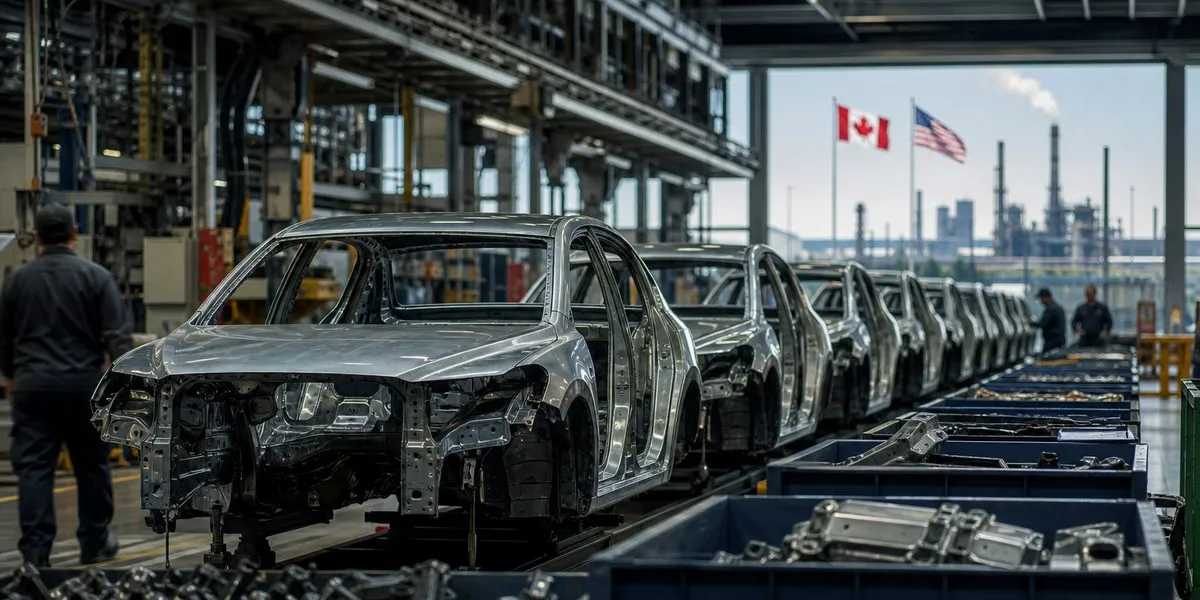
Canadian officials have told industry representatives that they do not expect a trade agreement with the United States to be concluded before the November 3 midterm elections. This was reported by CBC, citing three sources familiar with the situation.
According to the outlet's sources, there is currently no substantive engagement in the negotiations, although officials from both countries remain in contact. The sources also said that the White House is focused on the election campaign, while US President Donald Trump spends much of his time travelling and attending rallies.
Expectations regarding the elections
Brian Clow, former deputy chief of staff to Canadian Prime Minister Justin Trudeau, said that there had previously been hopes in certain Canadian government and business circles for an agreement before the US vote. However, he said, that possibility has now effectively disappeared.
Clow believes that even if Democrats take control of the House of Representatives or the Senate, it will have only a limited effect for Canada. He explained that Trump will still be able to use executive orders, as well as mechanisms of the Department of Commerce and the Office of the United States Trade Representative, to impose tariffs.
More current news is available on the UA.News Telegram channel Telegram.
Risk of new tariffs
After trade negotiations collapsed in August, Trump said on Truth Social that tariffs on all cars, trucks, auto parts and steel would be raised to 50% starting January 1, 2027. US Trade Representative Jamieson Greer did not provide details on the status of these possible duties.
At the G20 trade ministers' summit in Milwaukee, Greer rejected claims that Canada is a separate target of US tariff policy, describing the duties as part of the country's domestic economic policy. Flavio Volpe, president of the Automotive Parts Manufacturers' Association, said that Canadian industry had not seen the legal documents required to put the new tariffs into effect.
Volpe suggested that tariffs on Canadian auto parts could disrupt US auto production because of its dependence on supplies. At the same time, he did not rule out the introduction of higher tariffs on cars and steel.




