
Kenyan farmer builds greenhouse for 600,000 cabbage seedlings — Nation Kenya
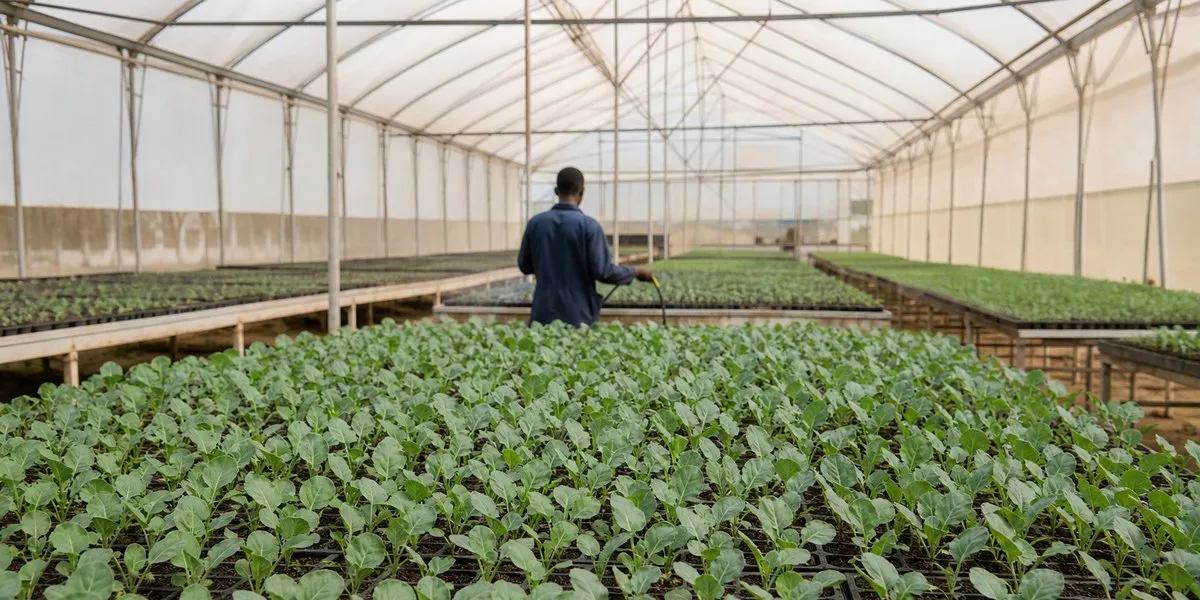
In Molo, Nakuru County, Kenya, farmer Wangari Ndungu has built a second greenhouse for growing cabbage seedlings. The 15-by-30-metre structure holds 3,000 trays and is designed for 600,000 seedlings. This was reported by Nation Kenya.
From potatoes to seedlings
After graduating from Chuka University in 2018, Ndungu worked for three years as a business development specialist at construction companies in Kenya and abroad. In 2023, she purchased certified potato planting material and began growing it on two acres of land. The following season, the area was expanded to eight acres, and later the farmer switched to growing cabbage seedlings.
In 2024, she invested 480,000 Kenyan shillings in her first greenhouse, measuring 15 metres long and eight metres wide. It holds 480 trays with a maximum capacity of 100,000 seedlings. Ndungu spent the remaining funds on seeds and empty trays, which cost between 85 and 100 Kenyan shillings per unit.
More current news is available on the UA.News Telegram channel Telegram.
Care and sales
The seeds are sown in trays filled with coconut substrate. Before being moved to the greenhouse, the trays are kept in a darkened room for three days and covered with burlap so that the seeds germinate evenly. The greenhouse uses netting to regulate temperature and coloured insect traps, while the plants are treated weekly against visible pests.
According to Ndungu, the first batch was ready for planting within four to six weeks. She sold each seedling for two Kenyan shillings and earned more than 100,000 shillings. The second batch was less successful because of the acidity of the coconut substrate. After that, the farmer consulted an agronomist about treating the substrate, maintaining pH levels, fertigation and preventing infections.
Ndungu grows the Gloria, Victoria and Greenboy varieties and sells seedlings at local markets, through Facebook, WhatsApp and Instagram, as well as to neighbouring farmers. She said that sales from one production cycle in one greenhouse amount to 400,000–600,000 Kenyan shillings. The entrepreneur also reported creating more than 15 jobs. She named production costs and irregular rainfall among the main challenges; to secure water supplies, three boreholes were drilled on the farm and rainwater is collected.




