
Commission in Karachi rules Mir Raza Ali’s death was murder — Dawn
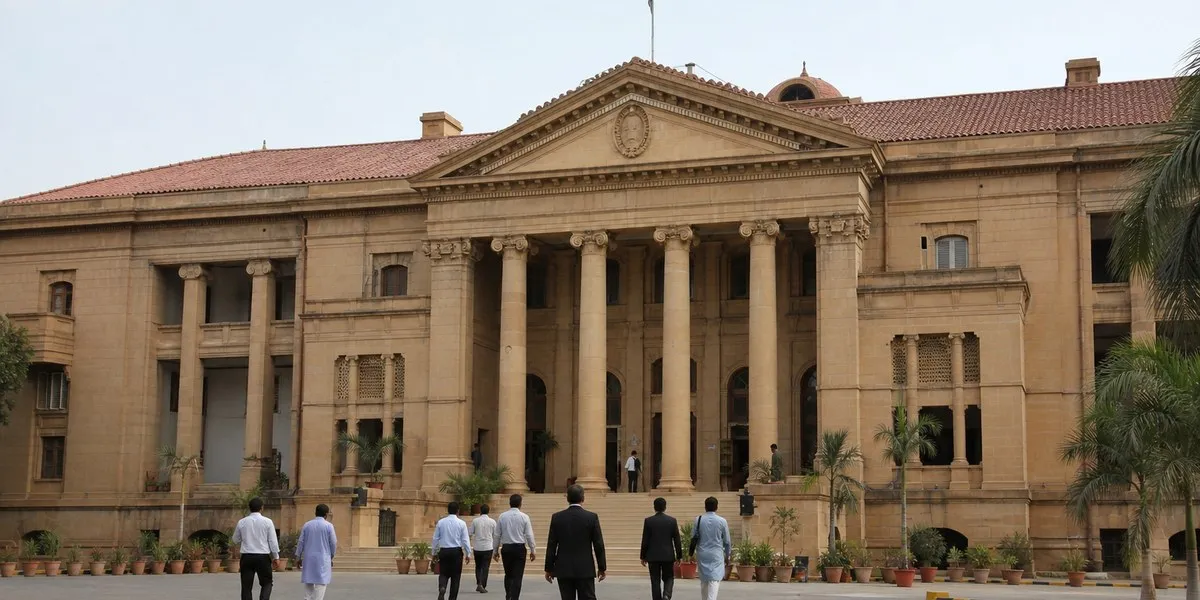
A judicial commission in Karachi, Pakistan, has concluded that the death of 25-year-old businessman Mir Raza Ali was a murder, not a suicide. In its 62-page report, the commission called the police work an epic failure and pointed to procedural violations required for a trial and successful criminal prosecution, Dawn reports.
The commission was headed by Sindh High Court judge Omar Sial. It noted that the police’s initial response to the report of a body was prompt, but their subsequent actions raised serious concerns. According to the commission, the bullet trajectory, the location of the wound, the absence of blood, the condition of the body, acid burns and traces of anaesthesia in the blood rule out suicide as the cause of death.
Claims against police and medics
The report states that the police prematurely made public the suicide theory before conducting a proper investigation. The commission believes that even under this theory, investigators should have checked for possible coercion, blackmail or incitement, but did not do so.
The commission said it could not definitively rule out active concealment of the circumstances at the initial stage of the investigation. According to its findings, dozens of authorised and unauthorised police officers collected evidence and questioned key individuals, often without documenting their actions. As a result, the report states, none of the officials wanted to take responsibility for the violations committed.
More current news is available on the UA.News Telegram channel Telegram.
The report described the actions of Ferozabad police station chief Adil Afzal as criminal negligence and recommended a full investigation into him, as well as his suspension from duty pending the review. The commission gave the same assessment to the case’s first investigator, Sub-Inspector Shabbir Leghari. It also pointed to a lack of leadership and oversight by senior police officials.
Recommendations for a new investigation
The commission recommended creating a joint investigation team led by Deputy Inspector General of Police Irfan Baloch. It proposed including representatives of Pakistan’s Inter-Services Intelligence, Intelligence Bureau, Sindh Rangers and the National Cyber Crime Investigation Agency.
It also proposed establishing a high-level committee, preferably led by the Federal Investigation Agency, to examine the possible criminal liability of police officers who worked on the case during the first 10 days. The commission stressed that a significant portion of the physical evidence may have been compromised.
Ali’s body, with gunshot wounds, was found on July 29 in bushes in the Gulistan-e-Jauhar area, the day after he went missing. Police initially considered suicide, citing the results of the first autopsy. In the second autopsy report, the Exhumation Commission unanimously concluded that death was caused by a gunshot wound to the back.




