
IUCN: 96% of Shallow-Water Reefs at Risk of Disappearing by 2075 — Asharq Al-Awsat
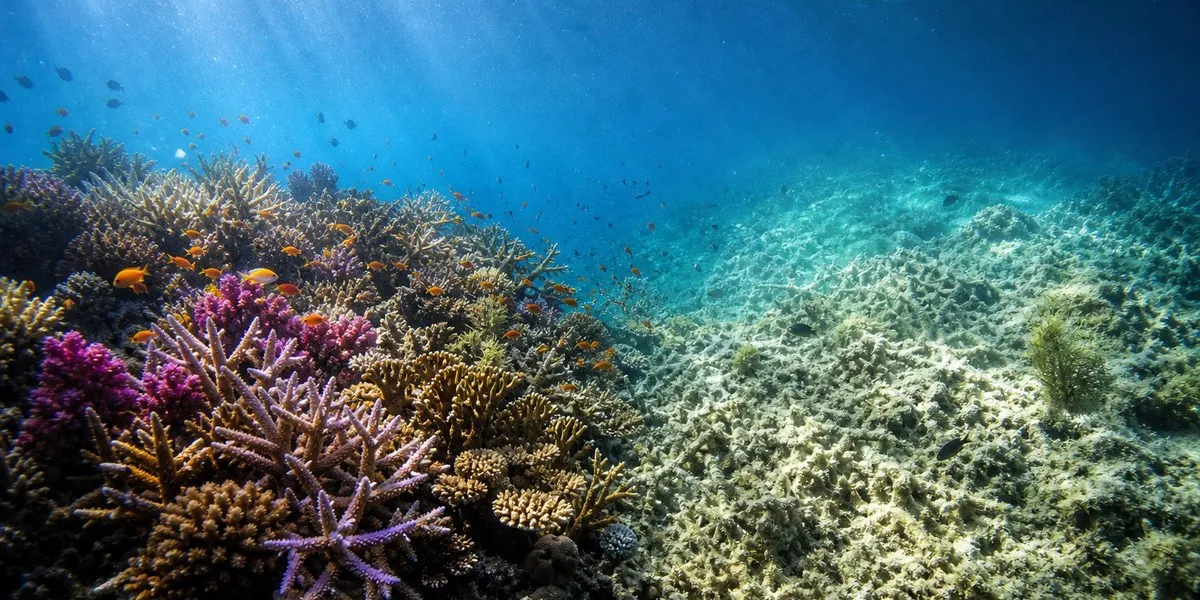
On the sidelines of the UN biodiversity conference in Armenia, the International Union for Conservation of Nature reported that 96% of shallow-water coral reef systems are already critically threatened and could disappear by 2075. The global assessment covered 127 tropical and subtropical ecoregions with a total reef area of 188,362 square kilometers, Asharq Al-Awsat reports.
Ocean warming named the main threat
The assessment described climate change as the most consistent threat to coral reefs worldwide. Ocean warming and heatwaves are the main drivers of their decline. The critically endangered category includes the Great Barrier Reef in Australia, the Coral Triangle in the western Pacific and Southeast Asia, the Mesoamerican Barrier Reef System, and the Red Sea reefs.
When a reef ecosystem collapses, hard corals disappear and are replaced by algae, debris, and sponges. As a result, the reef can no longer support a diverse ecosystem that includes invertebrates and reef fish, including groupers.
More current news is available on the UA.News Telegram channel Telegram.
Consequences of coral bleaching
Mishal Gudka, scientific lead of the IUCN Global Red List of Ecosystems assessment for coral reefs, said that the risk of reef collapse is increasing, although some resilient coral ecosystems may survive. According to him, corals have already demonstrated an ability to recover after large-scale bleaching episodes.
Another IUCN study, published in the journal Nature, found that nearly 44% of reef-building coral species face an elevated risk of extinction due to climate change. Another survey recorded harmful coral bleaching on 84% of ocean reefs, the most extensive level observed to date.
Experts stress that preserving reefs requires emissions cuts, reduced pollution, limits on overfishing and coastal development. Other possible measures cited include protecting and restoring ecosystems, as well as using new technologies to restore corals.




