
More than 90 slow lorises found on Bangka Island — Daily Maverick
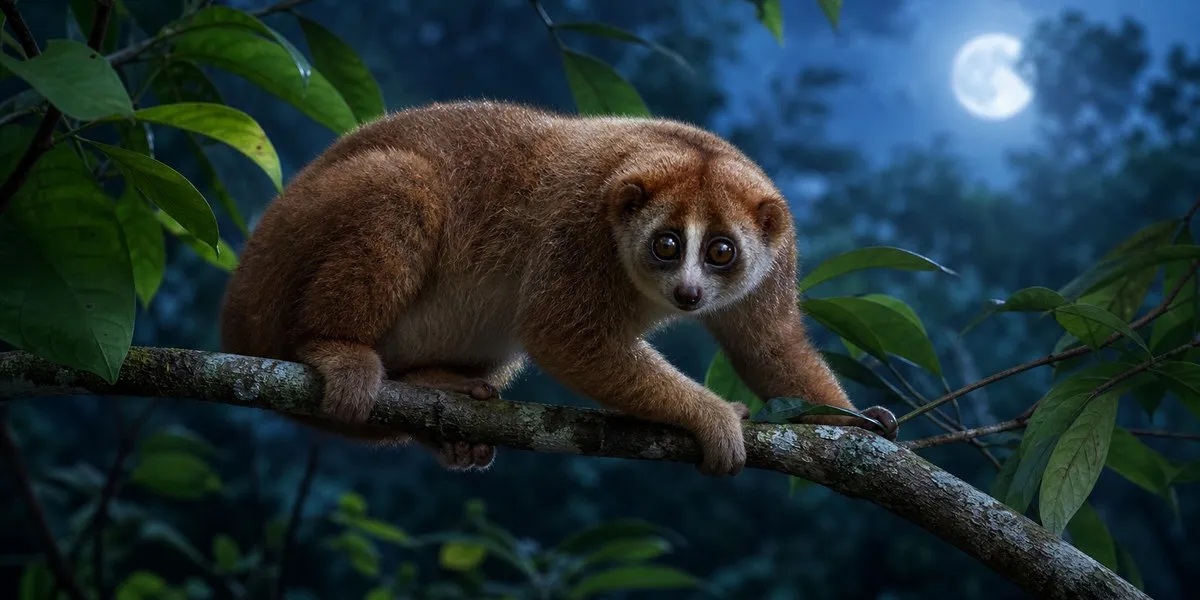
More than 90 Bangka slow lorises (Nycticebus bancanus) were recorded on the Indonesian island of Bangka between 2015 and 2025 — a species long considered possibly extinct. According to Daily Maverick, the animals were discovered by the Indonesian organization Alobi Wildlife Rescue Center in different parts of the island.
The last scientific records of this species on Bangka dated back to 1930–1932. In 2020, the International Union for Conservation of Nature classified the Bangka slow loris as critically endangered and stated that it may probably have become extinct.
86 animals released into the wild
Some of the lorises were found in homes, gardens, plantations, and on roads. Some animals suffered severe injuries, including from electrical wires; several individuals died despite treatment. After rehabilitation, 86 lorises were released into suitable natural habitats.
More current news is available on the UA.News Telegram channel Telegram.
According to Timon Glaw, one of the study’s authors, findings in different areas of Bangka indicate that the species has survived in several parts of the island, despite significant habitat destruction and a prolonged lack of scientific observations.
A venomous nocturnal primate
The Bangka slow loris is a small nocturnal primate with reddish-brown fur, large eyes, and distinctive facial markings. It moves slowly and cautiously through trees. The species is more closely related to Madagascar’s lemurs and African galagos than to monkeys and apes.
Like other slow lorises, this species is venomous. The animals produce a secretion in specialized glands near their elbows, mix it with saliva, and can deliver venom through a bite. Such a bite can cause a severe allergic reaction in humans. The main threats to the species remain tin mining and deforestation for oil palm plantations.




