
Nepal and Bhutan propose COP31 agenda item on mountain warming — Kathmandu Post
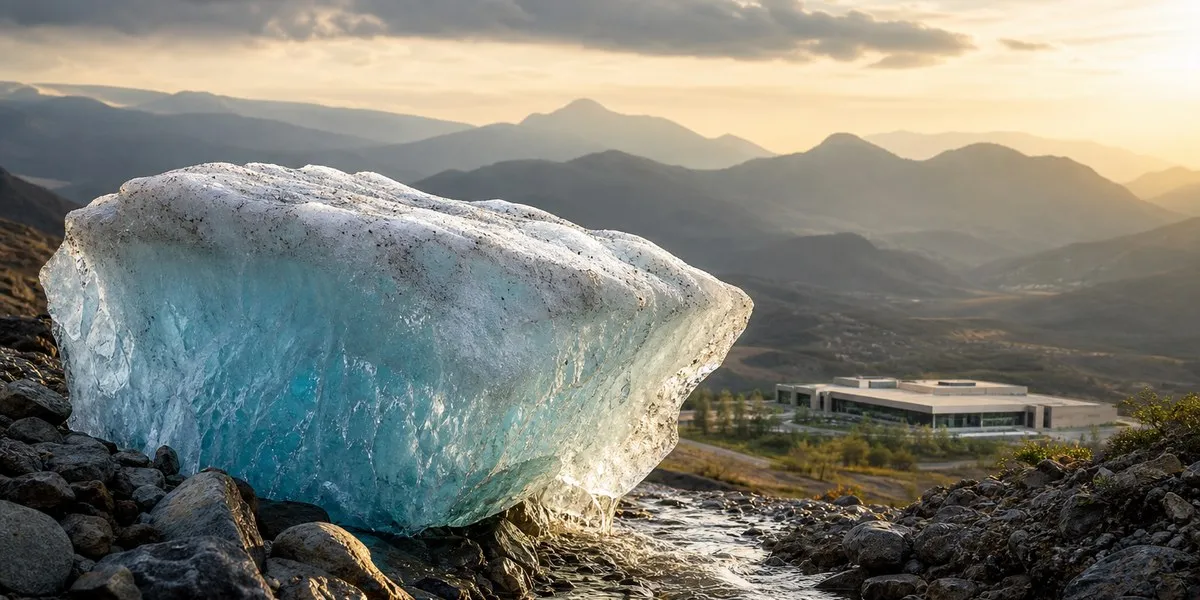
Nepal and Bhutan have proposed including a separate item, “1.5°C warming in mountains,” in the supplementary provisional agenda of the COP31 climate conference. The Conference of the Parties to the UN Framework Convention on Climate Change is scheduled to take place on November 9–20, 2026, in Antalya, Türkiye.
As Kathmandu Post reports, the two Himalayan states sent an official submission to the COP President, the incoming COP President, and the Executive Secretary of the UN Framework Convention on Climate Change. A letter from Minister of Agriculture, Forests and Environment Gita Chaudhary refers to accelerated warming in mountain areas, primarily in the Hindu Kush-Himalaya region.
Risks to glaciers and water resources
Nepal and Bhutan state that rising temperatures threaten glaciers, snow cover, permafrost, biodiversity, food systems and energy production. In their assessment, changes in the mountains could affect water supply, agriculture, hydropower and disaster risks for communities downstream along rivers.
More current news is available on the UA.News Telegram channel Telegram.
The submission notes that mountain regions are the sources of major river systems that provide fresh water to more than two billion people in Asia and beyond. The countries also point out that mountains cover nearly a quarter of the Earth’s surface, are home to around 15% of the world’s population and contain approximately half of the world’s biodiversity hotspots.
What steps the countries propose
Nepal and Bhutan propose deepening scientific research into the effects of 1.5°C warming and a possible overshoot of this level on mountain regions. Other initiatives include an annual high-level dialogue on mountains and climate change, the establishment of a separate work programme on mountain ecosystems under the UN Framework Convention, and consideration of mountain-specific factors in adaptation mechanisms, climate finance, and loss and damage.
The authors of the submission called for stronger cross-border cooperation, coordination of disaster risk reduction measures, development of early warning systems and data exchange among countries sharing mountain river basins. As an example of the financial vulnerability of mountain states, they cited an estimate by Nepal’s National Disaster Risk Reduction and Management Authority: restoring property and infrastructure after a flood caused by a glacier collapse in Bhote Koshi may require $4.7 billion — about 10% of the country’s GDP.




