
New method helped JWST see exoplanet 51 Eridani b — Space.com
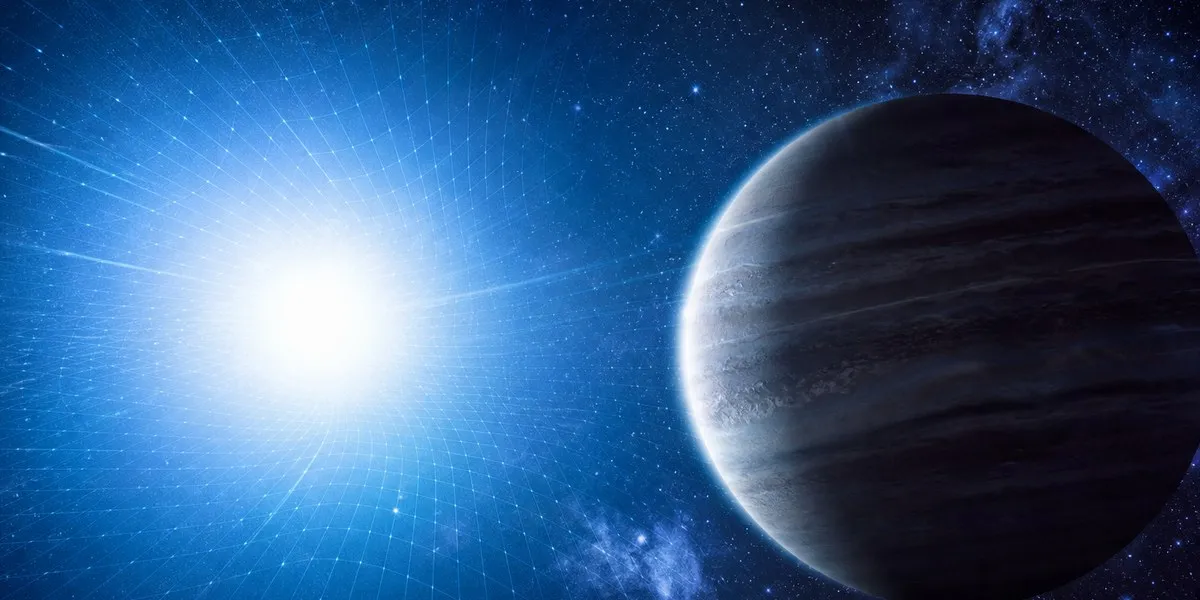
Astronomers used a new method to process images from the James Webb telescope and were able to detect the gas giant 51 Eridani b in data where it had previously been invisible because of the bright light of its parent star. The planet in the system, located about 97 light-years away, was first discovered by ground-based telescopes in 2015. It has a mass approximately 11 times that of Jupiter, Space.com reports.
How the starlight was removed
Exoplanets are much dimmer than their stars: even the brightest of them can be 100,000 times fainter than the star. Coronagraphs can block part of the starlight, but residual scattering can still conceal the planet.
The team developed an approach called Physics-based Learning for Imaging Planets, or FLIP. It creates a digital “twin” of the telescope that models the path of light through the mirrors to the detectors. The model is adjusted for millions of small imperfections in the instrument and is then used to subtract the simulated glare of the star from the real image.
More current news is available on the UA.News Telegram channel Telegram.
Testing the method
The researchers reanalyzed JWST observations of the HIP 65426 and 51 Eridani systems, where exoplanets are already known, as well as the TYC 5899 system, where no planets had been detected. According to the team’s estimate, FLIP outperformed traditional image-processing methods in the search for faint exoplanets by a factor of two to 15.
In particular, the method made it possible to see 51 Eridani b in JWST data collected two years ago. The authors of the study believe that FLIP could help find other planets hidden by the glare of their stars. The study was published on November 4 in the journal Nature.




