
OpenAI disbands standalone robotics team — Fortune
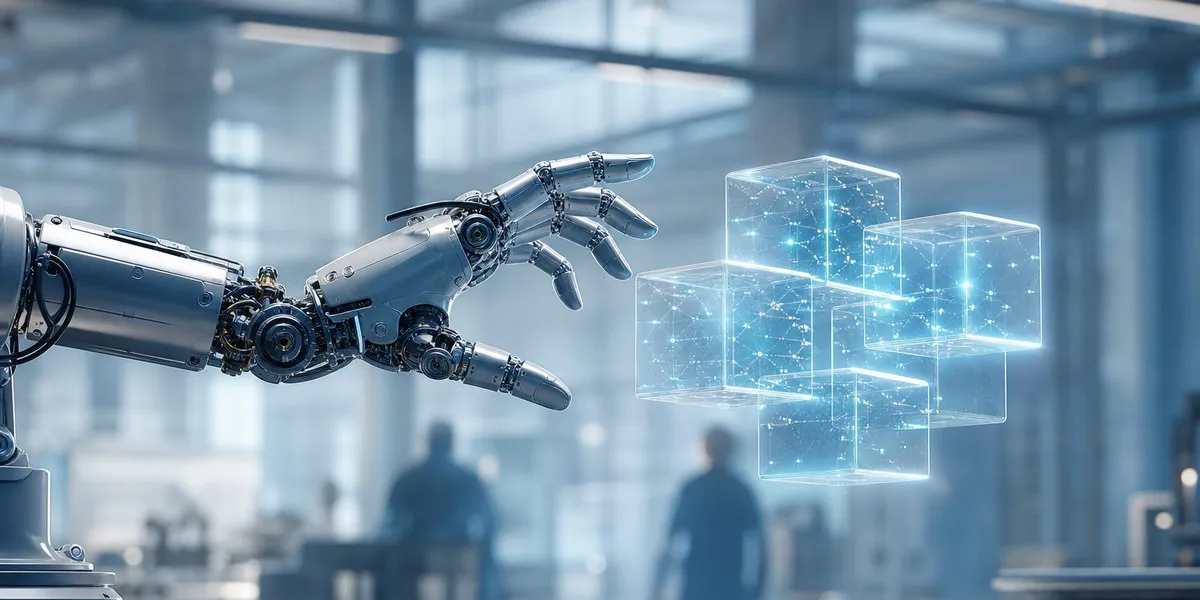
OpenAI has disbanded its standalone robotics team and reassigned its researchers to other company divisions. As Fortune reports, the company said the reorganization is intended to accelerate robotics development rather than signal an abandonment of the field.
The research part of the robotics team was moved to the core research group led by OpenAI Chief Research Officer Mark Chen. The applied robotics and hardware teams were reassigned to the larger Applied organization, which reports to OpenAI President Greg Brockman.
Bet on general-purpose models
OpenAI said robotics remains part of the company’s long-term vision. It believes that the best path to creating general-purpose robots now lies in developing general-purpose artificial intelligence models capable of working with language, code, images and physical devices.
According to a company representative, OpenAI’s advanced models, including GPT-6 Astra, have demonstrated the possibility of direct application to robotics tasks. At the beginning of the year, the company considered work on Sora — a video generation model that must in some way account for patterns of the physical world to create realistic videos — as a basis for this area.
More current news is available on the UA.News Telegram channel Telegram.
Robotics at OpenAI
OpenAI had a robotics team at an early stage of its development, but shut it down in 2020. In 2024, the company reinstated a standalone team and announced a partnership with startup Figure to develop AI models for humanoid robots. The collaboration ended in February 2025, when Figure said it would independently develop AI for robots.
The company has also said it is developing its own humanoid robot, and CEO Sam Altman is targeting its first public demonstration in 2027. At the same time, researchers note that large language models are powerful but slow and require cloud computing and a constant network connection. Therefore, some tasks may require compact specialized models that operate directly on the robot.
In one Nvidia study, an Astra-based agent achieved a 74.8% success rate in a simulated robot manipulation test. The best specialized robotics models in this ranking showed 51%. This concerns testing in a digital simulation rather than on a real robot.




