
India’s exotic animal market could nearly double by 2030 — Mongabay
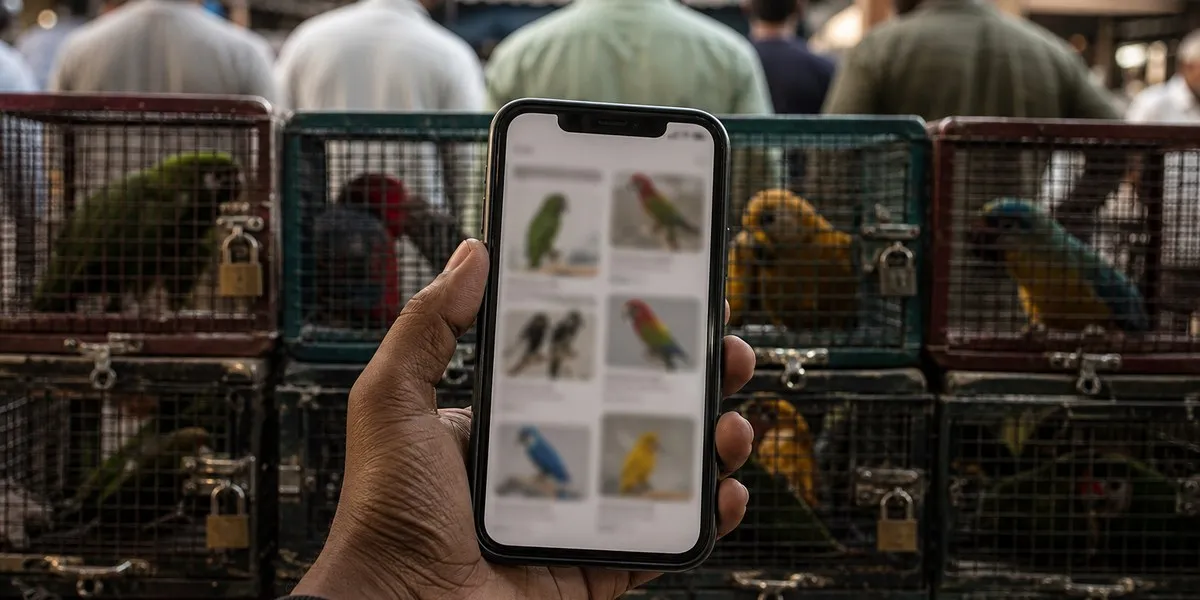
India’s exotic pet market was valued at $42.6 million in 2024 and could nearly double by 2030. Higher incomes, social media and the influence of pop culture are driving demand, Mongabay reports, citing a report by Humane World for Animals.
Sales through social media
Despite laws aimed at combating illegal wildlife trade, it continues because of enforcement gaps and unregulated online platforms. Closed groups in messaging apps enable transactions that bypass health checks and documentation requirements.
Humane World for Animals’ director in India, Sumant Bindumadhav, said that social media normalize keeping exotic animals. According to him, algorithms distribute videos with high audience engagement, which may increase demand. Interaction with animals at petting zoos also contributes to creating such demand.
More current news is available on the UA.News Telegram channel Telegram.
Registration and legal loopholes
In 2020, India’s environment ministry introduced a voluntary declaration scheme: owners of non-native species could report their animals to authorities without the risk of prosecution. According to the report, more than 40,000 people in 30 states and union territories declared their exotic pets.
India also updated its wildlife legislation, requiring the registration of possession, transfer, birth and death of species listed in the CITES Convention appendices. At the same time, environmental lawyer Shubhra Sothiye stressed that trade in native wild animals is prohibited, while the market for exotic non-native species is legal but regulated.
The report identified technical failures in online registration portals, difficulties in identifying certain registered animals, and an uncertain legal status for species not included in the CITES appendices among the problems. Representatives of conservation organizations also point to difficulties in coordination between different agencies during customs operations, as well as uncertainty over the future fate and repatriation of seized animals.




