
At least 72 prospectors killed in Sudan airstrike — Al Jazeera
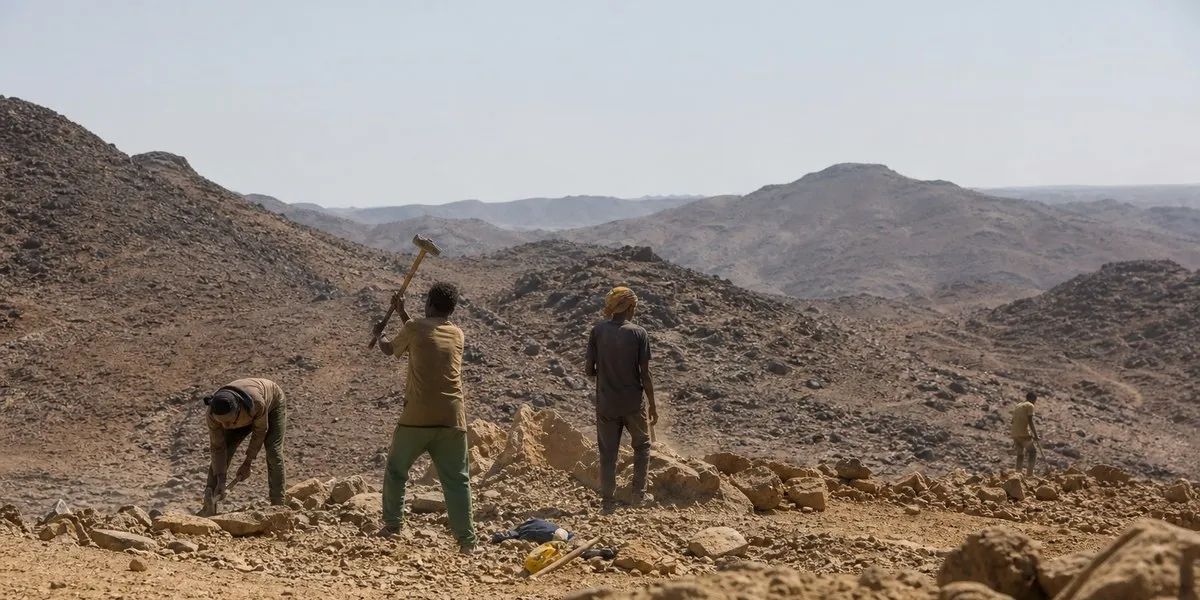
At least 72 artisanal gold prospectors were killed in an airstrike near Jabal al-Aygdat in Sudan's Red Sea region on October 10. Among those killed was 16-year-old Altaib Alhadi, who had worked at the mine for only a few months. As Al Jazeera reports, the strike is attributed to the Egyptian military.
Altaib was orphaned at the age of six: his father died after a well collapsed, and his mother died two months later. At 14, the boy left the village of Galli in White Nile State for northern Sudan to earn money for his younger brothers and sisters and help them continue their education.
Work at the mine
At first, the teenager worked in transport and other jobs, but later began searching for gold in the mountains. Together with about 15 young people and children, he extracted gold from rocks using simple tools. The miners delivered the collected material to nearby mills for processing.
According to one miner, the group could work for two to three weeks to find a gram of gold or less. After selling that amount, the participants divided about $100. Earnings depended on the amount of gold found, spending on equipment and fuel, as well as arrangements with investors or equipment owners.
More current news is available on the UA.News Telegram channel Telegram.
A witness said that less than half an hour after saying goodbye to Altaib, he heard explosions. According to him, people began fleeing in different directions, and several strikes occurred within a few minutes. The injured teenager was carried to a safer place near the mountain, but died several hours later.
Risks of artisanal mining
After the war between the Sudanese army and the paramilitary Rapid Support Forces began in 2023, thousands of people with no other sources of income started working at artisanal gold mines in northern Sudan. In addition to airstrikes, miners face risks from collapsing mine shafts, unstable ground, and limited access to medical care in remote areas.
According to Chatham House, artisanal and small-scale mining accounted for 53.71 tonnes, or about 83% of Sudan's declared gold production in government-controlled areas in 2024. About one million people were employed in this sector across all 18 states of the country, and it generated approximately $1 billion annually for the country.
Egyptian authorities accused Sudanese gold prospectors of crossing the border and reportedly linked some of them to gold smuggling, drugs, and human trafficking. There is little independent evidence to support these claims. Sudanese military leader Abdel Fattah al-Burhan reportedly ordered the creation of a commission involving prosecutors, representatives of the judiciary, and security forces to investigate the attack.




