
Brazilian court orders ranchers to leave Piripkura territory within 120 days — Mongabay
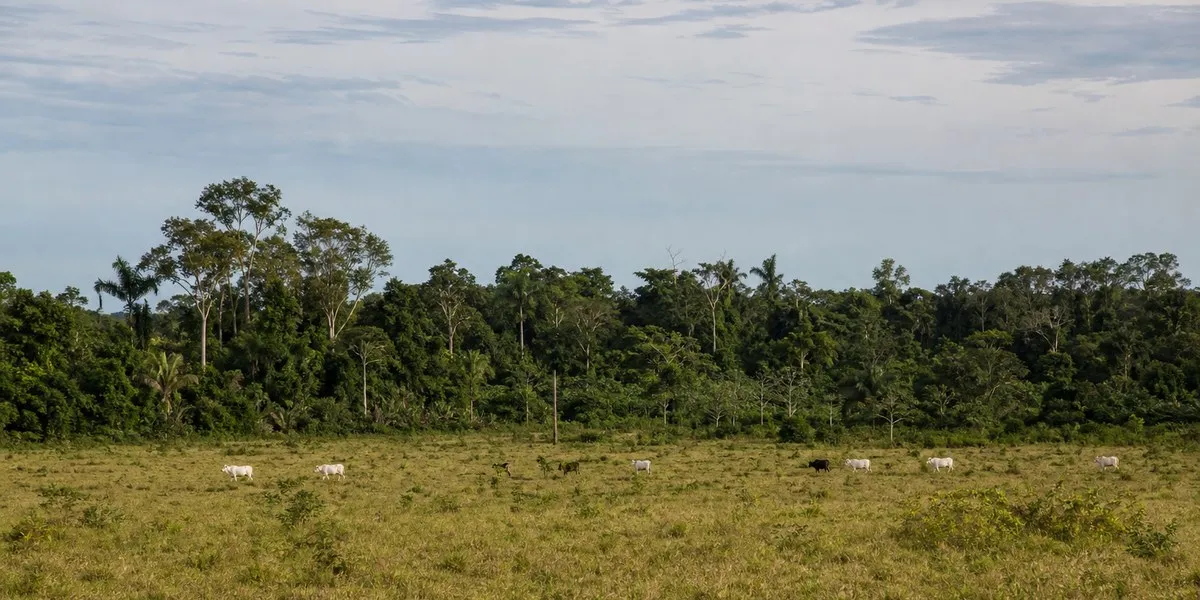
A federal court in Brazil’s Mato Grosso state has ordered non-Indigenous people to leave the territory of the Piripkura Indigenous people within 120 days. They must remove workers, cattle, machinery, equipment and other movable property. At least two Piripkura people living in voluntary isolation reside in the territory, Mongabay reports.
The October 7 decision overturns an earlier ruling that had temporarily allowed some ranchers to remain on the land until the territory’s demarcation process was completed. For failure to comply after the 120-day deadline, the court set a fine of 500 Brazilian reais per day.
Deforestation and cattle ranching
The decision was made after Brazil’s Indigenous affairs agency Funai and environmental agency IBAMA documented new cases of illegal deforestation and cattle-ranching-related activity. Satellite images identified 36.83 hectares of new deforestation on a plot linked to rancher Roberson Gomes, known as Robinho. He was fined 185,000 reais.
According to case materials, Gomes was repeatedly found in the territory after his eviction. In 2020, he told authorities that he kept 620 head of cattle there. During an IBAMA operation in February 2026, Luís Carlos da Silva Rodrigues said that he leased land from another person involved in the case and was Robinho’s cattle-ranching partner; according to him, he had about 450 head of cattle in the territory.
More current news is available on the UA.News Telegram channel Telegram.
Risk of unwanted contact
Funai and IBAMA also reported the discovery of illegal airstrips which, according to case materials, could have been used for drug trafficking. During a law enforcement operation in the western part of the municipality of Colniza, three people were detained and about 500 kilograms of marijuana were seized. The operation was conducted after a report that an aircraft from Bolivia had used a clandestine strip to unload drugs.
Funai stressed that illegal activities near the territory pose a threat to the physical safety and health of isolated people. Unwanted contact may lead to the transmission of diseases to which the Piripkura have no immunity, and also increases the risks of violence linked to organized crime.
Funai will coordinate the enforcement of the court ruling, with support from IBAMA and law enforcement agencies if necessary. Prosecutors said the priority is for people to leave voluntarily in order to avoid confrontation and prevent direct or indirect contact with the isolated Piripkura.




