
Taiwan launches military reform focused on drones and artillery — Taipei Times
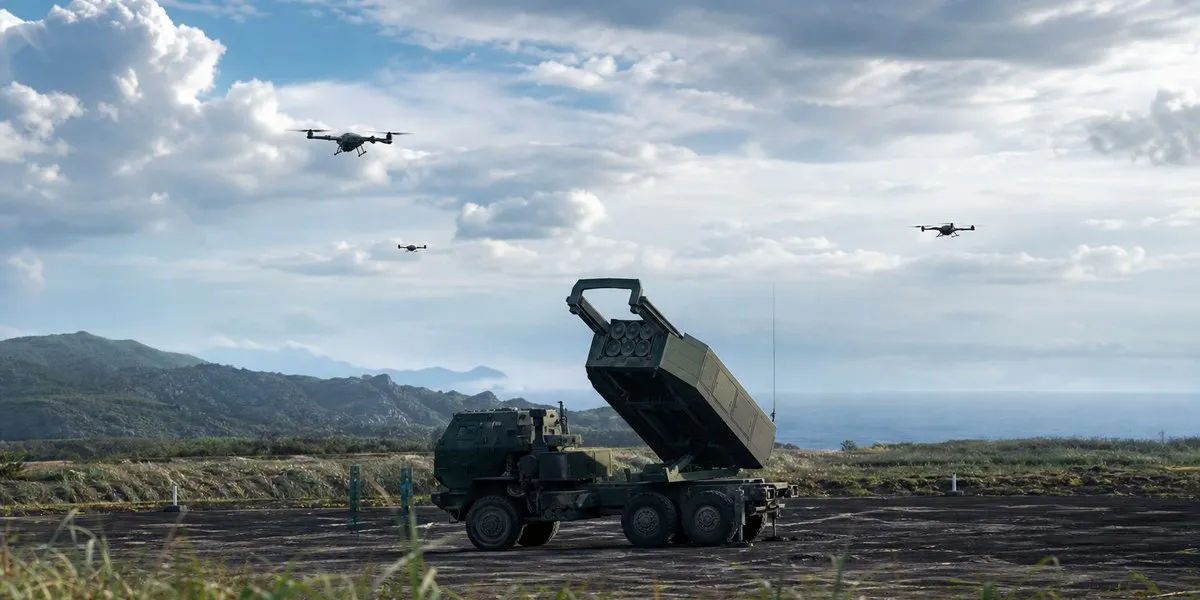
Taiwan has begun reorganizing its armed forces, under which it plans to strengthen artillery, coastal defense, drone units and counter-drone capabilities. The aim of the changes is to reduce the military's dependence on troop numbers through firepower and technology, Taipei Times reports, citing an anonymous defense official.
Artillery and drones
The next phase involves reorganizing and expanding artillery following the introduction of HIMARS rocket systems and M109 self-propelled howitzers in the 6th, 8th and 10th army corps. Modern artillery platforms require crews of three service members, while towed guns require between nine and 11 personnel. The released service members are planned to be involved in forming missile-artillery battalions based on existing missile-artillery companies.
Drone units are to be integrated into artillery headquarters at the corps level. Army UAV battalions are planned to be equipped with FPV drones and reconnaissance UAVs from the National Chung-Shan Institute of Science and Technology, as well as Altius-600M loitering munitions. According to the source, the army is also ordering 2,000 Altius-700M anti-tank drones and Altius-600ISR reconnaissance drones.
More current news is available on the UA.News Telegram channel Telegram.
Air defense and facility protection
Artillery headquarters are to combine reconnaissance and strike drones, tube artillery and missile systems into a digital target-engagement chain. The Navy's Coastal Combat Command plans to establish a fourth coastal combat group. Separate UAV units in each such group will use vertical takeoff and landing drones that are to enter service.
Taiwan's Air Force security force is to be expanded into a brigade-level unit to protect radar stations, air bases and other key facilities from Chinese drones and special operations forces. It is to include conscripts and professional service members armed, among other things, with man-portable Stinger anti-aircraft missiles and Kestrel anti-tank weapons.
The Air Force also plans to establish units to operate PAC-3 MSE interceptors and NASAMS air defense systems if Washington approves a $14 billion arms package for Taiwan. The reform also provides for strengthened training of conscripts in countering UAVs and using asymmetric weapons.




