
Thames Water asks to postpone debt repayment — The Guardian
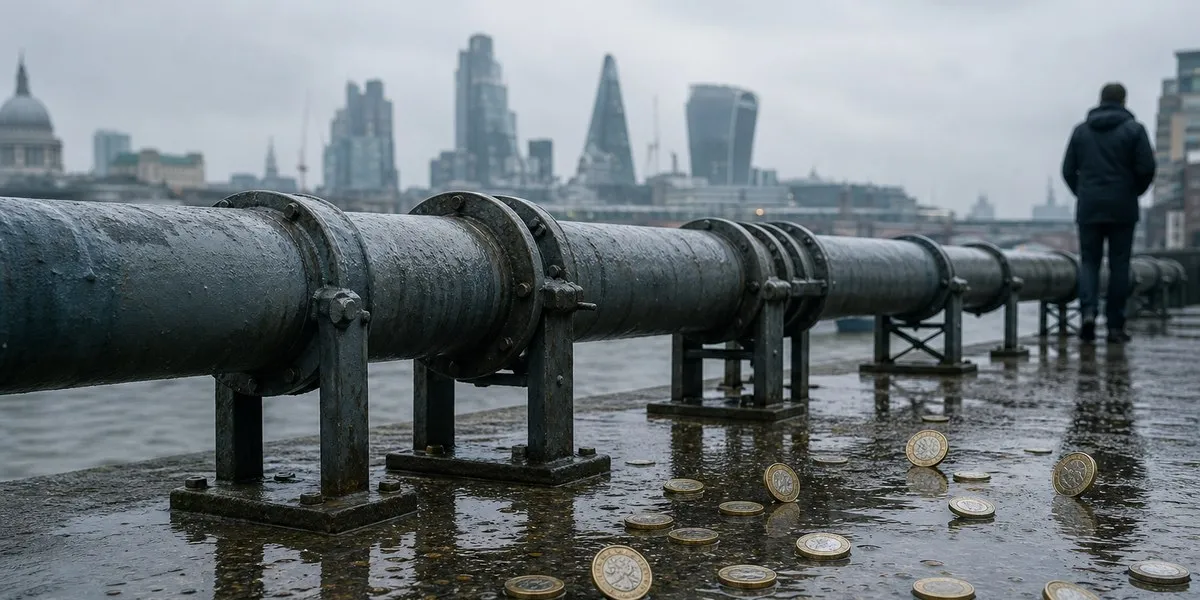
In the United Kingdom, the largest water supply company, Thames Water, has approached creditors with a proposal to extend until March 2028 the repayment deadline for an unspecified portion of its total £20 billion debt. The current deadline for these payments falls in 2027.
The company, which serves around 16 million customers in London and the Thames Valley, described the initiative as an interim arrangement. As The Guardian reports, Thames Water is trying to avoid bankruptcy after several years of financial problems linked to its substantial debt burden.
Creditors and financing
Thames Water’s shareholders left the company in 2024, after which creditors gained effective control of it and began seeking a mechanism to avoid bankruptcy. In February last year, creditors provided Thames Water with separate £3 billion financing to support the company during negotiations on reducing its debts and raising new capital.
The creditor group, united under the name London & Valley Water, is led by the US hedge funds Elliott Management and Silver Point Capital. It also includes institutional investors BlackRock and M&G.
More current news is available on the UA.News Telegram channel Telegram.
Seeking a long-term solution
In October, Thames Water also asked creditors for an emergency £2.4 billion loan. The company warned that without a long-term debt agreement, its funds could run out in late 2026 or early 2027.
Prime Minister Andy Burnham must decide whether to allow creditors to acquire Thames Water. Such a deal would involve writing off fines and reducing the company’s environmental obligations. Other options under consideration include nationalisation or another form of state control. Labour politicians and environmental activists are calling for Thames Water to be placed under special administration — temporary state control until a new buyer is found.
Regulator Ofwat recently said that water companies could increase annual tariffs by an additional £3.4 billion, on top of the agreed average 36% rise in bills over the five years to 2030.




