
Starter homes cost $1 million or more in 242 US cities — Fortune
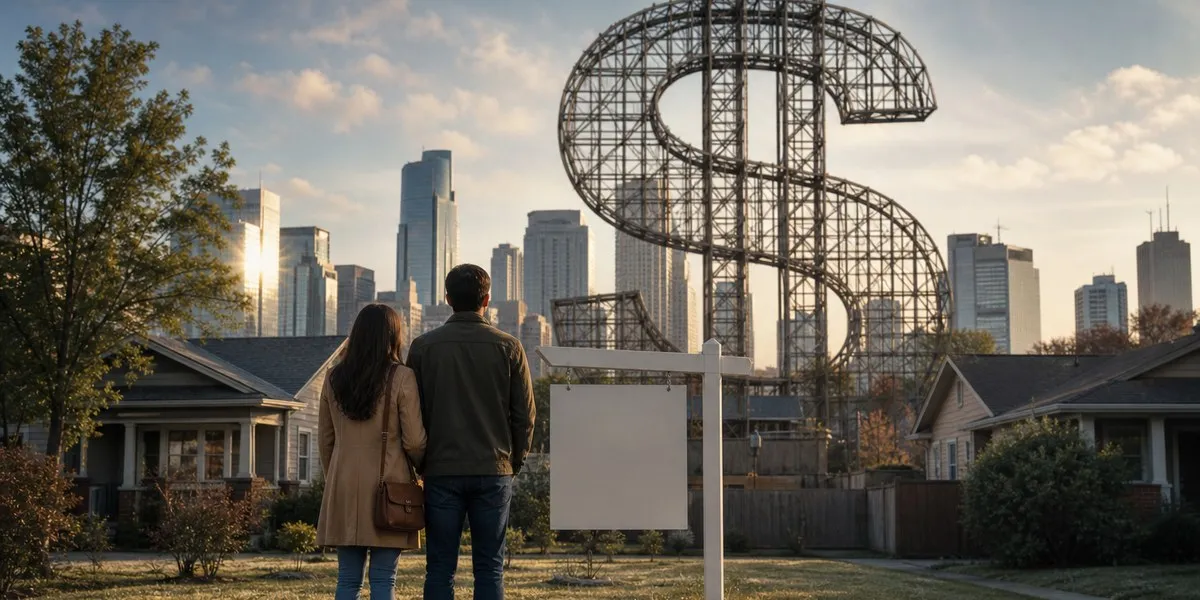
In the United States, the number of cities where a typical starter home costs at least $1 million has reached a record 242. This is three times more than the 80 cities with this price level before the pandemic and 16 more than a year earlier, according to a Zillow study reported by Fortune.
Growth in the number of such cities
California has the largest number of such cities — 105. At the same time, the number of cities with million-dollar starter homes grew fastest in the US Northeast. In New York state, their number increased from 12 to 41 compared with the pre-pandemic period, while in New Jersey it rose from one to 26.
In the past year alone, New York and New Jersey together added 15 cities to the list. The New York metropolitan area had 63 cities where starter homes are valued at $1 million or more. It is followed by the San Francisco metropolitan area with 37 cities, Los Angeles with 33, San Jose with 13, and Miami and Seattle with eight each.
More current news is available on the UA.News Telegram channel Telegram.
A barrier for first-time buyers
Zillow defines starter homes as properties in the bottom third of prices in a particular region. As of June, the typical cost of such housing in the United States was $198,649, up 1.7% from a year earlier. At the same time, in more than 200 cities, prices in this segment are about five times higher than the national figure.
Before 2020, cities with million-dollar starter homes were almost all located on the coast; Colorado was the only exception. Now, at least one such city exists in 26 states, compared with nine before the pandemic. Several examples can also be found in Texas, Wyoming, and Illinois.
According to data from the National Association of Realtors, released in November 2025, the typical first-time homebuyer in the United States reached a record age of 40. The share of such buyers fell to half the historical norm in July. Zillow links rising prices to a housing shortage, high demand, and a period of historically low mortgage rates during the pandemic boom.




