
National assessments begin in Kenya amid bad weather and security problems — Nation Kenya
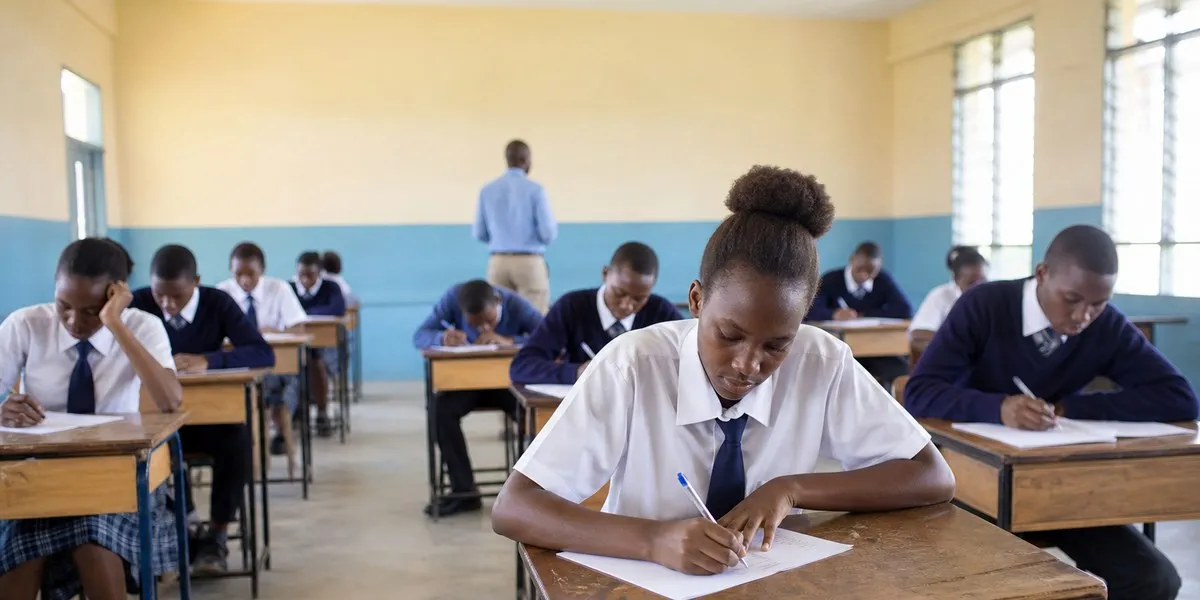
National assessments, the Kenya Primary School Education Assessment (KPSEA) and Kenya Junior School Education Assessment (KJSEA), began in Kenya on October 26. Authorities warned pupils, teachers and administrators of responsibility for violating the rules, including the possible cancellation of results. As Nation Kenya reports, officials are preparing for heavy rainfall, floods, insecurity in certain areas, difficult logistics and food shortages to ensure the smooth conduct of the assessments.
Police not stationed at centres
Education Minister Julius Ogama said law enforcement officers would not be stationed directly at KPSEA and KJSEA centres. According to him, competency assessments should take place in a calm atmosphere, while an excessive security presence could cause anxiety among pupils. At the same time, the government is working with the Ministry of Interior to respond to possible consequences of heavy rainfall, flooding, security problems and the inaccessibility of some areas.
KPSEA will run from October 26 to 28, while KJSEA will run from October 26 to 30. In several counties, officials reported the timely delivery of materials and increased security at collection points. In Turkana, pupils from villages where attacks by bandit groups have resumed are being escorted to safer assessment centres. In Lamu, additional security forces have been deployed near the border with Somalia and in the Boni Forest area.
More current news is available on the UA.News Telegram channel Telegram.
Hunger, floods and allegations of violations
In Murang'a County, food shortages were described as a serious problem, especially in arid areas. According to the local emergency management department, at least 80,000 households are experiencing acute hunger due to environmental and economic factors.
In the north-eastern region, some parents claimed they had allegedly been asked to pay money to facilitate cheating. In Garissa, in particular, some schools were accused of charging between 10,000 and 30,000 Kenyan shillings per pupil. Regional education director Adan Roble said his department was unaware of such claims. Helicopters and government vehicles were prepared there to access areas facing security threats.
In Baringo County, administrative difficulties were recorded at the start of the assessments: initially, one pupil's assessment material was missing, and six candidates were found to have data discrepancies after being assigned to schools other than their place of registration. Officials said these issues were resolved together with the Kenya National Examinations Council.




