
8 million children in Sudan out of school due to war — Al Jazeera
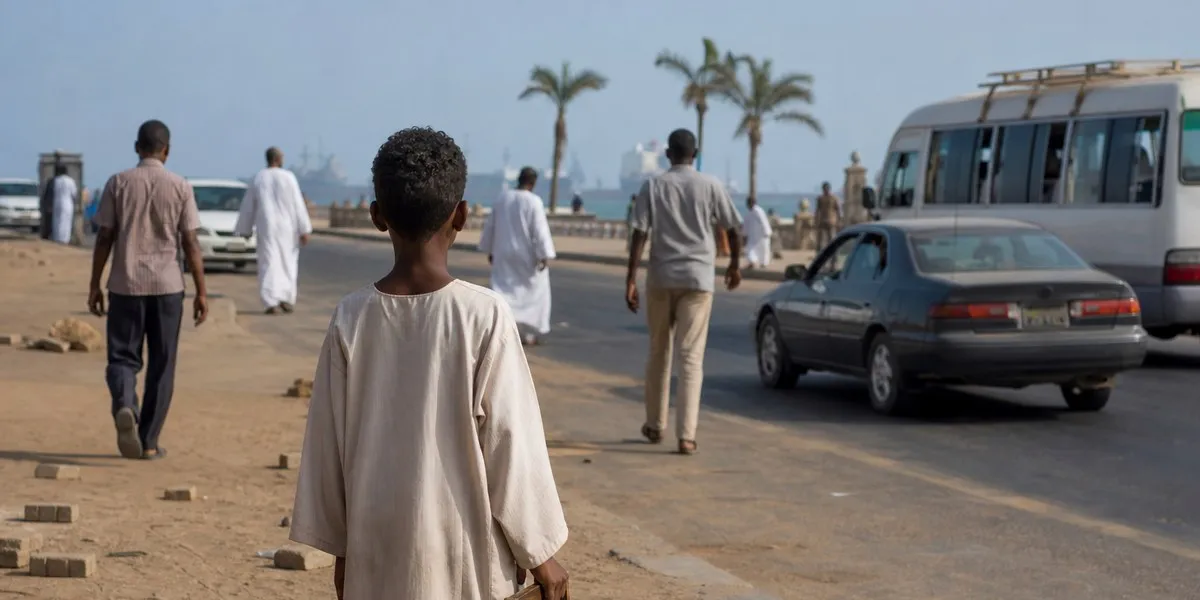
In Sudan, about 8 million of the country’s 17 million school-age children are not attending educational institutions amid the war that has continued since April 15, 2023. This was reported by Al Jazeera, citing UNICEF data. Many children work after being forcibly displaced in order to support their families.
Save the Children estimates that since the start of the conflict, Sudanese children have missed an average of about 484 school days. The reasons include prolonged school closures, hostilities, population displacement and damage to educational institutions.
Schools remain closed
In Darfur, one of the regions most affected by the war, about 80% of schools remained closed, while approximately 70% of children did not attend classes. UNICEF Sudan’s head of advocacy and communications, Eva Hinds, stated that nearly half of the country’s school buildings no longer function as classrooms due to war damage.
The Rapid Support Forces, which are fighting the Sudanese Armed Forces, are accused of drone attacks on schools, universities and other civilian infrastructure. In September 2026, a drone strike on two warehouses in North Kordofan destroyed more than 330,000 school textbooks and other educational materials.
More current news is available on the UA.News Telegram channel Telegram.
Suleima Ishag, chair of the Government Advisory Council on Women and Children, noted that children in conflict zones, including Darfur and parts of Kordofan, risk permanently losing access to education. According to her, girls face additional risks of early marriage, sexual violence, teenage pregnancy and increased household responsibilities.
Children work for their families
Nine-year-old Abkar Mohammed, who left Khartoum for Port Sudan with his mother and three siblings a few days after the war began, cleans and repairs shoes on the city’s streets every day. He attends traditional Quran study classes but does not go to a regular school because of his family’s financial situation. The boy earns about 10,000 Sudanese pounds per day, or approximately $1.08, and gives the money to his mother.
Sixteen-year-old Mahmoud al-Ghali has not attended school since the beginning of the war, when he was 13. After several displacements, he sells sweets and chips on the streets of Port Sudan to help his family. His daily income amounts to about 20,000 Sudanese pounds, less than $3.
Psychologist Hanaa Mohammed said that prolonged displacement and interrupted education affect children’s mental health: they live in constant fear, have trouble sleeping and concentrating, and may become more aggressive or withdraw into themselves.




