
Scientists find evidence of a shift in Earth's tectonics 2.5 billion years ago — ScienceDaily
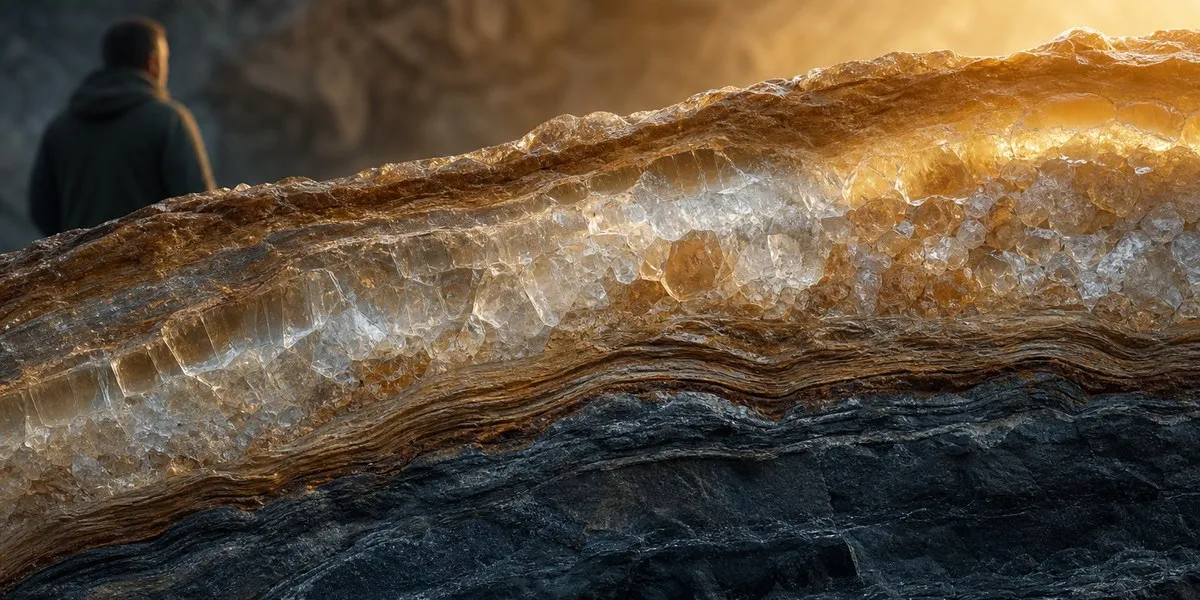
Scientists from Curtin University analyzed thousands of rock samples from different parts of the world and found that about 2.5 billion years ago, a characteristic chemical signature of the earliest Earth’s crust disappeared from the geological record. As ScienceDaily reports, this may indicate Earth’s transition to the modern system of plate tectonics.
Chemical signature of ancient crust
The researchers searched rocks for a chemical imprint that forms when new crust is created through the melting of older rocks. This signal was consistently detected in samples more than 2.5 billion years old. According to the team, these rocks originated from a reservoir of ancient crust that formed about four billion years ago.
In rocks younger than 2.5 billion years, scientists did not detect this chemical signal, despite analyzing thousands of samples. The researchers estimate that its disappearance points to a fundamental change in how Earth’s crust formed and was transformed.
More current news is available on the UA.News Telegram channel Telegram.
Transition to moving plates
According to study co-author Chris Kirkland, on the early Earth, ancient crust may have repeatedly melted and been reworked in the same place. In contrast, the new geodynamic regime was capable of moving and reworking crust on much larger scales.
Plate tectonics constantly changes continents and ocean basins and affects the planet’s atmosphere and climate. Determining when it emerged is difficult because tectonic processes rework ancient materials and erase much of the geological evidence. The study, Loss of ancient crustal reservoirs marks a shift in Earth's geodynamic regime, was published in the journal Proceedings of the Royal Society A.




