
Thailand to allocate 6.7 billion baht to curb fuel prices — Bangkok Post
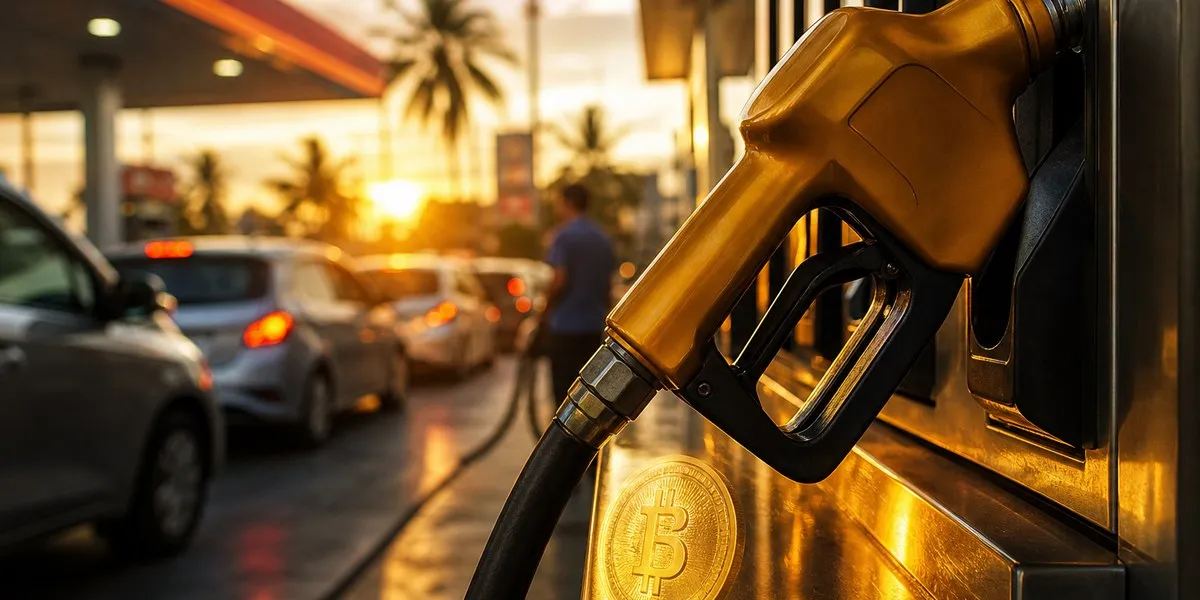
The Thai government has approved the use of 6.7 billion baht from the Energy Conservation Fund to curb rising fuel prices for consumers. The country’s Finance Ministry approved the decision on October 22, Bangkok Post reports, citing an energy-sector official.
First tranche of planned funds
The 6.7 billion baht is the first tranche of a planned withdrawal of 14 billion baht from the Energy Conservation Fund. The initial funds are planned to be spent this year, while further financing may be considered for expenditures in 2027.
The fund is financed by a levy of 0.05 baht on every litre of fuel sold. It was established to support energy conservation and efficient energy use. At the same time, officials acknowledged that 6.7 billion baht would not be enough to fully offset fluctuations in global oil prices.
More current news is available on the UA.News Telegram channel Telegram.
Change in the pricing approach
Meanwhile, Energy Minister Akanat Promphan introduced additional measures on October 28 to reduce gross refining margins and slow the rise in domestic fuel prices. The Energy Policy Administration Committee also instructed the country’s six oil refineries to recalculate ex-refinery petroleum product prices.
Under the new approach, domestic fuel prices will no longer be based on Singapore benchmarks for petroleum product prices. According to the minister, the current pricing formula has included costs since 2004 that he described as unjustified; in his estimate, they cost consumers about 10.8 billion baht annually.
Thailand’s state Fuel Fund has accumulated about 105 billion baht in debt due to measures aimed at stabilising domestic energy prices. The government is seeking to limit the impact of volatile global oil prices, but its capacity for new borrowing is constrained by the requirement to keep public debt below 70% of GDP.




