
OBR cuts UK economic growth forecast for 2027 — The Guardian
The UK Office for Budget Responsibility (OBR) has cut its forecast for British economic growth in 2027 from 1.6% to 1%. At the same time, it raised its growth estimate for 2026 from 1.1% to 1.2%. As The Guardian reports, the revised forecast was published alongside the presentation of Chancellor John Healey’s first budget.
Inflation and household incomes
The OBR expects consumer inflation to stand at 3.5% in 2026, although in March it forecast it at 2%. The independent office also worsened its assessment of living standards: real disposable income per person, adjusted for inflation, is expected to decline in the short term and then rise only moderately by the end of the current parliamentary term.
According to the OBR’s estimate, income levels in the early 2030s will be about 2% higher than before the pandemic. The office linked pressure on households and businesses to rising energy prices amid the war in the Middle East.
More current news is available on the UA.News Telegram channel Telegram.
Budget measures and borrowing
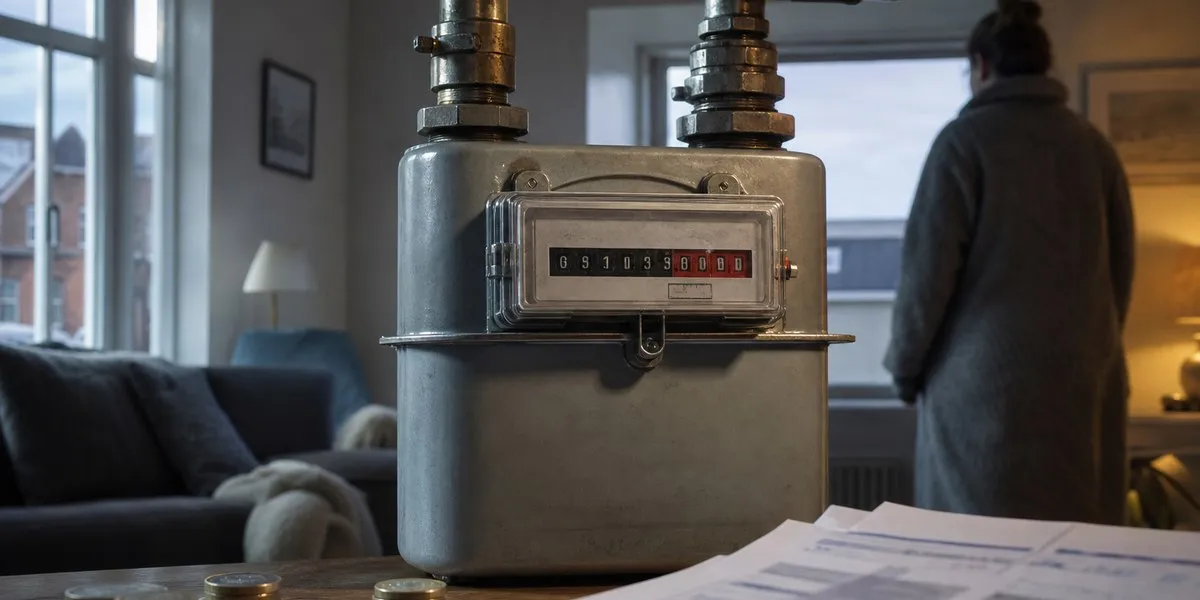
John Healey announced a £100 payment for 20 million households. The cost of this programme to the Treasury is estimated at £2.6 billion. The government also plans to abolish the fixed charge in gas bills and temporarily raise the tax on banks to finance the energy support package.
The Chancellor left £15 billion of headroom against the main fiscal rule, under which current spending must be covered by tax revenues in three years. In spring, the previous Chancellor, Rachel Reeves, left £23.6 billion of headroom. The OBR forecasts that public borrowing will decline to about 2% of GDP in the medium term, although this will happen more slowly in the coming years than previously expected.
The office stressed the high uncertainty of its forecasts. According to its calculations, if energy prices rise more sharply and for longer than in the baseline scenario, public borrowing in 2027 could be £17 billion higher. Under a lower price path, it could fall by £12 billion.




