
Gamma-delta T cells destroyed SCLC in the laboratory — ScienceAlert
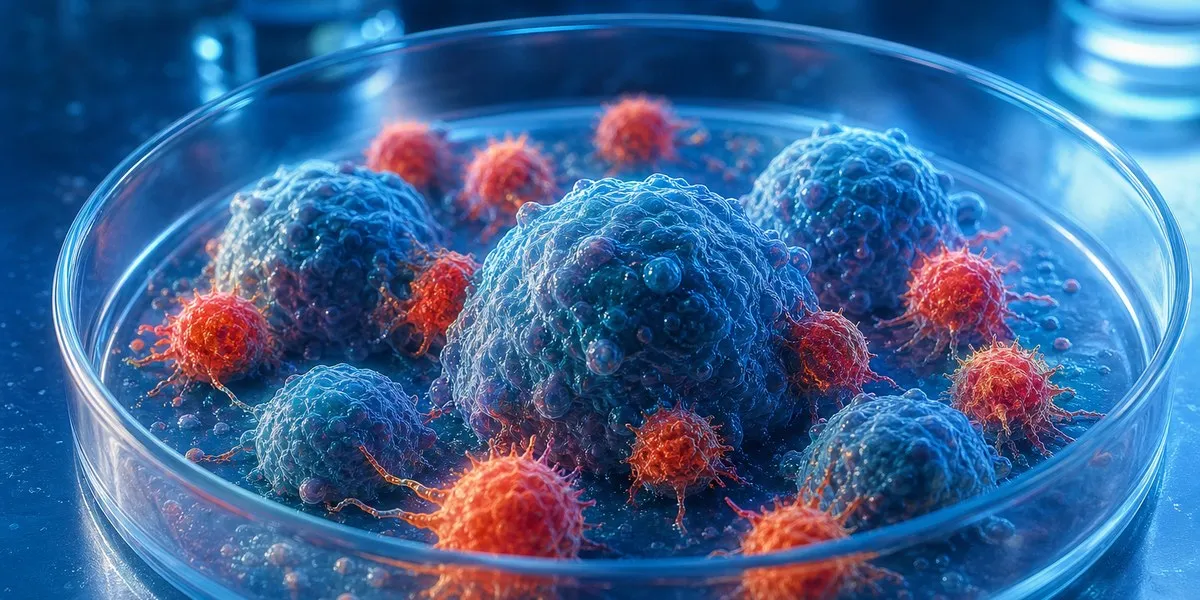
An international group of researchers found in laboratory tests that gamma-delta T cells can effectively destroy small-cell lung cancer (SCLC) cells. Their effect was significantly enhanced when combined with the drugs tarlatamab and zoledronate, ScienceAlert reports.
An alternative pathway of immune response
Small-cell lung cancer is a particularly aggressive form of the disease: fewer than 7 out of 100 patients survive for five years. One way this type of tumor evades treatment is through its ability to hide from the immune system.
Scientists analyzed data from two previous clinical trials of SCLC immunotherapy — IMpower133 and CASPIAN. Patients whose tumors showed signs of higher numbers of gamma-delta T cells often had better treatment outcomes. The researchers consider this compelling evidence that such cells are present in small-cell lung cancer and can counteract the disease.
More current news is available on the UA.News Telegram channel Telegram.
Combination with existing drugs
In their own laboratory experiments, the team found that gamma-delta T cells act against cancer cells even without additional agents. Tarlatamab helped bring immune cells closer to their targets, allowing them to attack more SCLC cells.
Zoledronate, which is already used to treat osteoporosis and cancer-related bone diseases, increased the number of immune cells and helped them recognize tumor cells. The researchers also suggest that the level of gamma-delta T cells in a tumor and the presence of the BTN2A1 molecule may in the future help predict the response to immunotherapy.
In the future, the scientists consider growing a patient's gamma-delta T cells outside the body and then returning them to enhance the immune response. The next stages of the research are expected to be tests in animal models, followed by clinical trials involving patients. The results of the work were published in the journal Cancer Cell.




