
Lahore court gives 4 weeks to fulfill promise to abolish slips — Dawn
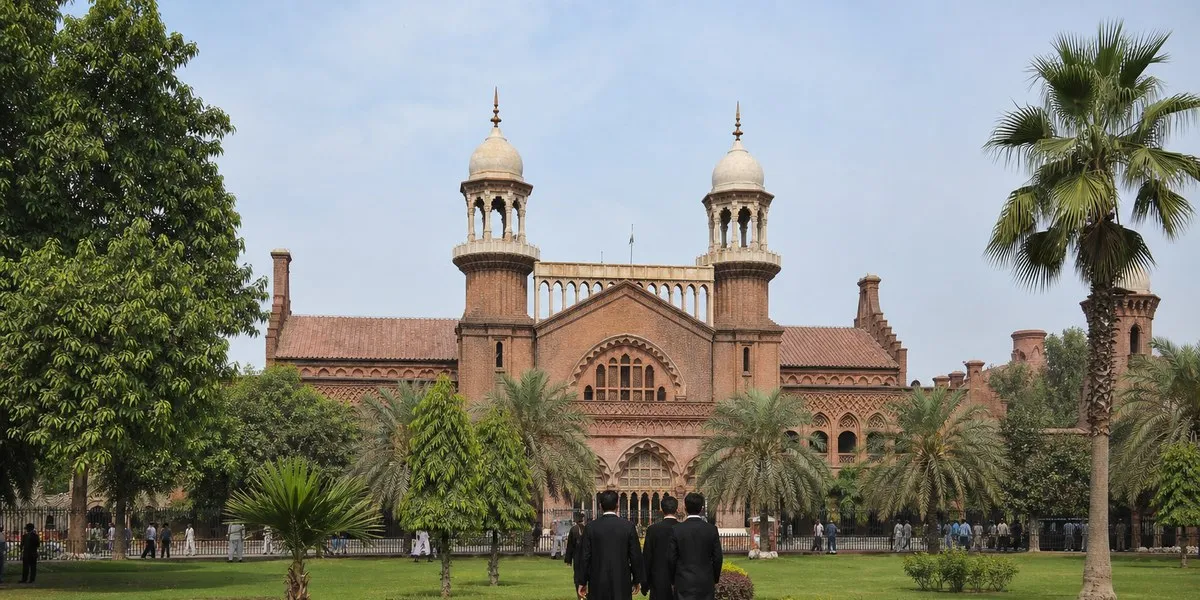
The Lahore High Court in Pakistan has ordered the Punjab provincial government to ensure within four weeks that it fulfills its commitment to abolish the “parchi” system — registration slips — in all public hospitals. The authorities must also submit a detailed implementation report to the court with documentary evidence.
Lawsuit has been heard since 2020
Justice Malik Javed Iqbal Wains heard a public-interest petition filed in 2020 by the Judicial Activism Panel through its chairman, Azhar Siddique. The petitioner seeks to ensure fundamental rights under Articles 4 and 9 of Pakistan’s Constitution, as well as compliance with higher court rulings on basic healthcare services at public-sector hospitals.
During the hearing, Special Secretary for Health Nabila Irfan appeared before the court in place of the provincial secretary of the Specialized Healthcare and Medical Education Department. She requested additional time to prepare a comprehensive report on the availability, adequacy and standard of medical services at public hospitals.
More current news is available on the UA.News Telegram channel Telegram.
As Dawn reports, Irfan assured the court that emergency and outpatient patients would receive prompt care without first having to obtain a slip at the registration counter or stand in long queues.
Patient management system
The health official also said that the department would introduce a modern technology-based patient management system. According to her, it is intended to streamline examinations and treatment and eliminate delays and crowds at registration counters.
The judge noted that the case has been pending since 2020, but despite notices and specific court directions, none of the respondents has yet submitted a compliance report. He warned that further non-compliance without lawful grounds could be seriously considered, and proceedings under the law could be initiated against officials failing to perform their duties. The next hearing was adjourned for six weeks.




