
Peptide EVYR discovered in Japan during dulse digestion — News-Medical
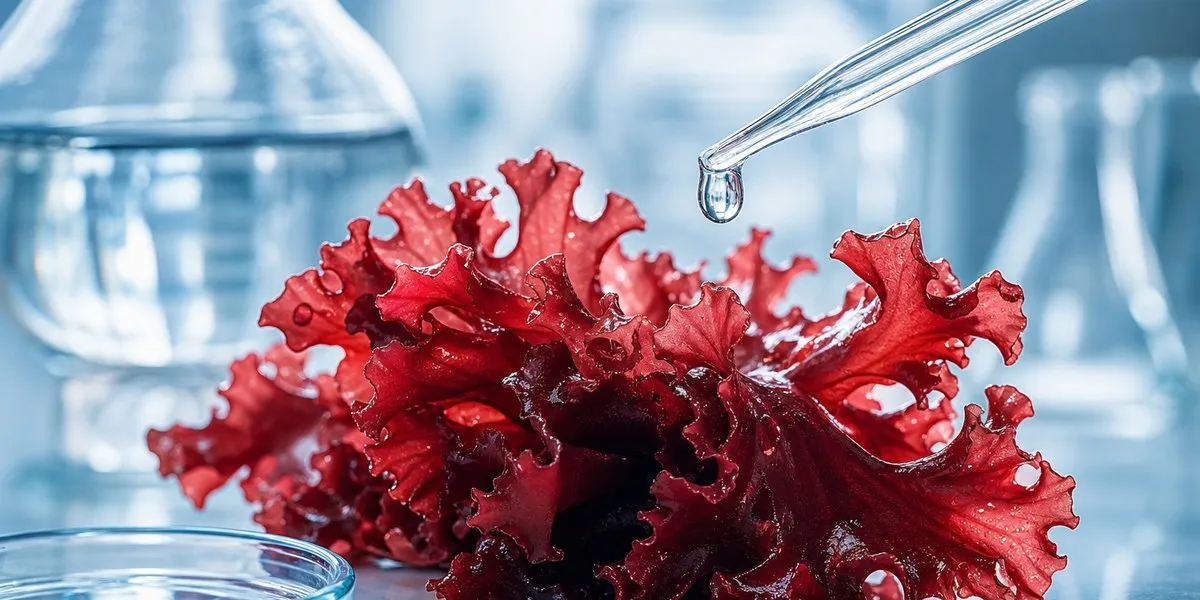
Scientists at Hokkaido University in Japan have discovered the peptide EVYR, which is released during the digestion of the edible red alga dulse, Devaleraea inkyuleei. Under laboratory conditions, this compound inhibited the enzyme dipeptidyl peptidase IV, or DPP-IV, which may be important for regulating blood glucose levels. News-Medical reports on the results of the study, published in the journal Food Bioscience.
How the EVYR peptide works
The researchers recreated the human digestion process in the laboratory and analyzed dulse, a red alga that grows in the cold coastal waters of Hokkaido. During this process, EVYR, which consists of four amino acids, was released.
After a meal, blood glucose levels rise, and the pancreas secretes insulin, which helps cells absorb glucose to produce energy. The DPP-IV enzyme breaks down hormones that stimulate insulin secretion. According to the researchers, inhibiting DPP-IV with the EVYR peptide may maintain the activity of these hormones for longer.
More current news is available on the UA.News Telegram channel Telegram.
The amount of the peptide still needs to be assessed
The team used liquid chromatography-tandem mass spectrometry to measure the amount of EVYR produced during the in vitro digestion of dulse powder. This allowed the scientists to quantify the bioactive peptide formed from the alga.
Protein sequence comparisons and computer modeling also showed that EVYR could potentially be released during the digestion of other red algae. The study's authors note that further research must determine whether the amount of peptide produced in the human body is sufficient to affect blood glucose levels.




