
US bagged salad purchases fell 3.89% during Cyclospora outbreaks — News-Medical
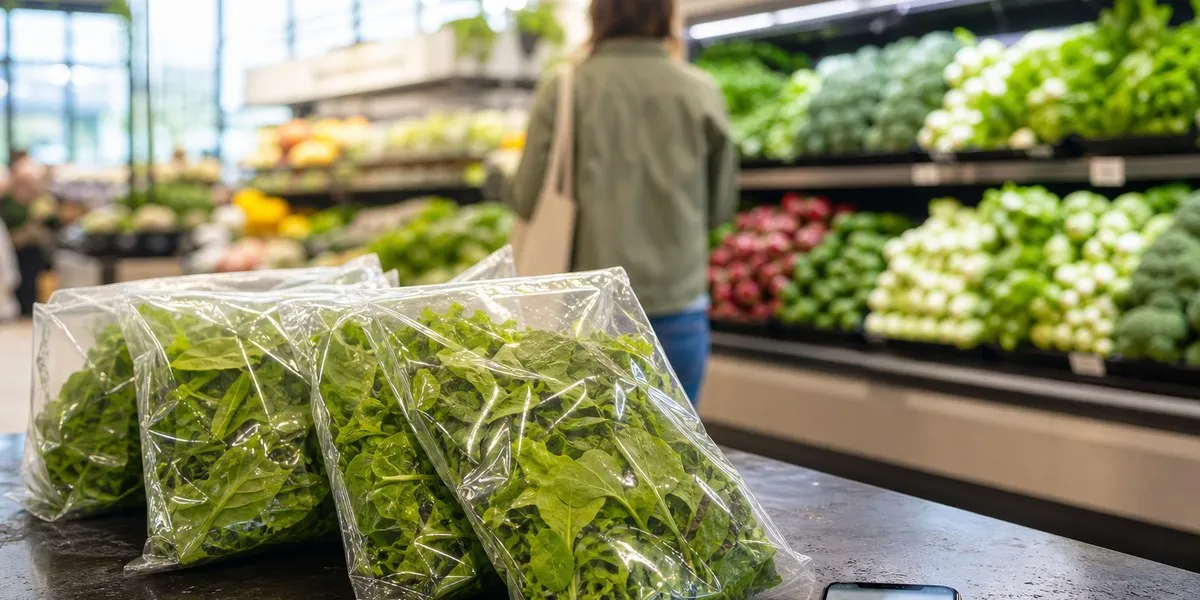
In the United States, weekly purchases of bagged salads were on average 3.89% lower during cyclosporiasis outbreaks and product recall periods. Researchers estimated approximate retail losses at about $374 million.
As News-Medical reports, the study was conducted by scientists from Ohio State University and the University of Florida. They analyzed household purchase data and Google search activity for the query “Cyclospora” across 210 US media markets in 2018–2022.
The impact of media attention
The authors used search volume as an indicator of public attention to media reports, health authority warnings, and social media discussions. The largest decline in purchases was associated specifically with searches for Cyclospora, while general salad-related searches had a much weaker relationship with changes in demand.
Purchases declined not only in states where an outbreak was recorded, but also in states without a registered outbreak if they were part of the same media market. At the same time, the researchers found no significant supply restrictions by retailers during outbreak or recall periods. According to the authors, this indicates that the decline in demand was more likely linked to food safety concerns than to the absence of products on shelves.
More current news is available on the UA.News Telegram channel Telegram.
The largest losses in 2018 and 2020
The study covered six major multistate outbreaks, four of which were linked to salad products. Together, they accounted for 2,157 cases of illness — 65% of the 3,344 outbreak-associated cyclosporiasis cases recorded in the National Outbreak Reporting System in 2018–2022.
The largest retail losses were associated with the outbreaks of 2018 and 2020 — $79 million and nearly $190 million, respectively. The 2020 salad-linked outbreak was the largest in the sample and accounted for 771 cases of illness, but search-query intensity was higher in 2018. The authors noted that media attention in 2020 was largely focused on the COVID-19 pandemic.
The parasite Cyclospora cayetanensis, which causes cyclosporiasis, can survive standard chlorine washing at processing facilities and remain in soil or water for months. The infection can cause watery diarrhea, abdominal cramps, bloating, and loss of appetite.




