
Goldman Sachs finds longer job searches after loss of AI-vulnerable jobs — Fortune
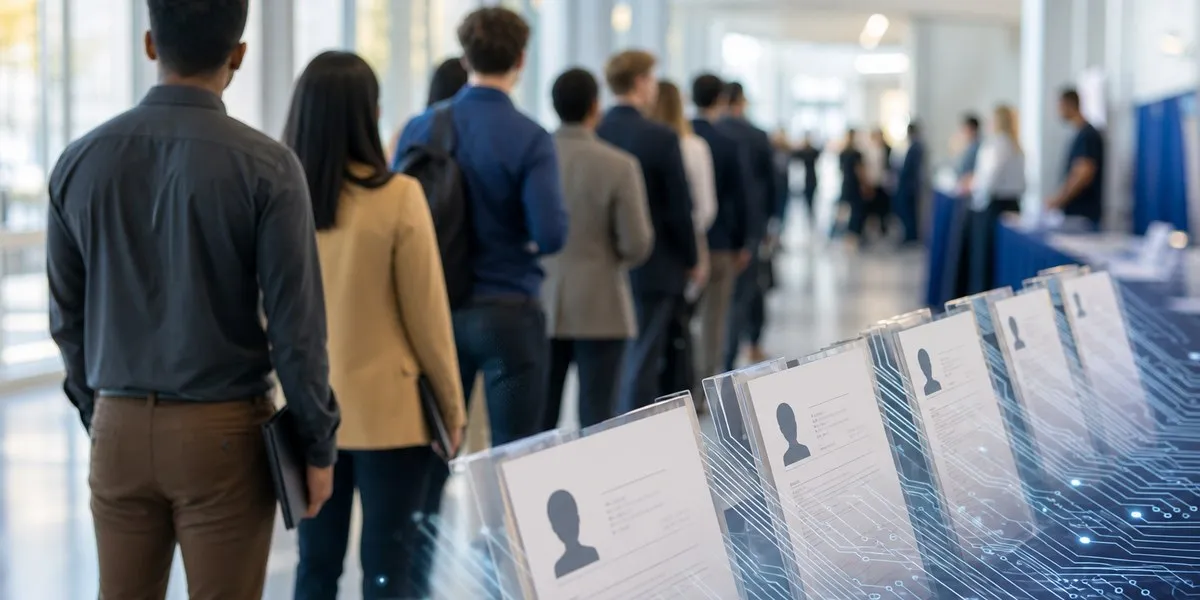
In the United States, workers who lost jobs with a high level of artificial intelligence exposure starting in 2025 searched for new work about one month longer than other laid-off workers. Their likelihood of remaining unemployed a year after dismissal was about 10 percentage points higher, Fortune reports, citing a Goldman Sachs study.
Goldman Sachs economist Pierfrancesco Mei noted that the scale of these effects is comparable to previous waves of technological change. The bank studied data on workers who lost their jobs due to technological changes starting from 1979. Previous analysis showed that their real incomes grew more slowly and that the risk of recurring unemployment remained higher for a long time.
Gap for workers aged 35 and older
According to Goldman Sachs estimates, workers aged 35 and older whom the bank classified as likely displaced by AI needed about five additional weeks to return to full employment. For people under 35, this gap was about three weeks.
More current news is available on the UA.News Telegram channel Telegram.
Data from the U.S. Bureau of Labor Statistics also show an age difference among all laid-off workers. Among those who had worked at their previous job for at least three years, 72.9% of people aged 25 to 54 were working again by January 2026. For the 55–64 age group, the figure was 57.3%, and for workers aged 65 and older, it was 38.6%.
How the likely impact of AI was determined
Goldman Sachs analyzed more than 15,000 workers who lost their jobs between 2016 and 2025, using data from the Current Population Survey supplement. The survey does not include a direct question about whether the use of AI caused a dismissal. Therefore, the bank created an indicator that took into account the level of AI exposure in an occupation, the level of AI adoption in an industry, and whether a position was eliminated.
The top 30% of workers by this indicator were classified as likely displaced by AI. For layoffs before 2023, Goldman Sachs found no significant difference between this group and other laid-off workers. At the same time, researchers at Stanford's Digital Economy Lab said they do not see mass displacement of workers by AI across the economy, although they linked the employment gap among young people aged 22–25 in the most AI-vulnerable occupations primarily to reduced hiring.




