
Saizeriya to raise prices in Japan by an average of 6% — The Japan Times
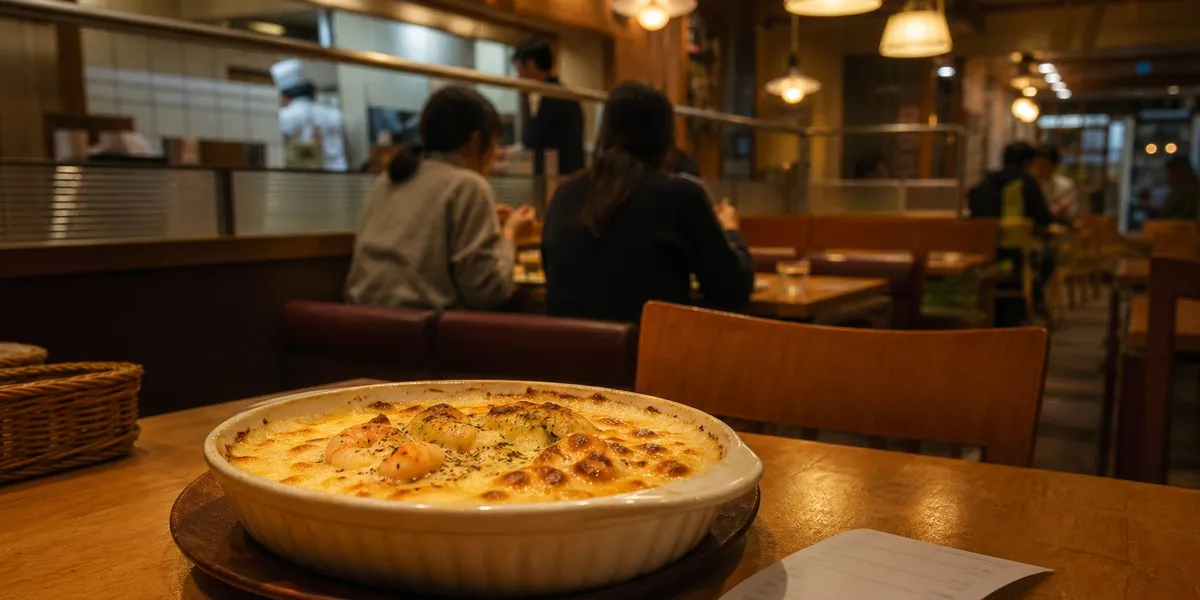
Japanese family-style Italian restaurant chain Saizeriya will raise prices by an average of 6% this month. At locations with higher operating costs, prices will rise by 10%. The decision is linked to rising raw material and energy costs, The Japan Times reports.
First large-scale increase
Saizeriya CEO Hideharu Matsutani said on October 14 that the company is forced to revise its prices. According to him, there is currently no other option, and if some customers are lost, the company will acknowledge that it failed to retain them.
In 2020, the chain already changed prices during the COVID-19 pandemic, rounding them to reduce coin circulation. However, the current revision will be the first comprehensive price increase since Saizeriya became a public company in 1998. Prices will also differ depending on the restaurant's location for the first time.
In particular, the price of its signature Milanese doria will rise from 300 to 320 yen. For a long time, the chain kept the price of this dish at 300 yen, cutting costs through waiter robots, its own vegetable farms and processing facilities.
More current news is available on the UA.News Telegram channel Telegram.
Cost pressure and company forecasts
Food industry analyst Daisuke Miwa linked the company's difficulties to rising oil and fuel prices amid the situation in the Middle East and other geopolitical factors. In his assessment, the cost of transporting goods is already difficult to offset through cost-cutting measures alone.
The profitability of Saizeriya's restaurant business in Japan stood at 3% as of August in fiscal 2026. At the same time, the company forecasts income growth of 21.3% in 2027 due to restaurant openings in Japan and abroad, as well as an upward trend in domestic sales.
The company continues to seek new suppliers and improve its supply chains. Miwa noted that if the cost of purchasing ingredients, including olive oil, rises significantly, the chain may need to change its menu, which could affect customer satisfaction.




