
UK shop price inflation rises to 2.1% — The Guardian
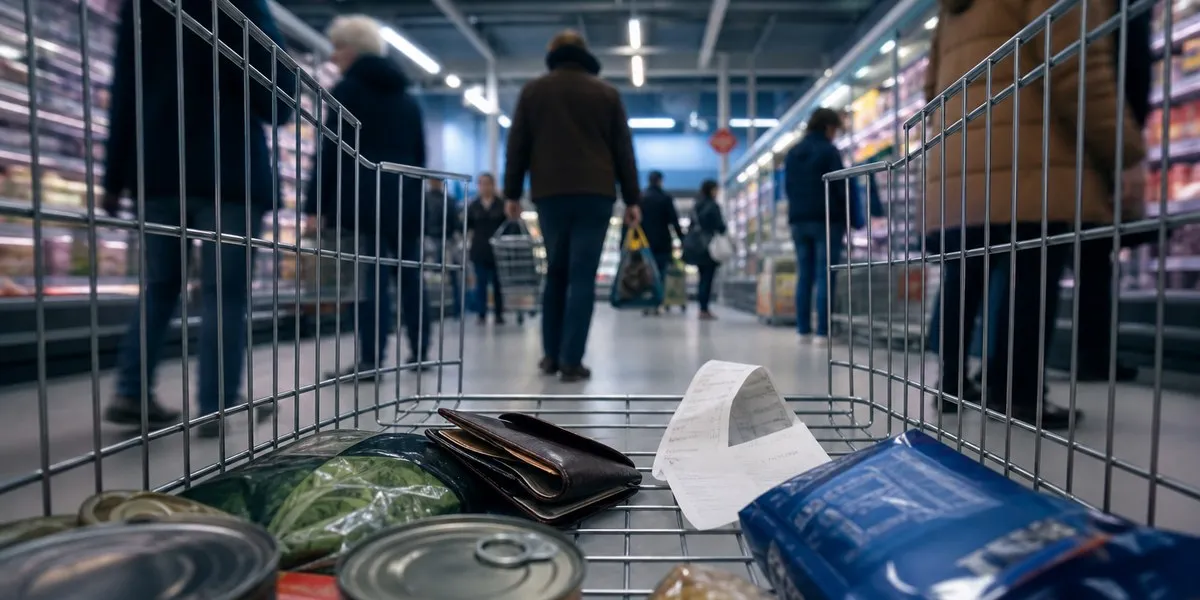
In the United Kingdom, annual shop price inflation accelerated to 2.1% in October, compared with 1.4% in September. This is the highest reading in two and a half years, The Guardian reports, citing the British Retail Consortium (BRC).
The BRC said retail chains had begun passing on to shoppers some of the costs that they had previously largely absorbed. These include rising energy costs and food ingredient prices.
According to BRC chief executive Helen Dickinson, retailers have absorbed a significant amount of additional costs over the past two years. She noted that supermarkets are finding it increasingly difficult to limit price increases for canned and packaged goods.
Food and non-food goods are becoming more expensive
Annual food inflation stood at 2.9% in October, following 2.5% a month earlier. Inflation in prices for non-food goods, including clothing and footwear, more than doubled from 0.8% to 1.7% year on year.
More current news is available on the UA.News Telegram channel Telegram.
Dickinson also said that ahead of Halloween, retailers actively used discounts to attract shoppers. However, this did not make it possible to fully contain rising prices for goods on supermarket shelves.
Pressure on households
Until October, retail chains had mostly absorbed higher raw material costs due to weak demand. According to surveys, consumer confidence in Britain has fallen sharply since the summer.
A separate long-term study by Ruth Patrick, professor of social and public policy at the University of Glasgow, showed the impact of the cost of living on low-income families. Among participants in the Changing Realities project, 73% had bought goods from the reduced-price section over the past month, 62% had changed their food basket, and 63% had not turned on heating even in cold weather.
Patrick also pointed out that high petrol and diesel prices particularly affect families that need a car to transport children with disabilities to school and medical appointments, as well as workers who drive to work.




