
In Bonn, blood cells were turned into younger neural stem cells — ScienceAlert
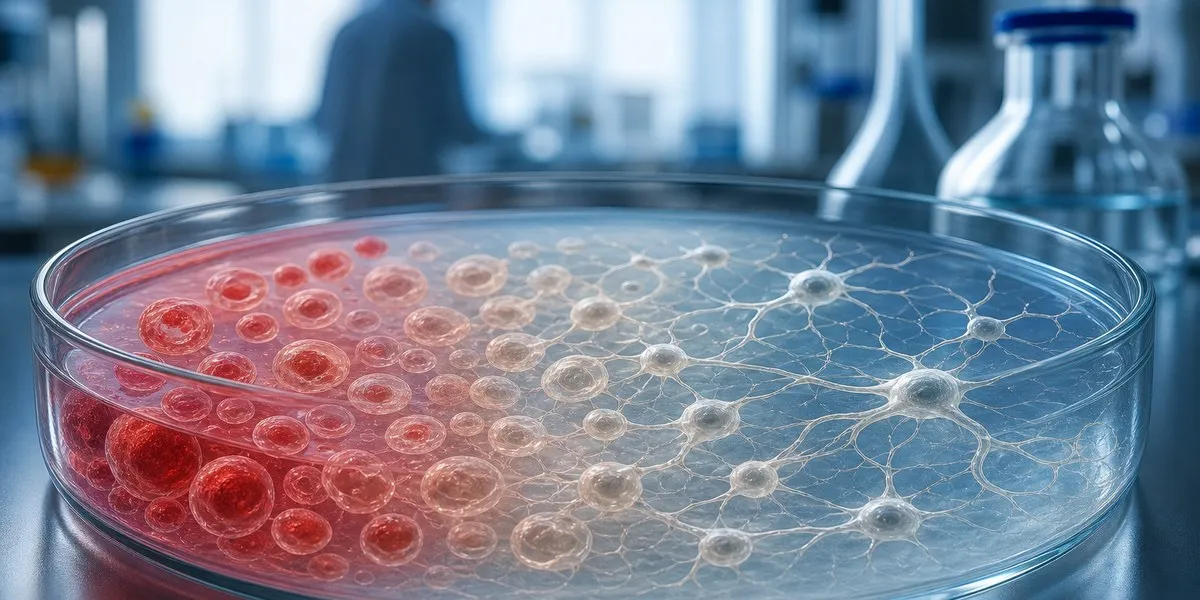
Researchers at the University Hospital Bonn and the University of Bonn in Germany transformed erythroid progenitor cells into induced neural stem cells. During further cultivation, their epigenetic age continued to decline. ScienceAlert reports on the results of the study, published in the journal Aging Cell.
Direct cell reprogramming
The scientists used cells from 15 donors ranging in age from newborns to 101 years old. They took erythroid progenitor cells and used a virus to deliver two transcription factors into them — proteins that regulate gene activity. This approach enabled the direct conversion of cells without returning them to a pluripotent, embryo-like state.
About 12 days after the viral vector was introduced, the cells began to lose blood-specific proteins and acquire characteristics of neural cells. To assess the changes, the researchers used DNA methylation analysis and RNA sequencing.
More current news is available on the UA.News Telegram channel Telegram.
Reduction of epigenetic age
Initially, the epigenetic age of the original cells was closely linked to the donors' actual age. After reprogramming, this indicator decreased more slowly than with methods involving an intermediate return to pluripotent cells, but the process continued for 50 to 100 days. Ultimately, the epigenetic age of the induced neural stem cells reached approximately 5% of the donor's age, while most age-related epigenetic markers were reset in about 50 days.
The authors also recorded less DNA damage and lower mitochondrial toxicity, as well as changes in protein expression and the cells' recycling capacity. Rejuvenation continued even under conditions that suppressed cell division. At the same time, the researchers noted the study's limitations: possible mathematical errors in rejuvenation assessment models, the absence of naturally aged neural stem cells for comparison, and a likely difference between cell behavior in vitro and in a living organism.




