
The Cabinet of Ministers has decided against raising taxes in the 2027 budget
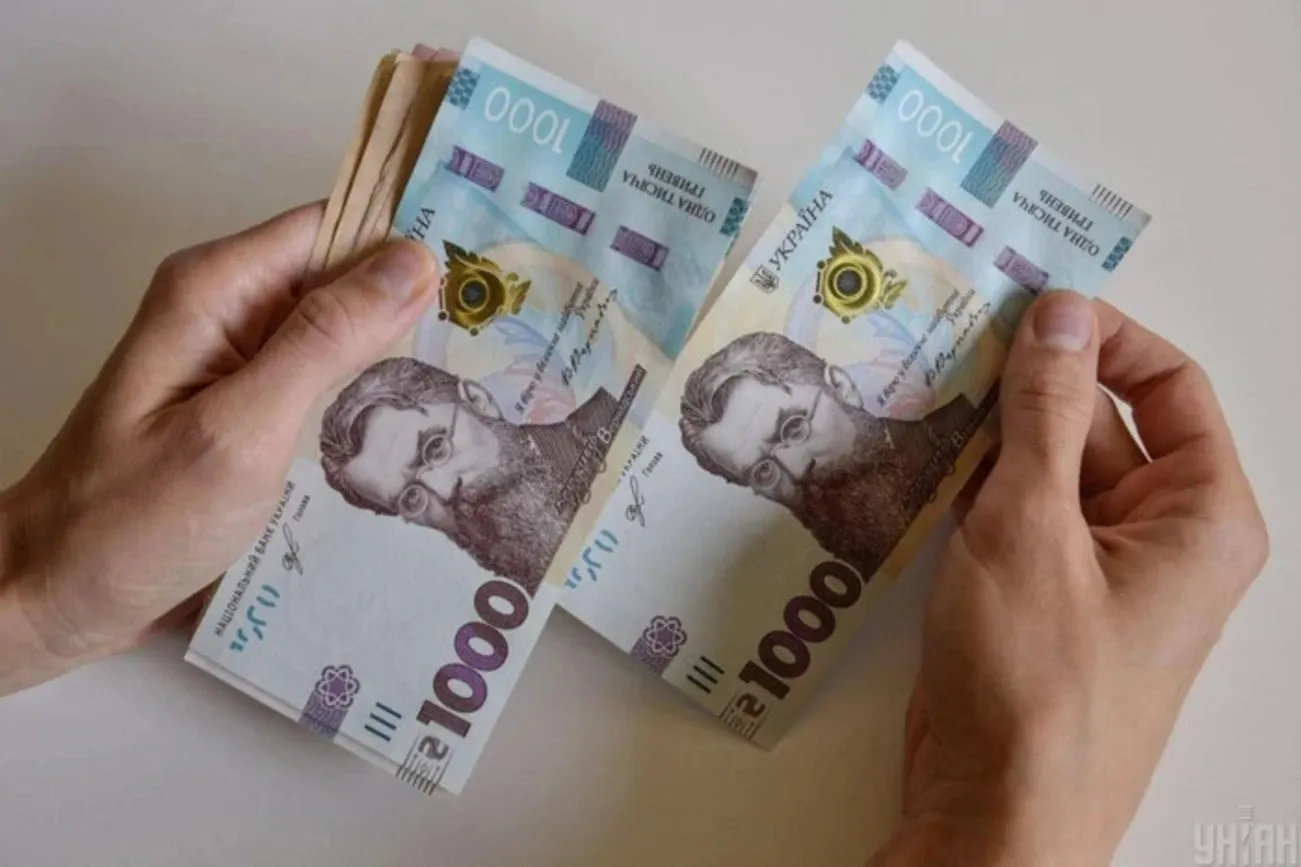
On November 27, 2026, the Cabinet of Ministers approved the revised draft state budget for 2027. Plans to raise the VAT and excise taxes were removed from the document, and projected revenues and expenditures were revised. At the same time, the government increased funding for defense, military risk insurance, education, and support for veterans.
Roksolana Pidlasa, a member of parliament and chair of the parliamentary committee on budget issues, announced the changes to the budget draft. According to her, the government removed provisions regarding increases in value-added tax (VAT) and excise tax rates from the document. The reason: this initiative did not receive sufficient support in the Verkhovna Rada.
The decision not to raise taxes affected the forecast for state revenues. Specifically, the government removed 67 billion hryvnias from projected revenues that were expected to be generated by the change in tax rates. Additionally, nearly 65 billion hryvnias were excluded from the revenue forecast related to the de-shadowing of customs.
Podlasa explained that customs was unable to exceed its revenue target for the current year. Therefore, the government no longer includes these funds in the budget as a guaranteed source of financing. “This year, the customs service was unable to exceed its total revenue targets, and consequently, there were no revenues from this source and none are expected. If customs does exceed its targets in 2027, these funds will be allocated retroactively to the defense reserve program,” noted the chair of the Budget Committee.
Overall, the forecast for the state budget’s own revenues, excluding grants, has been reduced by 49 billion hryvnias. At the same time, the government has revised other revenue sources and increased the expected amounts for several items:
- 36.3 billion hryvnia — profit of the National Bank of Ukraine;
- 25.7 billion hryvnia — personal income tax and military levy;
- 14 billion hryvnias — royalties for the use of subsoil resources of national importance;
- 2.1 billion hryvnia — import duties.
How Much International Aid Does Ukraine Need?
Despite changes in revenue forecasts, Ukraine’s need for international financing remains at $52.6 billion. These funds are necessary to cover government expenditures that cannot be met by domestic revenues.
Pidlasa specifically highlighted additional aid from the European Union totaling 45 billion euros. These funds can only be allocated to the state budget following an official decision by the European Council. According to preliminary estimates, this decision may be adopted in June 2027. “We will be able to include the additional aid from the EU (45 billion euros) in the budget only after an official decision by the European Council, tentatively in June 2027,” the lawmaker explained.
Therefore, this money is not yet considered a guaranteed source of funding. Whether it is received will depend on future decisions by our European partners.
What Will Change in Social Benefits and Business Support
The government also plans to revise legislation that links the amounts of various social benefits to the subsistence minimum and the minimum wage. According to Pidlasa, the current system creates a situation where an increase in social standards automatically affects payments to government employees. The changes are intended to decouple these indicators. This will allow for future increases in social standards without simultaneously raising the salaries of government employees solely due to changes in the subsistence minimum or the minimum wage.
A separate decision concerns the “National Cashback” program. Starting in 2027, it will no longer be funded through the business support program. At the same time, the government must pay off outstanding debts to program participants for May–December 2026. Changes are also planned for the agricultural sector. State compensation for the cost of constructing and renovating livestock farms is set to increase from 50% to 75%. In other words, the government will cover the majority of the costs for such projects.
The government is also expanding the mechanism for compensating for war risks. It is intended to cover not only certain categories of property owners but also ship owners, operators, and charterers. This is important for businesses operating under conditions of military threat and at risk of losing property due to Russian attacks.
Where the government allocated the most funds
The largest changes in spending relate to defense, war risk insurance, and the reserve fund. In total, the government has reallocated tens of billions of hryvnias to meet these needs and finance specific social and infrastructure programs. The largest additional allocations were made in the following areas:
- 30 billion hryvnia — additional funding for war risk insurance;
- 20.4 billion hryvnias — support for the Armed Forces of Ukraine, primarily cash payments to military personnel;
- 13.4 billion hryvnias — replenishment of the reserve fund;
- 2 billion hryvnias — a pilot project to reform teacher compensation;
- 2 billion UAH — procurement of weapons for the Armed Forces of Ukraine;
- 1.3 billion UAH — equipping shelters in schools and kindergartens;
- 1 billion UAH — creation of a network of campuses of excellence based at state universities as part of the CampeX initiative;
- 970.7 million UAH — support for research institutions of the National Academy of Sciences;
- 801.9 million UAH — support for veterans and their families;
- 800 million UAH — support for farmers;
- 717 million UAH — providing housing for family-style children’s homes;
- 536 million UAH — additional payments to employees of the fuel and energy sector, housing and utilities, and the railways who are addressing the aftermath of accidents caused by Russian shelling;
- 450 million UAH — for the purchase of medicines.
Separately, the government is significantly increasing the reserve fund. After the amendments are enacted, its total volume is expected to reach 105 billion UAH. These funds are intended to finance the state’s unforeseen needs, particularly those arising from the war and emergencies.
Another major change involves funding for war risk insurance. This funding will be increased from 1 billion UAH to 31 billion UAH. This should help businesses and other economic actors protect their property and operations from the consequences of hostilities.
When the Verkhovna Rada Will Vote on the Budget
Following the Cabinet of Ministers’ decision, the revised draft state budget must be reviewed by parliament. According to Roksolana Pidlasa, a meeting of the Verkhovna Rada’s Budget Committee is expected at the end of next week.
The vote on the 2027 state budget in the second reading is scheduled for December 9, 2026. It is during this review that lawmakers are expected to finalize the figures for the country’s main financial document. It is important to note that the government’s decision does not yet mean the budget has been definitively adopted. The draft must still go through the parliamentary process and receive the support of members of parliament. This is according to a statement by Roksolana Pidlasa, a member of parliament and chair of the parliamentary budget committee.
Under the procedural guidance of prosecutors from the Office of the Prosecutor General, more than 78 million hryvnias in unpaid income tax were remitted to the state budget.
Bill No. 16232 has been registered in the Verkhovna Rada; it provides tax incentives for companies where war veterans make up at least 30% of the total workforce.




