
Mushroom Hunter's Calendar for November 2026: What to Pick and When
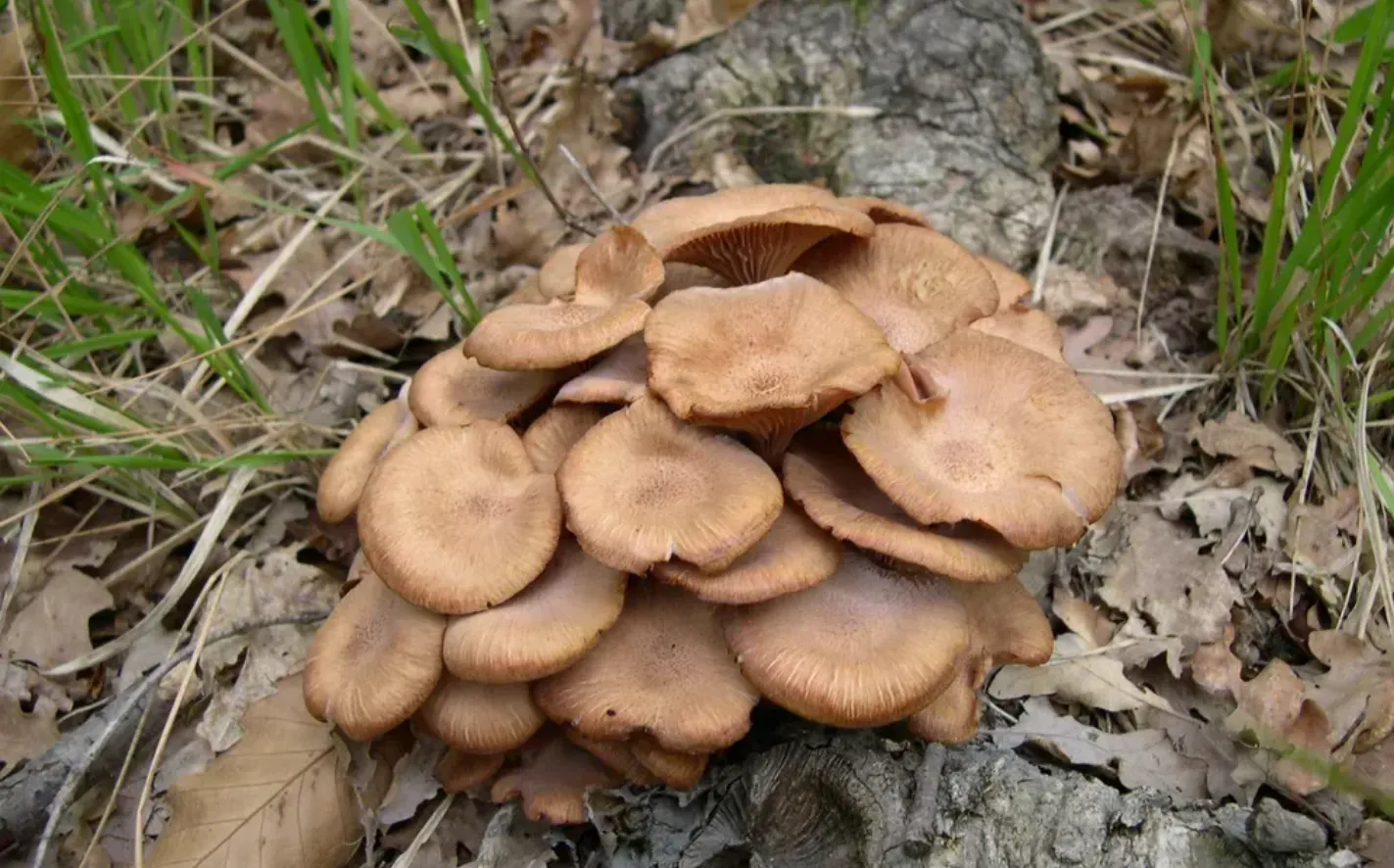
November 2026 is characterized by a combination of late-fall weather conditions (nighttime frosts, damp fogs, and daytime thaws) and lunar phases, which directly influence mycelial activity.
The period of the waning Moon and the first frosts (November 1–9, 2026)
During the first ten days of the month, as the Moon wanes and temperatures drop, the soil gradually cools, though a crop of cold-tolerant species still persists in damp lowlands and forests.
November 1–5: A favorable time to visit deciduous and mixed forests. During these days, it is effective to forage for common oyster mushrooms on old tree trunks and stumps, as well as purple row mushrooms on the forest floor.
November 6–9: The period before the new moon, with increasing nighttime frosts. It’s best to head to pine forests and sandy forest edges in search of green mushrooms and greenish mushrooms, which are well protected by coniferous litter.
The New Moon Period and the Transition to Winter Species (November 10–16, 2026)
The new moon falls on November 10. At this time, soil fungi cease growing, while wood-decaying fungi—capable of thriving at low temperatures—become active.
November 10–13: The days of the new moon and the beginning of the waxing moon. Above-ground foraging ceases. This is the ideal time to check old willow and poplar stumps, cluttered ravines, and forest edges in search of the first colonies of winter honey mushrooms (flamulinus).
November 14–16: Days with slight daytime warming. It’s worth checking shaded areas of mixed forests for late Hygrophorus mushrooms and remnants of row mushrooms.
The waxing moon phase and the peak of winter honey mushrooms (November 17–30, 2026)
The waxing moon (with a full moon on November 24) brings moisture and periodic thaws, creating optimal conditions for the mass growth of flammulina.
November 17–23: The most productive week of the month for harvesting on wood. Following daytime thaws, winter honey mushrooms and late oyster mushrooms appear in large numbers on stumps, fallen deciduous tree trunks, and along forest trails.
November 24–30: The period following the full moon as the season gradually comes to a close. Gather the remaining winter honey mushrooms in areas sheltered from cold winds, deep ravines, and park areas where the ground doesn’t freeze deeply.
Features of the mushroom season in November
Throughout the first half of November, late-fall species continue to fruit sporadically, while the second half of the month marks the end of the active season, leaving room only for cold-hardy mushrooms. Night frosts harden the mushrooms, preventing them from becoming worm-eaten. The best mushroom spots can be found in wind-sheltered mixed and coniferous forests, ravines, and near old wood.
Main Species of the November Harvest
Late and winter honey mushrooms (Flamulina) — grow on old stumps, fallen trunks of deciduous trees, and along forest trails. Winter honey mushrooms grow at the lowest above-freezing temperatures and during thaws after the first snowfalls, forming yellow-orange colonies.
Common oyster mushrooms — found on the trunks of living and damaged trees (willows, poplars, oaks) in forests and park areas. They tolerate cold spells and form multi-tiered clusters with fleshy caps.
Green mushrooms and green-tipped mushrooms—prefer dry pine forests and sandy soils. They hide in pine needles or sand, retaining firm flesh even after frosts.
Purple row mushrooms—inhabit coniferous and mixed forests, appearing in rows among fallen pine needles. They have a purple hue and a pleasant aroma.
Late Hygrophora — grow in pine forests and appear in late fall. They are characterized by a slippery cap and firm flesh suitable for pickling.
Rules for Harvesting and Preparing the Harvest
It’s best to pick mushrooms in November in the middle of the day, when the morning frost has subsided and the sun is warming the ground. Cut or twist the mushroom off carefully, without damaging the mycelium. Place only those specimens in the basket whose edibility is beyond doubt. Do not pick mushrooms that are frozen solid or covered in ice, and avoid searching for mushrooms near highways and industrial areas. The harvested mushrooms must be sorted, washed, and cooked on the same day they are picked.




