
Winemaker's Calendar for November 2026: Harvesting Late Varieties and Seasonal Tasks
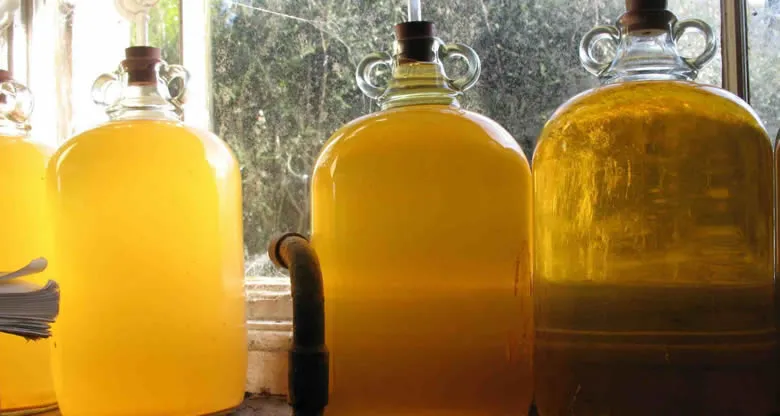
November is a culminating and extremely crucial month in a winemaker’s annual cycle. It is the time when the harvest of late-ripening and wine-making grape varieties is completed, late apples, quinces, and quince-apple blends, as well as the transition from the active fermentation phase to clarification, stabilization, and the placement of young wines for quiet aging. Falling temperatures and autumn frosts create unique conditions for work in the wine cellar and in the vineyard.
The month of November demands the winemaker’s utmost attention, as this is precisely when the future bouquet, clarity, and balance of the young wine take shape. Maintaining the proper temperature, timely racking off the lees, and properly preparing the vines for winter are key to producing a high-quality wine from the new harvest.
Features of Winemaking in November
Throughout November, late-harvest technical grape varieties resistant to frost are harvested, as well as sun-dried berries for making dessert and ice wines (Icewine). The main task during this period is to monitor the completion of malolactic fermentation, remove the wine from the yeast sediment in a timely manner, and ensure that containers are airtight to protect against oxidation.
A winemaker’s November schedule extends beyond grapes, as this is the time for processing late-season apples and quinces to produce ciders and aromatic fruit and berry wines. Regulating the temperature in the cellar, maintaining containers, and preserving equipment significantly impact the preservation of the wine collection.
Main types of November tasks for a winemaker:
1. Harvesting late-season and frost-kissed grapes—hand-picking bunches after the first frosts to create full-bodied and dessert wines.
2. Monitoring secondary fermentation—measuring the density and sugar content of the must, and maintaining the optimal temperature in the cellar to complete fermentation.
3. First racking (decantation)—transferring young wine off the yeast sediment to prevent bitterness and unpleasant odors.
4. Clarification and stabilization — treating the wine with bentonite or other sorbents to precipitate tartar and achieve clarity.
5. Fall vineyard maintenance—pruning vines, pest control, applying fertilizer, and covering heat-loving varieties for the winter.
6. Sanitation and preservation—washing and disinfecting presses, crushers, and vats; fumigating oak barrels with sulfur before winter storage.
November 1–5: Preparation and late harvest. Harvesting the last of the late apples, quinces, and quince-apple blends for making fall ciders. Monitoring the temperature in the cellar and checking containers before racking the young wines from the September harvest.
November 6–12: Harvesting late-season grape varieties. Harvesting wine grape varieties left on the vine to accumulate sugar (Cabernet Sauvignon, Odessa Black, Rkatsiteli). Crushing, gentle pressing, and initiating cold, slow fermentation.
November 13–20: Racking and clarification. First racking off the coarse yeast lees for the first-wave wines. Transferring the young wine to clean oak barrels or stainless steel tanks, adding potassium metabisulfite for stabilization.
November 21–25: Vineyard maintenance. After the first sustained frosts, pruning and shaping of the vines are carried out, and heat-loving and young grapevines are covered with soil or special material.
November 26–30: Final topping off and preservation. Filling barrels with wines from previous years and young wine to the top to prevent contact with air. Disinfecting equipment, fumigating empty barrels with sulfur wicks, and preparing the cellar for winter storage.
The end of the active harvest phase requires special attention to aged wines. In November, the winemaker carefully inspects the seams of the oak barrels, maintains humidity at 75–85%, and ensures there are no foreign odors in the storage area.




