
Kim Summarized His First 100 Days as Secretary of Veterans Affairs
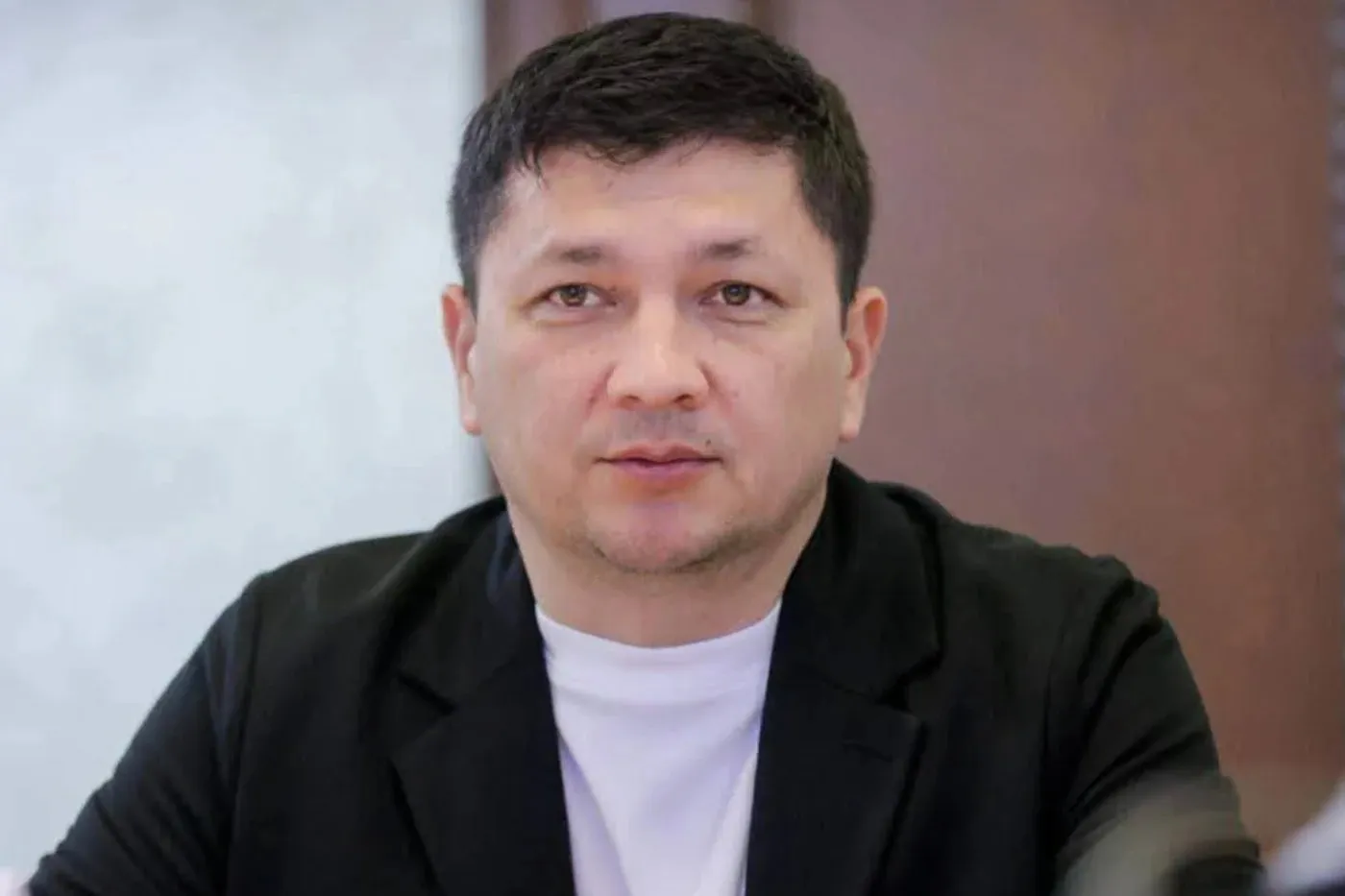
Vitaliy Kim, Minister of Veterans Affairs, spoke about his first 100 days in office and the ministry’s plans. During this time, the team identified 60 problem areas, prepared a plan for change, and secured an additional 3 billion hryvnias for veteran policy in next year’s budget. Among the main priorities are simplifying access to government services, strengthening psychological support, and helping veterans find employment after their service.
According to the minister, during the first three months, his team strengthened the ministry’s leadership. In particular, they appointed a deputy minister who will be responsible for psychological support. After analyzing the ministry’s operations, they identified 60 critical areas requiring changes. They assigned responsible individuals to each of these areas and set deadlines for completion. The team also prepared a work plan for the next six months and the coming year.
Among the first tangible results, Kim cited the launch of educational programs and increased funding for veteran policy. An additional 3 billion hryvnia has been allocated in next year’s budget. Specifically, funding for programs supporting veteran entrepreneurship is planned to increase from 300 million to 800 million hryvnia. An additional 1.2 billion hryvnia will be allocated for housing benefits for veterans.
Less Bureaucracy and Inter-Ministerial Collaboration
Kim emphasizes that no single agency can solve veterans’ problems on its own. This requires coordinated efforts by all government agencies. According to him, each ministry has already designated a deputy who will be personally responsible for veterans’ policy. The agencies are currently working on consolidating registries and establishing information-sharing mechanisms.
The minister believes that veterans should not have to figure out on their own which agency to contact, gather documents, or transfer information from one institution to another. “It shouldn’t be the case that a veteran acts as a courier between ministries. These are the state’s problems, and the state must solve them itself,” Kim emphasized. One of the main goals is to create a system in which people can receive the necessary assistance without unnecessary paperwork and long waits. To this end, the ministry is working to consolidate government registries, create a unified database, and establish a single point of access to veteran services.
They are also developing the State Service for Veteran Support. Currently, nearly 3,000 specialists work there. Their role is to help veterans navigate available services and receive the necessary support. A separate objective is to introduce uniform operating procedures and quality control standards for these services. The minister wants veterans to receive the same level of assistance regardless of where they live. Special attention will be given to small and frontline communities, where support options are often more limited.
Kim also explained the metrics he intends to use to evaluate the ministry’s work. In his view, the number of events and public appearances should not be the primary criterion. “I want the work of the Ministry of Veterans Affairs to be evaluated not by the number of presentations, forums, consultations, or speeches, but by the number of services and successful outcomes that veterans ultimately receive,” he said.
Kim apologized for his controversial remarks
During the interview, the minister also revisited his previous statements about the difficulties that may arise after service members return to civilian life. These remarks sparked discontent among some members of the veteran community.
Kim acknowledged that he had made mistakes in his phrasing and apologized to those who might have been offended by his remarks. He also promised to choose his words more carefully in the future and to adhere to a more formal style of communication. “First and foremost, I want to apologize to everyone who was offended by this. I know there are such people. Going forward, I will try to adhere to a more formal style of communication,” the minister said.
At the same time, Kim explained that he wanted to draw attention to the problems that may arise after the war ends, when a large number of military personnel will be returning to civilian life. In his view, the state must prepare for this now, rather than wait until the difficulties become widespread. “I’m not used to sweeping problems under the rug. I want to talk about them and prepare to address them,” he explained.
Mental Health Support and Employment for Veterans
Another important area of the ministry’s work is psychological support. Kim highlighted the shortage of specialists with experience working with service members and veterans. Support is needed not only for those who have returned from the front lines. It also applies to people who have survived captivity, families of those missing in action, and the loved ones of fallen soldiers.
The minister believes that psychological support should not be limited to a single consultation or a formal assessment. A person needs long-term support, regular evaluation of their condition, and an understanding of whether the chosen recovery program is helping. At the same time, the ministry is working to make it easier for veterans to find jobs after their service. To this end, they plan to engage the business community, review outdated labor requirements, and create additional incentives for employers.
According to Kim, companies should prepare for the fact that the number of veterans in the labor market will increase. It is important not just to formally create jobs for them, but to provide conditions in which people can work, grow, and utilize their skills.
Veterans Must Be Part of the Country’s Recovery
Kim is convinced that veterans can play an important role in Ukraine’s reconstruction. They have experience making difficult decisions, managing, and taking responsibility. These skills, in his view, will be needed by the country even after the war ends. “A veteran is not a passive part of the country, but an active part that will rebuild the nation,” the minister emphasized.
He also called veterans leaders whom society should look up to. “A veteran is a leader of the country whom we should emulate. They are people we should look up to,” Kim said. According to him, the state’s task is to create clear rules and tools that will give veterans the opportunity to choose their own path. They must be provided with the conditions to work, study, develop their own businesses, and realize their potential.
Summing up his first 100 days in office, Kim stated that he is ready for criticism and difficult decisions. He wants the ministry’s results to be seen not in reports, but in real changes in veterans’ lives. “I came here to get results. I don’t need to sit around giving convenient answers to convenient questions. I’m ready for criticism, and I’m ready to make many sacrifices for the sake of results,” the minister concluded. Vitaliy Kim spoke about the ministry’s initial results, challenges in veterans’ policy, and his own mistakes in an interview with Army FM published on November 20, 2026.
The document was registered with the Verkhovna Rada on November 19 under number 16235. The draft resolution has already been submitted to the parliament’s leadership for consideration.
The Council of Veterans of the War for Ukraine’s Independence criticized certain statements made by Minister of Veterans Affairs Vitaliy Kim in a recent interview with Ukrainian media. The Council called these statements unacceptable and called on the official to publicly apologize to the veterans and explain his position.




