
Kutia, borscht, and pampukhi may be added to the UNESCO Intangible Cultural Heritage list
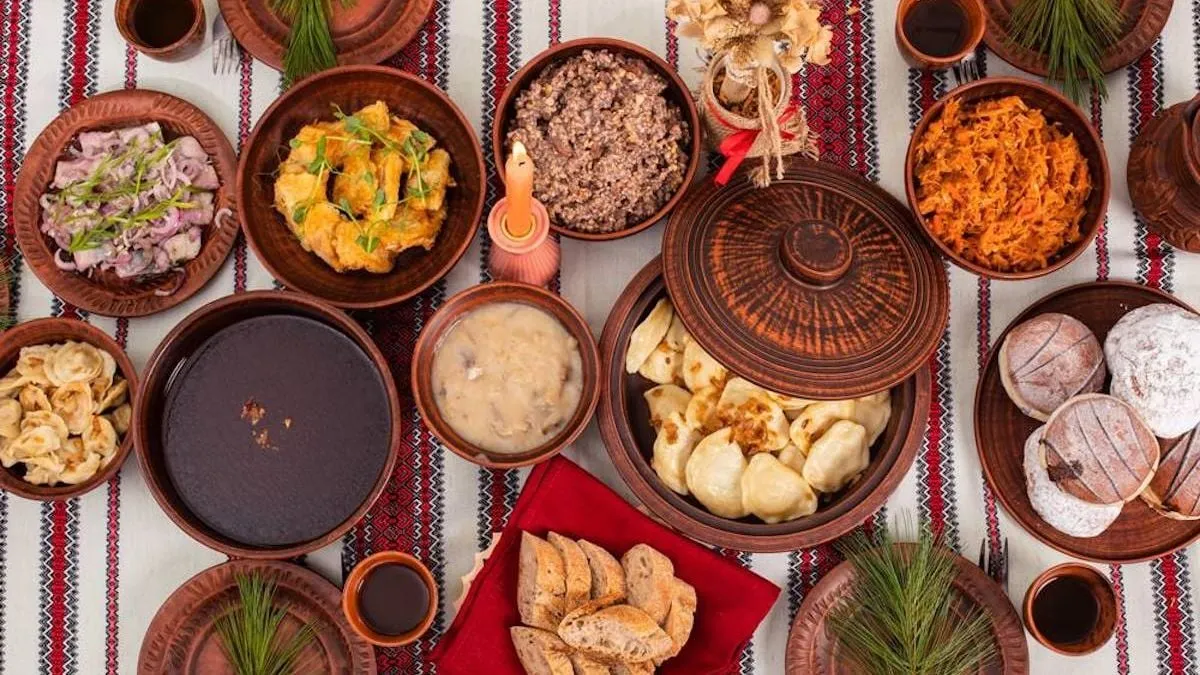
Christmas Eve traditions in Ukraine, Poland, and Lithuania may be added to UNESCO’s Representative List of the Intangible Cultural Heritage of Humanity. The culinary customs of the three countries have already been researched and compiled into a separate book, which showcases shared dishes and the distinctive features of each cuisine. Among the Ukrainian recipes are kutia, uzvar, poppy seed doughnuts, vegetarian stuffed cabbage rolls, and varenyky.
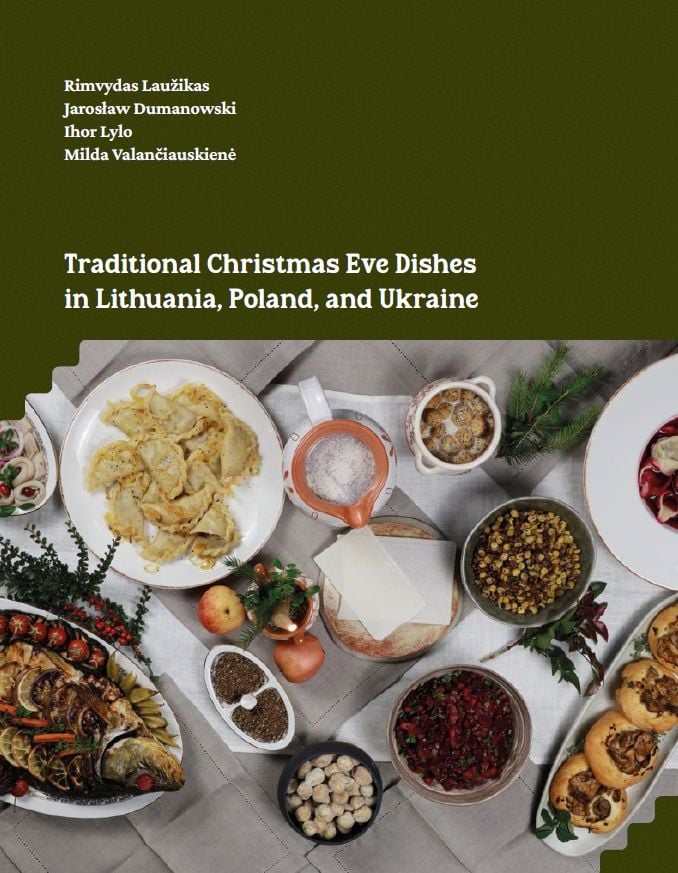
Marianna Dushar, a researcher of Galician cuisine, spoke about the preparation of the joint nomination and the publication of the book. The book *Traditional Christmas Eve Dishes in Lithuania, Poland, and Ukraine* was created by historians and gastronomy researchers from the three countries. Among the authors are Yaroslav Dumanovskyi, Rimvidas Laužikas, Milda Valančauskienė, and Lviv historian Ihor Lylio.
The publication was presented by the Lithuanian National Commission for UNESCO and the Lithuanian National Cultural Center. Its goal is to introduce readers to the Christmas culinary traditions of the three countries, which have been linked by a shared history and culture for centuries. The idea to create the book arose during preparations for the nomination to include the tradition of celebrating Christmas Eve in Lithuania, Poland, and Ukraine on UNESCO’s Representative List of the Intangible Cultural Heritage of Humanity.
The authors noted that all three countries have preserved the tradition of preparing 12 dishes on Christmas Eve. To highlight the similarities and differences in the national cuisines, they selected six dishes prepared in each of the three countries, as well as six dishes characteristic of Lithuania, Poland, and Ukraine, respectively.
At the same time, the authors emphasize that categorizing dishes by country does not mean that any of them belongs exclusively to a single nation. Recipes spread across regions, evolved, and became part of the traditions of various communities. For example, dishes typical of a Lithuanian Christmas Eve can be found in certain regions of Poland. And some Polish Christmas dishes are also prepared in Ukraine.
The book explains that cultural heritage does not always have clear boundaries. What is considered traditional for one country may be just as important for a neighboring one, especially if the peoples share a common historical past. “Ours is what has been passed down from generation to generation over many years and has become part of our cultural identity. At the same time, the fact that an element of intangible cultural heritage is considered ‘ours’ does not preclude it from belonging to ‘others’—especially those with whom we share a common history and closely intertwined cultural identities,” the authors note.
They urge us to view gastronomic traditions not as separate national collections of recipes, but as a shared cultural heritage shaped by interactions between peoples.
Which dishes are featured in the book
Among the six dishes shared by Ukraine, Poland, and Lithuania, the authors listed:
- kutia;
- cranberry jelly;
- borscht with mushroom “ears”;
- vareniki with cabbage and mushrooms;
- baked carp;
- herring with onions and oil.
The book also features a separate section on dishes typical of each country. Ukrainian Christmas cuisine is described through six traditional recipes:
- kolach;
- uzvar;
- vareniki with various fillings;
- pampukhi with poppy seeds;
- vegetarian stuffed cabbage rolls;
- braised cabbage.
Recipes with a History Spanning Several Centuries
The authors have compiled not only modern recipes but also ancient culinary records. The oldest of these date back to the 16th–18th centuries. The book also includes modern versions of these dishes, shared by chefs and food bloggers from Lithuania, Poland, and Ukraine. To make the historical recipes easier to recreate in a modern kitchen, they have been adapted into an accessible format. Thus, readers can not only learn what people cooked on Christmas Eve several centuries ago but also try their hand at preparing these dishes at home.
The book also explains that culinary traditions have evolved over many centuries. They were influenced by population migrations, trade, the spread of religions, the exchange of technologies, and cultural contacts between different peoples. Therefore, the cuisine of every country is not a closed system but the result of a long-standing exchange of experiences and recipes. The book *Traditional Christmas Eve Dishes in Lithuania, Poland, and Ukraine* can be read online for free in English. The digital version is available at this link.




