
The IOM has warned of the risk of a new wave of Ukrainian displacement this winter
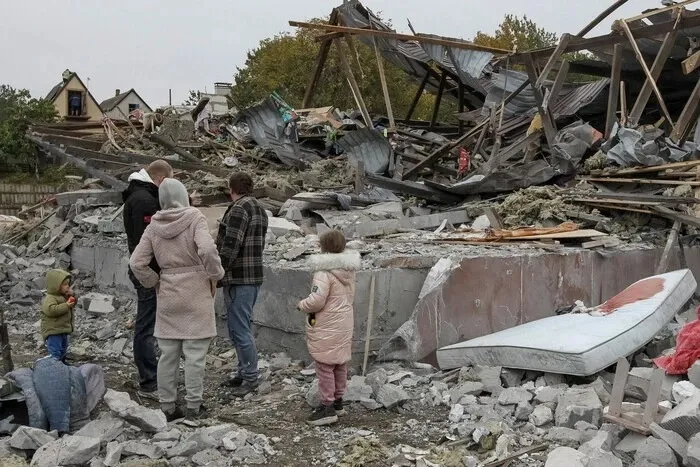
The International Organization for Migration (IOM) has warned of the risk of a new wave of forced displacement of Ukrainians this winter. Russian strikes on energy infrastructure, damaged homes, and high heating costs may force some families to once again seek a safer place to live. People living near the front lines or who have returned to homes in need of repair remain particularly vulnerable.
This winter, some Ukrainians may once again leave their homes due to the danger of shelling, heating problems, and damaged housing. The International Organization for Migration (IOM) reported on these risks, drawing attention to the situation of families as the cold weather approaches. According to IOM estimates, there are currently about 3.6 million internally displaced persons in Ukraine. At the same time, approximately 3.8 million Ukrainians have returned to their homes since the start of the full-scale invasion after being forced to relocate.
However, returning does not always mean that people can live safely and comfortably in their homes. About 1.45 million of those who have returned live near the front lines. Due to shelling and deteriorating living conditions, they may once again be forced to relocate.
Damaged Homes Are Not Ready for the Cold
One of the main problems is the condition of homes damaged by the fighting. Some families have returned to homes where the walls, roofs, or insulation systems have not yet been repaired. As the cold weather sets in, such damage could render the homes uninhabitable. The situation is particularly dire in rural areas. According to the IOM, three out of four families there need wall repairs. Nearly two-thirds of households need materials to repair roofs and restore insulation.
Without proper repairs, homes quickly lose heat. Even if a home has heating, it may not be enough to maintain a comfortable temperature in cold weather. For families who have already been forced to relocate, this creates additional challenges. They are forced to choose between trying to survive the winter in a damaged home and finding another place to live.
Heating Becomes Too Expensive
Another problem is the cost of heating homes. Some Ukrainian families cannot afford to fully heat their homes even when they have access to heat or electricity. It is especially difficult for people who have lost their jobs, have limited income, or have spent their savings due to the war. Heating costs place an additional burden on family budgets, which already have to account for food, medicine, and other basic needs.
Russian attacks on energy infrastructure could further worsen the situation. Damage to the power grid threatens to cause disruptions in electricity and heat supply precisely when the need for them is greatest. As a result, even people who had not planned to move may be forced to look for alternative housing. This applies primarily to families whose homes have been damaged or who lack sufficient funds for heating.
Who Is Most at Risk of Becoming a Displaced Person Again
According to IOM estimates, several groups of Ukrainians are particularly vulnerable:
families whose homes are damaged and in need of repair;
internally displaced persons who still lack stable housing conditions;
people who have returned home but live near the front lines;
households that lack the funds to heat their homes and prepare them for winter.
For these people, even a slight deterioration in the situation could force them to relocate again. For example, a prolonged power outage, damage to the heating system, or another round of shelling could make staying at home dangerous or too difficult. At the same time, IOM does not claim that a mass displacement will necessarily occur this winter or that millions of people will leave their homes. The organization is specifically warning of the risk of such a scenario due to a combination of security, housing, and economic challenges.
Why Preparing for Winter Is Critical
To reduce the risk of further displacement, it is important to repair damaged housing in a timely manner, restore roofs and insulation, and help families keep their homes warm. Equally important is supporting people who have lost a stable income due to the war and cannot cover winter expenses on their own. For Ukrainians living near the front lines, safety remains an additional concern. Even a well-repaired home does not guarantee that people can stay there if the area is regularly shelled.
A warning from the IOM indicates that winter hardships could exacerbate the already existing problem of forced displacement. The combination of damaged housing, expensive heating, and Russian attacks poses risks to people trying to return to their normal lives after being forced to relocate, according to the IOM.
Since the morning of October 16, Russian troops have been launching waves of drone attacks on Ukraine’s energy infrastructure. Damage has been reported in Kyiv and five regions: Kyiv, Kharkiv, Rivne, Volyn, and Odesa.
In the Khmelnytskyi district, a gas station caught fire after debris from a Russian drone fell on it. Two people sustained minor injuries.
On the night of October 14 in Lutsk, a fire broke out at an oil depot after it was struck by an enemy drone. The fire started around 2:00 a.m.
A soldier described the death of nearly his entire family following a Russian strike on Radushne.
As a reminder, a Russian missile killed a large family in the Dnipropetrovsk region.




