
Holiday on November 14, 2026 — St. Philip’s Eve: Traditions, Customs, and Six Recipes
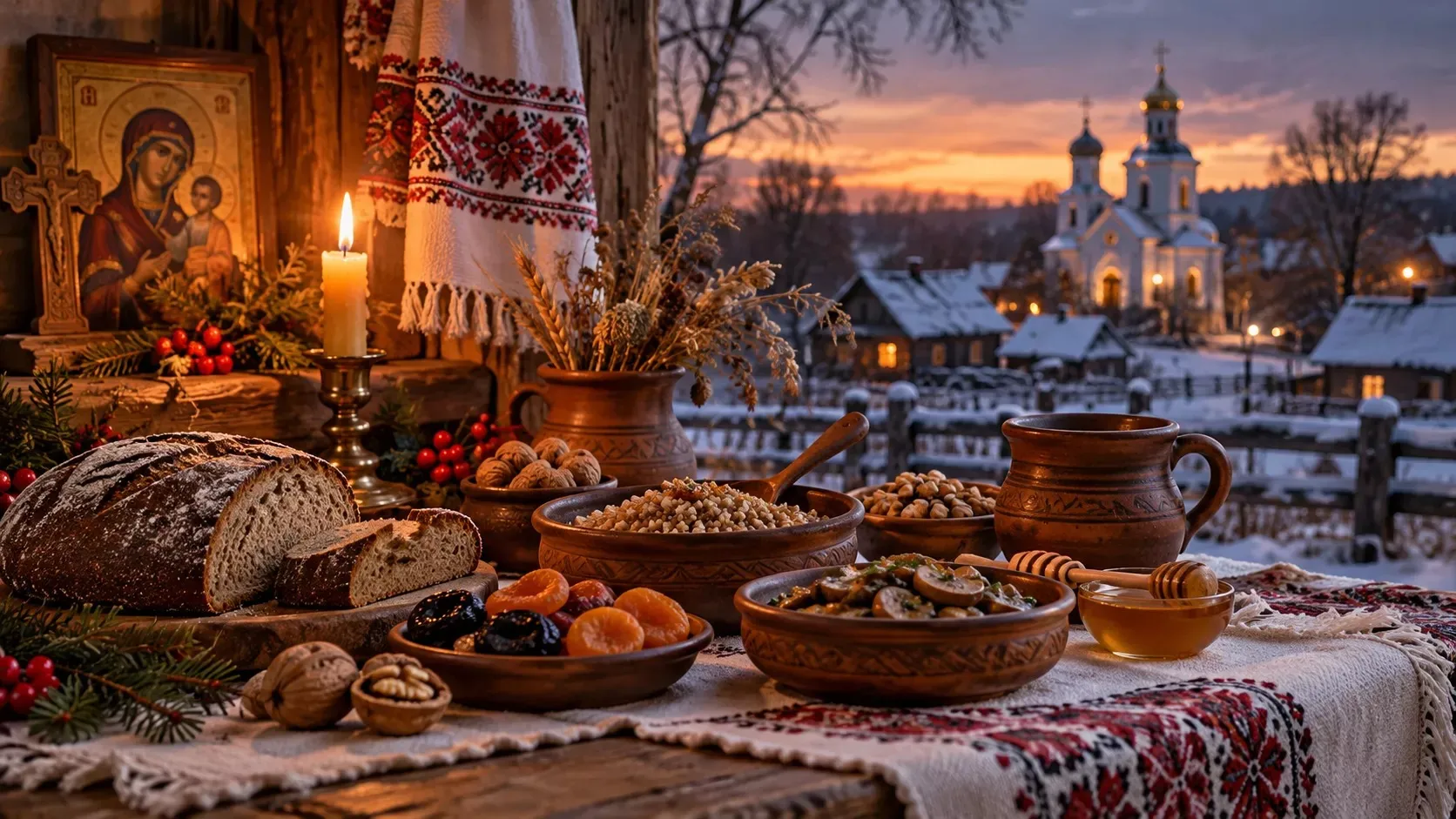
On November 14, Ukraine celebrates St. Philip’s Eve—the last day before the start of the Christmas fast. According to folk tradition, on this day families would gather around a bountiful table and treat one another to meat dishes, eggs, and dairy products. Starting on November 15, believers who follow the new church calendar begin the 40-day St. Philip’s Fast—a time of spiritual preparation for the Nativity of Christ.
“Pylypivka Zagoviny” is the folk name for the last day before the Christmas fast. The word “zagoviny” comes from the custom of eating meat dishes one last time before the fast. These include animal products: meat, milk, cheese, eggs, and dishes made from them. The name “Pylypivka” is associated with the Apostle Philip. According to the new church calendar, his feast day is celebrated on November 14. The next day marks the beginning of the Christmas fast, which is popularly known as “Pylypivka.” Therefore, Zagoviny falls precisely on the day commemorating the apostle.

This is not a major church holiday in its own right, but rather a folk tradition that developed around the start of the fast. For Ukrainians, it held not only religious but also family significance. People would gather together, have dinner, socialize, and spend time together before a long period of dietary restrictions.
How the Christmas Fast Began
The tradition of preparing for Christmas through fasting originated as early as the first centuries of Christianity. Initially, the rules and duration of such fasting varied among different church communities. In some places, believers abstained from certain foods for only a few days, while in others, the fast lasted longer.
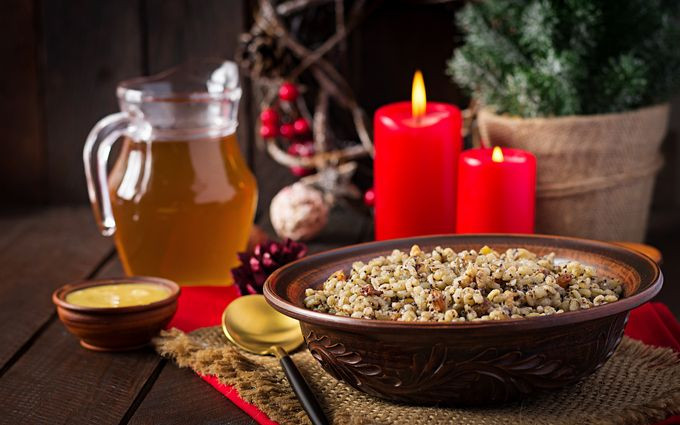
In the East, references to the Christmas fast date back to at least the 8th century. Over time, it gradually spread among Christian communities and became part of church life. The 40-day duration of the fast was finally established for many churches by the Council of Constantinople in 1166. It is precisely this period that is associated with the tradition of beginning the Fast of St. Philip after the feast day of the Apostle Philip.
In Ukrainian lands, this fast also has a long history. It was called Philip’s Fast or Philip’s Lenten Fast. Metropolitan George of Kyiv mentioned it in his church statutes as early as the 11th century. Back then, the rules were stricter than they are today: in particular, they restricted the consumption of meat and milk, while on certain days, eating fish was permitted. The main purpose of the fast is not simply to change one’s diet. For believers, this is a time of prayer, self-restraint, and inner preparation for Christmas. The Church urges people during this period to pay more attention to their spiritual life, to help others, and to avoid quarrels and wrongdoing.
Why a lavish feast is served on this day
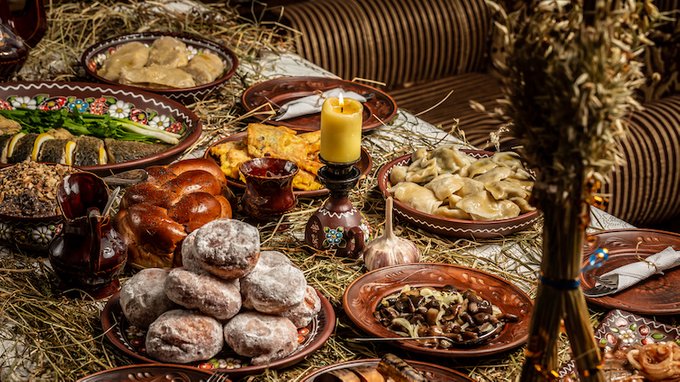
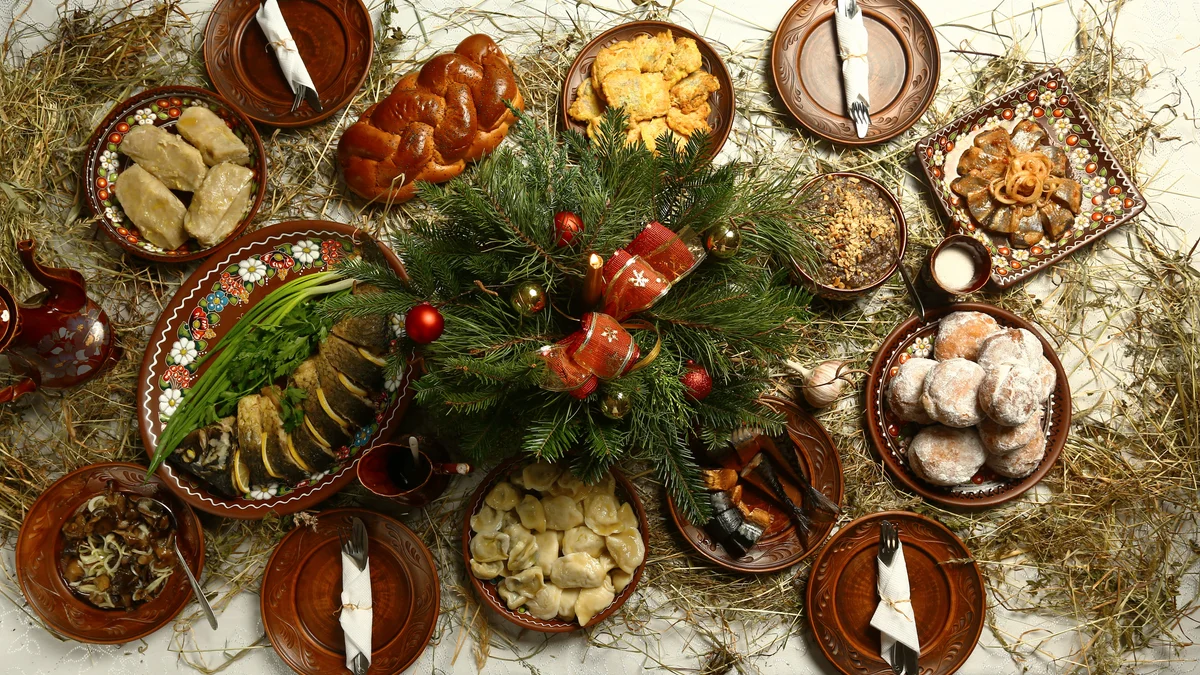
In folk tradition, St. Philip’s Feast was the last opportunity before Lent to enjoy the usual meat and dairy dishes. Therefore, housewives prepared a hearty dinner, and a variety of delicacies were laid out on the table. These might include meat, sausages, lard, eggs, cheese, sour cream, dairy dishes, and homemade baked goods. The feast was not limited to food alone. People tried to spend this evening with their families or invite loved ones over. Married children visited their parents, and those who lived alone might have dinner with their neighbors. In some regions, it was considered important not to be alone on this day.

In the Slobozhanshchyna region, in particular, they organized so-called “skladky”—evening gatherings where young women and men would come together. The young people prepared treats for one another. The girls treated the boys to tea, pancakes, nuts, and scrambled eggs, while the young men brought sweets, gingerbread, and drinks. Sometimes they even hired musicians for these gatherings. Customs varied by region, but the common thread was the idea of spending the last evening before Lent together with family and friends. It was an opportunity to socialize, have fun, and enjoy each other’s company before a more austere period.
How Life Changed for Ukrainians with the Start of Pylypivka
After Zagoviny, the Christmas fast began, and the usual menu gradually changed. Lenten borscht, fish soup, kulish, porridges, mushrooms, vegetables, and legume dishes appeared on the tables. People also prepared stuffed cabbage rolls, varenyky with potatoes or sauerkraut, pampushky, and dried fruit. On certain days, church rules allowed people to eat fish and add oil to their dishes.

Pylypivka influenced more than just diet. Since there were about six weeks left until Christmas, Ukrainians began gradually preparing their homes for the winter holidays. They cleaned and decorated their homes, brought out embroidered towels, and prepared festive clothing and items for the upcoming caroling. In some regions, costumes for Christmas rituals were prepared in advance.
At the same time, the young people’s evening gatherings did not stop entirely. Girls would gather at someone’s home to spin, embroider, and do other work together. Such gatherings were called dosvitky (dawn gatherings), as they could last until morning. This was not only a way to pass the time but also an opportunity to learn handicrafts and prepare items for an upcoming wedding.
Pylypivka was also associated with the tradition of bringing the wedding season to a close. It was commonly believed that weddings were not held during Lent, so families tried to hold engagements and wedding celebrations before it began. This is the origin of the folk saying “Pylyp didn’t stick to everyone”—a joke about those who didn’t manage to find a partner or get married before Lent.
6 Recipes for Traditional Ukrainian Dishes
1. Roast Pork with Potatoes

Ingredients:
700 g pork;
7–8 potatoes;
2 onions;
1 carrot;
2 cloves of garlic;
2–3 tablespoons of oil;
salt, pepper, and bay leaf;
200 ml of water or broth.
Preparation:
Cut the pork into small pieces, then season with salt and pepper. Brown the meat in a skillet until golden. Separately, sauté the onions and carrots, and cut the potatoes into large chunks.
Place the meat, potatoes, and vegetables in a casserole dish or deep baking dish. Add the minced garlic, bay leaf, and a little broth. Cover with a lid or foil and bake in the oven for about an hour to an hour and a half at 180 degrees. Serve the finished roast hot, sprinkled with fresh herbs.
2. Homemade Sausage

Ingredients:
1 kg pork;
200 g lard;
4–5 cloves of garlic;
1 teaspoon salt;
black pepper;
100 ml cold water;
natural pork casing.
Preparation:
Cut the meat and fat into small pieces or grind them in a meat grinder using a coarse plate. Add salt, pepper, minced garlic, and cold water. Mix everything thoroughly so that the spices are evenly distributed.
Rinse the natural casing and fill it with the meat mixture, shaping it into sausages. Place them on a baking sheet, prick them several times with a thin needle, and bake in the oven at 170–180 degrees until fully cooked. The cooking time depends on the thickness of the sausages. The meat inside must be fully cooked, and its internal temperature must reach at least 71 degrees. Serve the sausage hot or chilled, sliced into rounds.
3. Vareniki with Homemade Cottage Cheese

Ingredients for the dough:
400 g flour;
200 ml warm water;
1 egg;
a pinch of salt;
1 tablespoon of oil.
For the filling:
400 g cottage cheese;
1 egg;
2 tablespoons of sugar;
a pinch of salt.
Preparation:
In a bowl, mix the flour, egg, water, salt, and oil. Knead into a soft, elastic dough and let it rest for about 20–30 minutes under a towel.
For the filling, mash the cottage cheese with the egg, sugar, and a pinch of salt. Roll out the dough thinly, cut out circles, and place a small amount of the cottage cheese mixture in the center of each one. Seal the edges carefully so the filling doesn’t leak out while cooking. Drop the varenyky into salted boiling water. Once they float to the surface, cook for another 3–4 minutes. Serve with sour cream or melted butter.
4. Cheese Pancakes

Ingredients:
500 ml milk;
2 eggs;
200 g flour;
1 tablespoon sugar;
a pinch of salt;
2 tablespoons of oil.
For the filling:
400 g cottage cheese;
1 egg;
2 tablespoons of sugar;
vanilla sugar, if desired.
Preparation:
Beat the eggs with sugar and salt, add milk, and gradually stir in the flour. Mix the batter until smooth, pour in the oil, and let it rest for 10–15 minutes.
Bake thin pancakes on both sides in a preheated skillet. For the filling, mix the cottage cheese with the egg and sugar. Place a small amount of the cottage cheese mixture on each pancake, fold in the edges, and roll up the pancake.
The finished nalysniki can be served immediately or arranged in a baking dish, brushed with butter, and baked for 15–20 minutes in the oven. They are especially delicious served with sour cream.
5. Ukrainian Verguny

Ingredients:
400 g flour;
2 eggs;
100 ml sour cream;
2 tablespoons sugar;
1 tablespoon of vodka or vinegar;
a pinch of salt;
oil for frying;
powdered sugar.
Preparation:
Beat the eggs with sugar, then add sour cream, salt, and vodka or vinegar. Gradually add the flour and knead into a firm but elastic dough. Let it rest for 15–20 minutes, then roll it out thinly.
Cut the dough into strips, make a small slit in the middle of each one, and pull one end through it. This creates the characteristic twisted shape of the verguns.
Fry the pastries in well-heated oil until golden brown on both sides. Then place them on a paper towel to remove excess oil and sprinkle with powdered sugar. Verguny taste great with tea or uzvar.
6. Scrambled Eggs with Bacon and Onions

Ingredients:
5–6 eggs;
150 g of lard;
1 onion;
salt and black pepper;
green onions for garnish.
Preparation:
Cut the lard into small pieces and place them in a preheated skillet. Fry until the fat renders and the lard turns golden brown. Then add the chopped onion and cook until soft.
Carefully crack the eggs into the skillet, trying to keep the yolks intact. Add salt and pepper, cover with a lid, and cook over low heat until the desired consistency is reached. Sprinkle with green onions before serving. Rye bread is a traditional accompaniment to this dish.
When Does the Christmas Fast Begin in 2026?
In 2026, according to the New Julian calendar, the Christmas fast begins on November 15 and lasts through December 24. This is a 40-day period of preparation for Christmas, which is celebrated in Ukraine on December 25 according to the new calendar.

During this time, believers traditionally abstain from meat, dairy products, and eggs. At the same time, dietary rules allow for certain exceptions on specific days. These may vary depending on church tradition as well as a person’s health. Therefore, specific restrictions should be followed in accordance with the guidelines of one’s church.
It is important to remember that not all Ukrainian communities follow the new calendar. Those who continue to observe the Julian calendar will begin the Christmas fast on November 28 and conclude it on January 6, 2027. For Christians, St. Philip’s Day is first and foremost a time to prepare for one of the biggest holidays of the year. And the St. Philip’s Day festivities serve as a reminder of the long-standing Ukrainian tradition of gathering as a family, sharing treats, and celebrating the start of the winter holiday season together.




