
Holiday on November 6, 2026 — Kyiv Liberation Day: How the Capital Endured 778 Days of Occupation
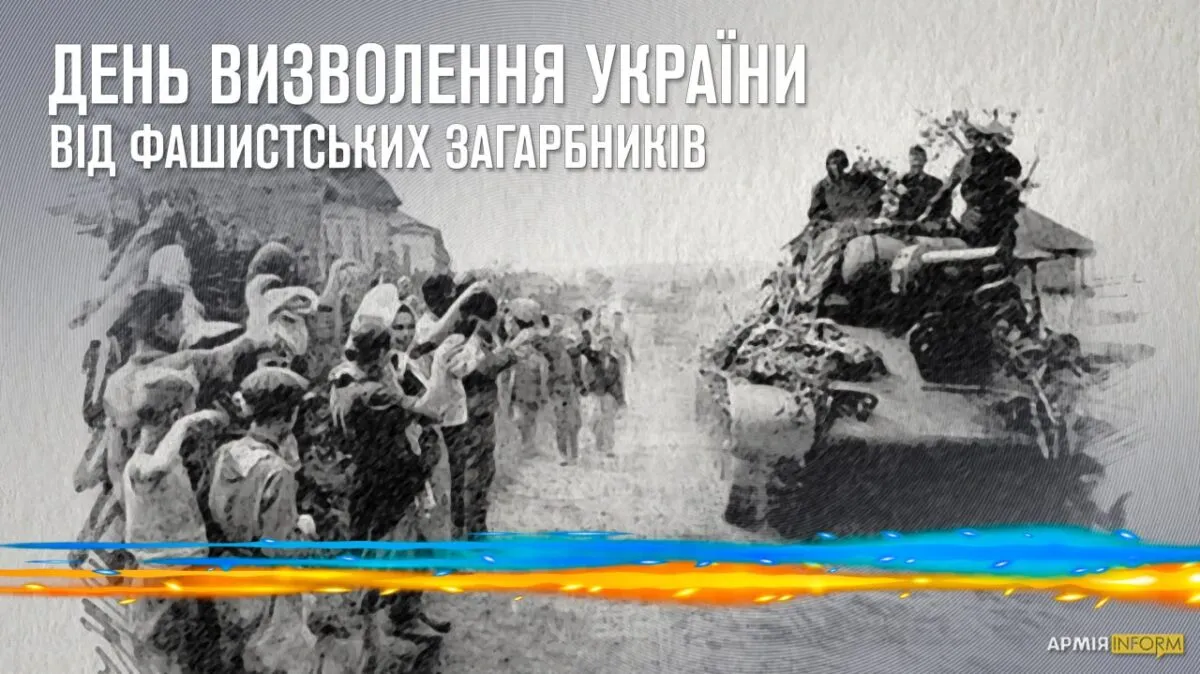
Every year on November 6, Ukraine commemorates the liberation of Kyiv from Nazi occupation. It was on this day in 1943 that Soviet troops entered the capital after prolonged and bloody battles, bringing an end to the occupation that had lasted 778 days.
The day marking Kyiv’s liberation from Nazi invaders falls on November 6 every year. In 2026, this date falls on a Friday, marking 83 years since the events of 1943. This is a memorable date associated with one of the most significant events of World War II on Ukrainian soil. Its main purpose is to remember those who survived the occupation and to honor those who died during the fighting and as a result of Nazi crimes.

November 6 has been added to the list of citywide commemorative dates in Kyiv. It is observed not as a typical city holiday with entertainment, but first and foremost as a day of historical remembrance. On this day, people reflect on the events of 1943, discuss the fates of Kyiv residents during the occupation, and recall the price the city paid to return to Soviet control. It is also important to remember that the liberation at that time did not mean the end of the war: hostilities on Ukrainian soil continued for a long time afterward.
How Kyiv Came Under Occupation
Nazi troops entered Kyiv in September 1941. Prior to that, the city had endured massive battles and a defense that lasted several weeks. On September 19, German troops established control over the capital. From that moment on, one of the most terrifying periods in the city’s history began for its residents. The occupation lasted 778 days—until November 6, 1943. During this time, Kyiv suffered extensive destruction, and its residents faced terror, starvation, forced labor, arrests, and executions. The Nazi authorities persecuted Jews, Roma, prisoners of war, members of the resistance, and others whom they considered enemies of the regime. One of the most horrific symbols of the occupation’s terror was Babyn Yar, where in September 1941 the Nazis executed tens of thousands of Jews and later killed members of other population groups there.

The occupying regime sought to control every aspect of life. People suffered from shortages of food, medicine, and fuel, and felt no sense of personal safety. Some residents were deported to Germany for forced labor. Others tried to survive in the city, helped their loved ones, hid people, or joined the underground resistance movement.

By the time Soviet troops returned, Kyiv had been severely destroyed and largely depopulated. According to city historical records, about 100,000 residents remained in the city—far fewer than before the war. Therefore, November 6 became for Kyiv residents not just a date marking a change in military control, but the end of a long period of occupation and violence.
How the Battle for Kyiv Unfolded
The liberation of the capital was part of the large-scale Battle of the Dnieper—one of the largest military operations of World War II. In the fall of 1943, Soviet troops advanced westward, attempting to drive German forces out of Left-Bank Ukraine and cross to the right bank of the Dnipro. The river posed a serious obstacle: its width, strong current, and the fortified positions of German troops made crossing difficult.

Initially, the Soviet command planned to launch the main offensive from the Bukrin bridgehead—an area on the right bank of the Dnieper south of Kyiv. However, the offensive there encountered fierce resistance. The fighting was extremely fierce, and attempts to break through the German positions did not yield the expected results. Subsequently, the command decided to shift its main efforts to the Lyutizky bridgehead, located north of the capital.

It was from there, in late October–early November 1943, that the decisive offensive on Kyiv was launched. Troops of the 1st Ukrainian Front, under the command of General Mykola Vatutin, took part in it. The First Separate Czechoslovak Brigade, commanded by Ludvík Svoboda, also joined the operation. Soviet units attempted to break through enemy defenses and advance rapidly toward the city.

The assault on Kyiv began on November 3. Fighting took place on the outskirts of the capital and within its boundaries. On the night of November 5–6, Soviet tank units broke through to the city along the Brest-Litovsk Highway, now known as Beresteisky Avenue. By the morning of November 6, German resistance in Kyiv had been broken. This date is considered the day of the capital’s liberation.
Why the liberation of Kyiv was so significant
Kyiv held great military, political, and symbolic significance. It was the capital of Ukraine, an important transportation and industrial hub, and a city located on a strategic sector of the German front. Regaining control of the city dealt a serious blow to Nazi Germany’s positions on the Eastern Front. In addition, Soviet troops were able to continue their advance into Right-Bank Ukraine.

For the city’s residents, the end of the occupation was the most important thing. People who had endured two years of terror were finally able to emerge from their hiding places, search for their loved ones, and gradually return to their normal lives. At the same time, the city needed to be rebuilt: buildings, businesses, roads, and utilities had been damaged. Part of the infrastructure had been destroyed or rendered inoperable during the German retreat.

However, the liberation did not mark the end of human losses. The battles for the Dnipro and Kyiv claimed the lives of a large number of soldiers. The exact casualty figures remain a subject of historical research, as estimates from various sources differ significantly. It is known that the Soviet command sought to capture Kyiv by November 7—the anniversary of the October Revolution. This political deadline influenced the planning of the operation and the pace of the offensive, while haste and insufficient preparation of the crossings over the Dnipro River led to heavy casualties. Therefore, as we commemorate this date today, it is important to speak not only of the military outcome but also of the price paid by soldiers and civilians. The history of Kyiv’s liberation is at once a story of courage, loss, war crimes committed by the occupiers, and the difficult decisions made by the military command.
Interesting Facts About the Liberation of Kyiv
The events of November 1943 contain many details that help us better understand exactly how the operation unfolded and what the city endured.
- The occupation lasted 778 days. German troops entered Kyiv on September 19, 1941, and Soviet forces regained control of the city on November 6, 1943. For several generations of Kyiv residents, these were long months of fear, shortages of basic necessities, and constant danger.
- The decisive factor was the offensive from the north. Initially, the command had counted on success from the Bukrynske bridgehead, but the main assault was ultimately shifted to the Lyutizke bridgehead. It was this direction that helped break through the German defenses and advance toward the capital.
- They were in a hurry to complete the operation by November 7. This date marked the anniversary of the October Revolution, which was celebrated in the USSR as one of the main national holidays. The desire to meet this symbolic deadline was one of the factors that influenced the pace of the offensive.
- It was not only Soviet units that took part in the liberation. The First Independent Czechoslovak Brigade, under the command of Ludvík Svoboda, joined the operation. Its participation was part of the joint struggle against Nazi forces.
- Kyiv welcomed its liberators as a nearly deserted city. Due to the occupation, deportations, loss of life, and evacuation of the population, only a fraction of the city’s pre-war residents remained. City historical records estimate the population at approximately 100,000 people at the time of liberation.
- After the fighting, the city had to be rebuilt. Residential buildings, industrial facilities, and transportation and utility infrastructure had all been destroyed. Returning to peaceful life required significant efforts on the part of the residents and the restoration of municipal services.
How Kyiv’s Liberation Day Is Commemorated
On November 6, Kyiv traditionally commemorates those who died during the occupation and the battles for the city. In previous years, the anniversary was marked by flower-laying ceremonies at memorials, meetings with veterans, themed exhibitions, and historical events. Museums and educational institutions organized lectures, tours, and publications dedicated to the events of 1941–1943. Such events help not only to preserve memory but also to explain to younger generations what the occupation was like and how the capital was liberated.

A special place is reserved for honoring the civilian victims of the Nazi regime—people who perished in executions, forced labor, starvation, repression, and combat. It is also important to remember the soldiers who died during the crossing of the Dnieper River and the assault on the city. This day is not only about a military operation but also about the fates of thousands of people whose lives were changed by the war.
Today, this commemorative date is observed in light of the modern context and without Soviet propaganda rhetoric. The focus is on the memory of the victims of Nazism, historical facts, and the role of Ukraine and Ukrainians in the fight against occupation. At the same time, it is important not to confuse the liberation of Kyiv in 1943 with the end of World War II: fighting continued after this event, and Ukraine remained a theater of war for a long time afterward.

For anyone wishing to join in the commemoration, there is a simple way to do so—visit a museum or memorial, read eyewitness accounts, look at archival photographs, or tell your children about the city’s history. After all, the memory of the past is preserved not only during official ceremonies. It lives on in family stories, documents, books, and conversations about the people who survived the occupation and fought to regain their freedom.




