
A fox was spotted in Chernobyl during the day; scientists explained the animal's unusual behavior
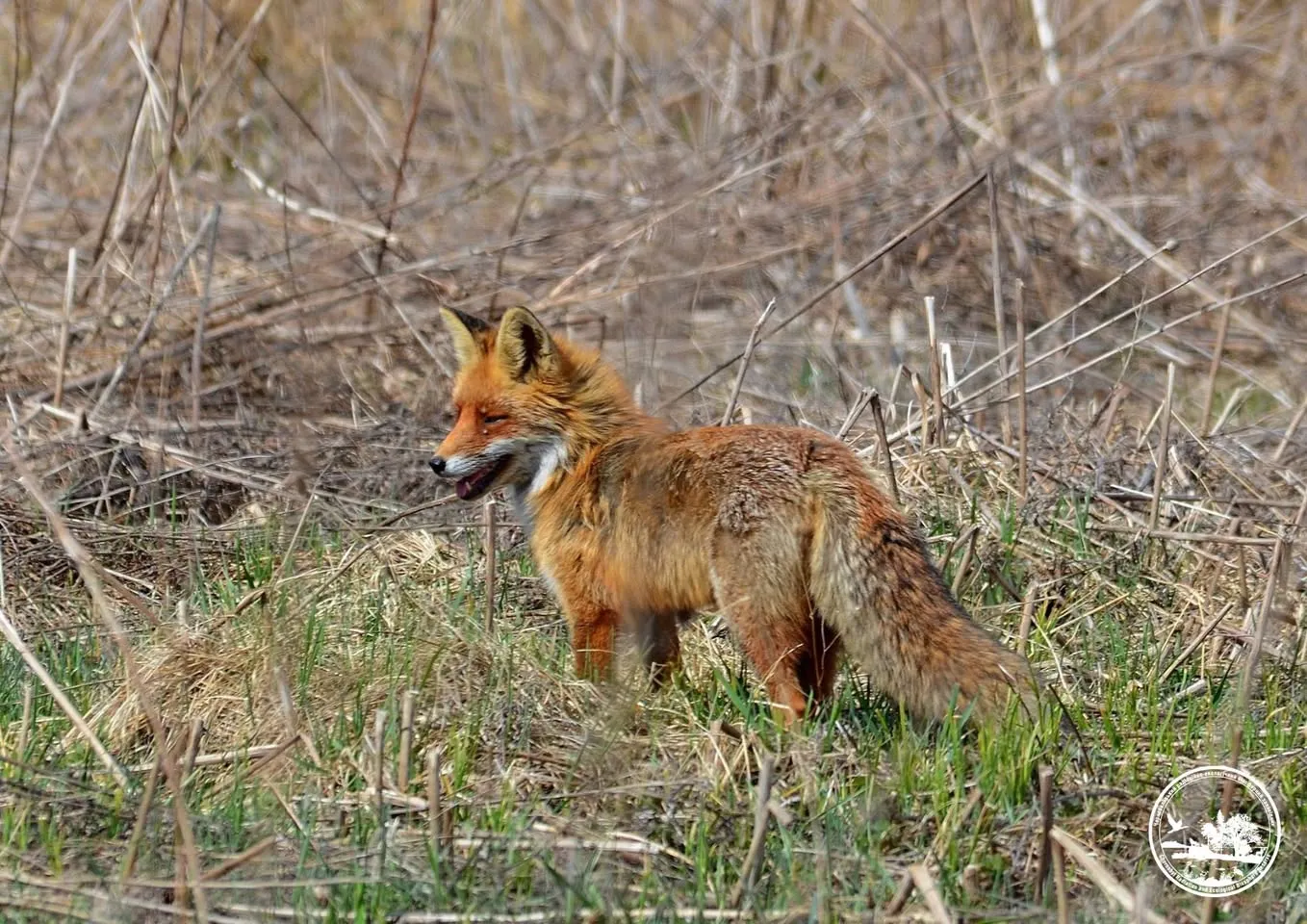
A fox was spotted in Chernobyl during the day, which, according to scientists, is a rare occurrence. Meanwhile, as winter approaches, the animal is growing a thicker coat that will help it survive the cold.
A fox was spotted during the day in the Chernobyl Radiation-Ecological Biosphere Reserve. Such sightings are rare, as the animal is more active at dusk and at night.
“As the forest gradually changes colors, the fox has plenty to worry about. For her, fall is not a time to admire the golden leaves, but a time to prepare for the cold. Her red coat becomes thicker and warmer. As winter approaches, denser fur grows in to help it survive the cold. And its fluffy tail isn’t just for show—it’s a truly multifunctional feature: it helps maintain balance and retains heat while resting,” the researchers explained.
According to the scientists, this predator never stops hunting. The fox scours the grass, listens for the slightest rustle, and tracks down small rodents. Mice and voles make up an important part of its diet, and in the fall, there are still plenty of other nutritious finds in the wild.
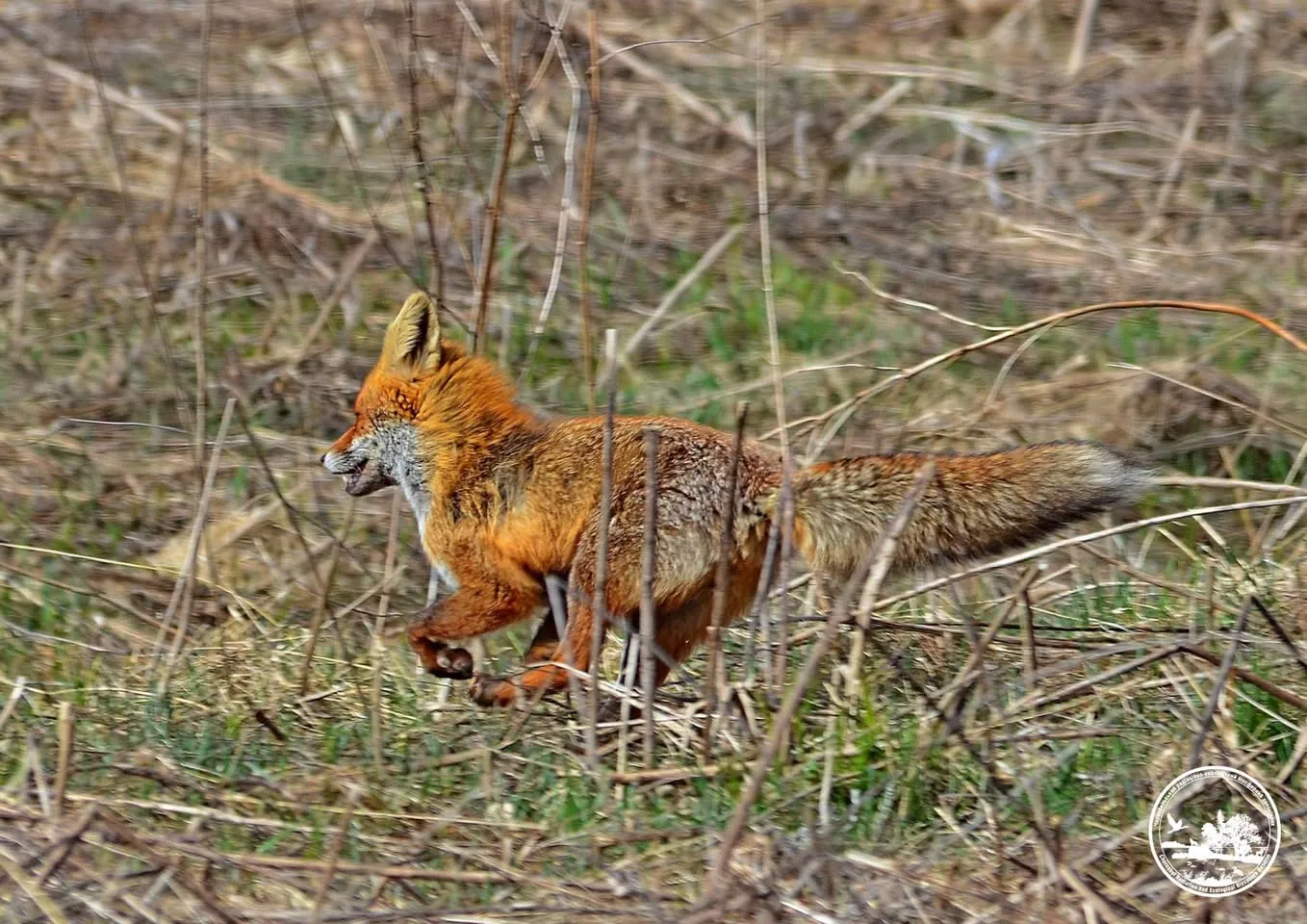
At the same time, the animal’s routes change: the fox explores familiar paths, checks its territory, and searches for food.
“It is mainly active at dusk and at night, so seeing it during the day is a rare but entirely possible occurrence,” the scientists added.
Source: Chornobyl Radiation-Ecological Biosphere Reserve
Earlier, rare fish species listed in Ukraine’s Red Book were discovered in the Chernobyl Reserve.
As a reminder, in September, many grass snakes could be spotted in the Chernobyl Radiation-Ecological Biosphere Reserve. Snakes leave their hiding places to bask in the sun, hunt, and build up their strength before the onset of cold weather.
Feral cows that have settled on the grounds of a former farm were spotted in the Chernobyl Radiation-Ecological Biosphere Reserve. According to representatives of the reserve, the animals move freely throughout the territory, find food and water on their own, stay together, and choose their own resting places.




