
Ukrainian rivers are running low on water, and some ecosystems are at risk
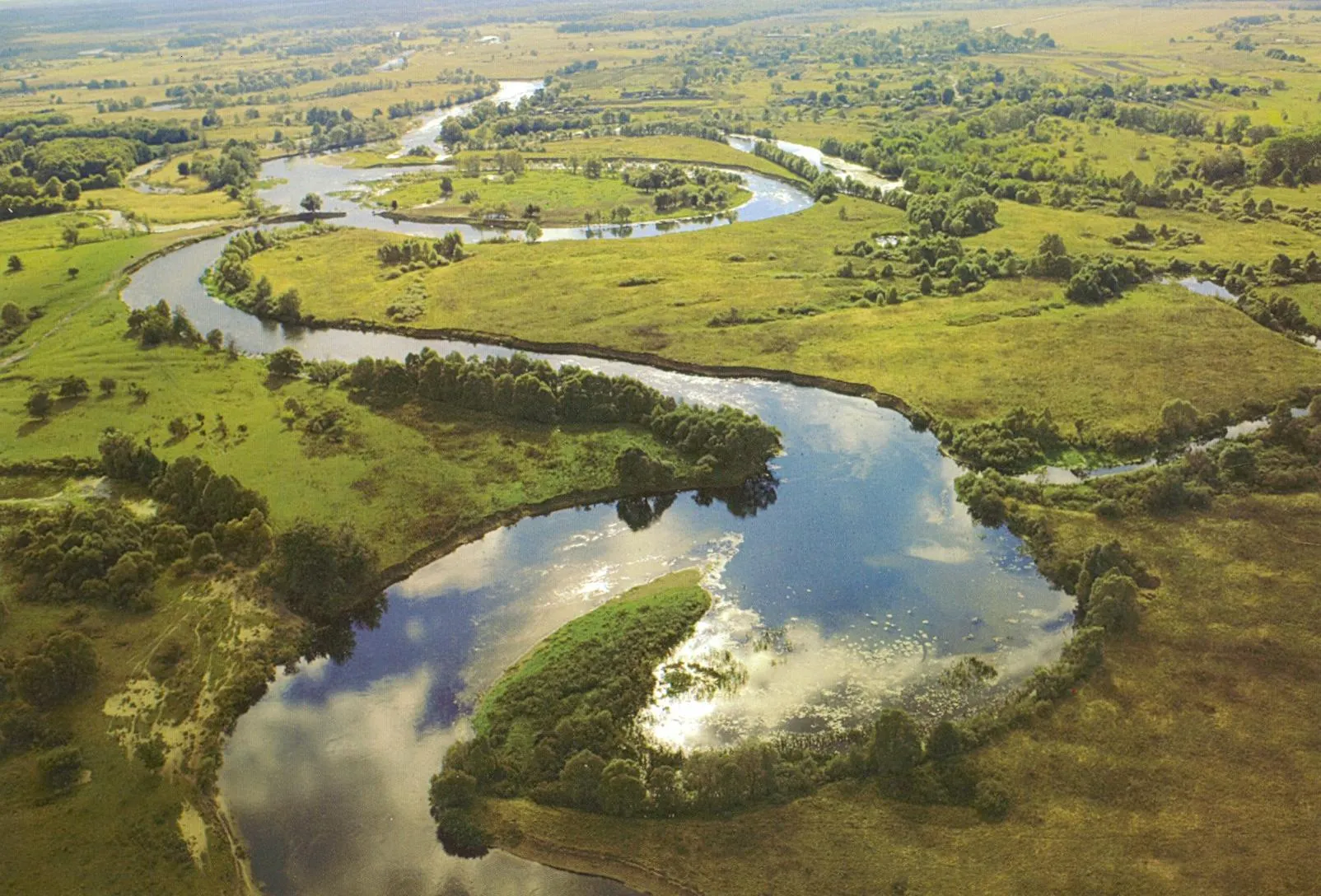
In the first half of October, the situation on many of Ukraine’s rivers remained difficult due to low water levels. According to the Ukrainian Hydrometeorological Center (UkrGMC), water levels were so low in some places that they posed a threat to the functioning of river ecosystems.
This was reported by the Ukrainian Hydrometeorological Center, which assessed water levels in the country’s major rivers during the first 15 days of October.
Which rivers had the lowest water levels?
According to the Ukrainian Hydrometeorological Center, water levels in many rivers were only 30–49% of normal. This situation was observed, in particular, in certain sections of the Pripyat, Desna, Horyn, Teteriv, Irsh, Psel, Vorskla, Samara, Udiv, Stryi, Tisa, Prut, and Siret rivers. In addition, the inflow of water into the Dnipro and Kamyanske reservoirs has significantly decreased.
On a number of rivers, levels approached the criteria for low water—23–27% of normal. Among them were the Ubor, Styr, Ros, Psel, Teteriv, Oril, Tisa, Southern Bug, and its tributary, the Sinyukha.
At the same time, low-water conditions have worsened in certain water bodies. Specifically, on the Uday near Pryluky, the water level was only 8% of normal; on the Sula near Romny—9%; on the Southern Bug near Trostianchyk—6%; and on the Uzh River near Uzhhorod—also 6%.
Above-normal levels were recorded only on the Ingulets near Kryvyi Rih, where the water level was 423% of normal. Water levels were close to normal on the Siverskyi Donets near Izium, the Horyn near Yampil, and the Psla near Sumy.
Where Rivers Dried Up
Experts are particularly concerned about the lack of water flow. During the first half of October, this phenomenon was observed on dozens of rivers and their tributaries.
In particular, there was no flow in the tributaries of the Western Bug—the Rati, Svini, Solokiya, and Luga. A similar situation was recorded in the upper reaches of the Pripyat and its tributaries—the Vyzhivka, Turia, Stokhod, Virka, and Smilka.
Water also did not flow in a number of tributaries of the Middle and Lower Dnieper, specifically the Gui, Irpin, Trubezh, Nedra, Rosava, Supo, Vilshanka, Sliporod, Malaya Tersa, Kilchen, and Mokra Sura. No flow was observed in the upper reaches of the Teterev, Oril, and Samara rivers either.
In addition, riverbeds continued to dry up on the Serebryanka and Stugna—tributaries of the Middle Dnieper.
Why Low Water Levels Threaten Ecosystems
According to estimates by the Ukrainian Hydrometeorological Center, water levels on some rivers have fallen below the ecological flow rate—the minimum amount of water necessary to maintain the proper condition of the aquatic ecosystem.
Specifically, on the Southern Bug near Trostianchyk, water levels were 40% of the ecological flow rate; on the Uzh near Uzhhorod, 65%; and on the Dniester near Zalishchyky, 76%. Values lower than this threshold were also recorded on the Ubor, the Western Bug, and the Ukrainian section of the Danube.
The Hydrometeorological Center emphasizes that this situation is critical for the functioning of river ecosystems.
Regular monitoring of water levels helps assess the risks of hydrological drought. These indicators are important not only for nature conservation but also for the water supply to the population and the operation of economic sectors dependent on water resources.
Source: Ukrainian Hydrometeorological Center
Ukraine’s rivers are rapidly drying up: where water levels have reached critical marks.
In the Kyiv region, restrictions on water use have been imposed due to pollution of the Irpin River.
In the Kyiv region, the Bucha River, a left tributary of the Irpin, has completely dried up.
As a reminder, Lake Svitiaz in Volyn has noticeably receded: in some areas, the water has retreated dozens of meters from the shoreline, and parts of the territory that were previously flooded are now accessible on foot.
In Kyiv, following the Russian attack on the night of August 8, minor oil contamination was again detected in Lake Kyrylivske and the Syrets Stream.




