
European peacekeepers in Ukraine will be able to return fire in response to attacks by Russia – The Guardian
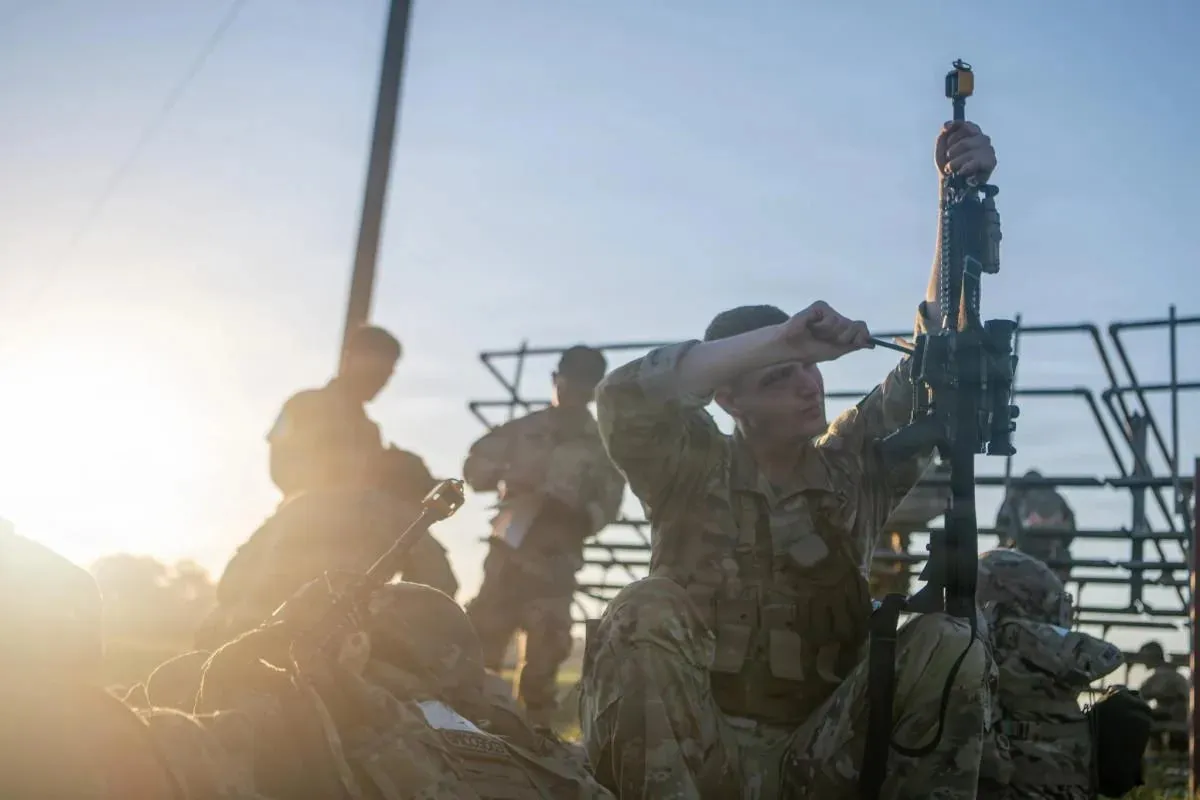
British troops and their European allies will have the right to use weapons in self-defense in the event of an attack by Russian forces following the possible deployment of a peacekeeping mission in Ukraine.
At the same time, the future European contingent will not rely on American military technology, specifically the Starlink satellite system. The troops will also operate outside NATO territory.
According to Western officials, the Anglo-French stabilization forces will operate exclusively in a defensive capacity but will have the right to defend themselves against any aggression. In particular, the rules of engagement will allow them to respond to attacks by Russian drones.
“It is clear that we will defend our forces against any aggression,” said an official familiar with the plans for a potential mission.
He also emphasized that the multinational forces will not rely on American systems. This includes the Starlink satellite communication system, which is owned by Elon Musk’s company.
11 countries will practice a potential troop deployment in Ukraine
Plans for the future mission are the reason behind the “Coalition” military exercises, which the United Kingdom and France are organizing in Poland in late November. Representatives from 11 countries will participate, working through a scenario involving the rapid deployment of European troops to Ukraine after the war ends.
A total of 2,800 military personnel, sailors, and airmen will be involved in the exercises. France will deploy 1,500 troops from its 1st Division, and the United Kingdom will send 300 personnel from the 7th Light Mechanized Brigade.
In addition to the United Kingdom and France, Poland, Germany, Belgium, Estonia, Lithuania, the Netherlands, Spain, Sweden, and Turkey will participate in the exercises.
Commander of the forces, Lieutenant General Tom Bateman, stated that the United Kingdom, France, and other European nations seek to provide Ukraine with “reliable and binding security guarantees following the cessation of hostilities.”
According to him, the exercises are intended to demonstrate the participating countries’ military readiness, their rapid deployment capabilities, and their ability to operate effectively. Plans for this operation have been in the works for over a year.
The European contingent will not be part of NATO and will not rely on U.S. assistance
The British general separately emphasized that the future force will not be a NATO force. It is expected that, if deployed in Ukraine, it will operate outside the framework of the North Atlantic Alliance and will receive minimal U.S. support—or none at all.
When asked about the use of Starlink to provide communications between military personnel, one of the officials said:
“We do not depend on American systems.”
This approach stems from concerns about the reliability of U.S. support for its allies. Last month, the U.S. restricted Ukraine’s use of the military version of Starlink—Starshield—for approximately 10 days. This impacted the operations of medium-range drones.
U.S. President Donald Trump had previously stated that he would not send American troops on a peacekeeping mission to Ukraine, even if an agreement on a long-term ceasefire were reached.
Peacekeepers may be stationed farther from the front lines
According to Beytman, one of the main tasks of the multinational contingent will be to help rebuild and strengthen the Ukrainian Armed Forces after the war. Western troops are planned to be stationed at a distance from the front lines.
However, even under such conditions, armed incidents involving Russian forces remain possible. Given the history of low-intensity attacks during ceasefires in Ukraine from 2014 to 2022, Western officials do not rule out the risk of a new escalation.
The military’s right to self-defense could raise additional questions about Moscow’s response to potential clashes with European units.
European fighter jets will patrol the skies, while Turkey will lead mine-clearing operations in the Black Sea
Among other tasks being considered as part of future security guarantees is assistance in restoring the operation of Ukrainian commercial airports. Fighter jets are expected to conduct air patrols for this purpose.
Plans are also being developed to clear the Black Sea of mines in order to restore its use for grain exports and other maritime trade. Turkey is set to lead this operation.
At the same time, the prospects for deploying peacekeepers remain hypothetical. A new round of peace initiatives this fall has not yielded significant progress, although trilateral talks mediated by the U.S. are planned for later this month.
This is reported by The Guardian.
European Peacekeepers in Ukraine: Why It’s Unrealistic and Why People Are Talking About It.
Politico: Can European peacekeepers guarantee long-term security for Ukraine?




